Politics
Lawmakers File Amicus Brief Opposing Trump's Ballroom Project
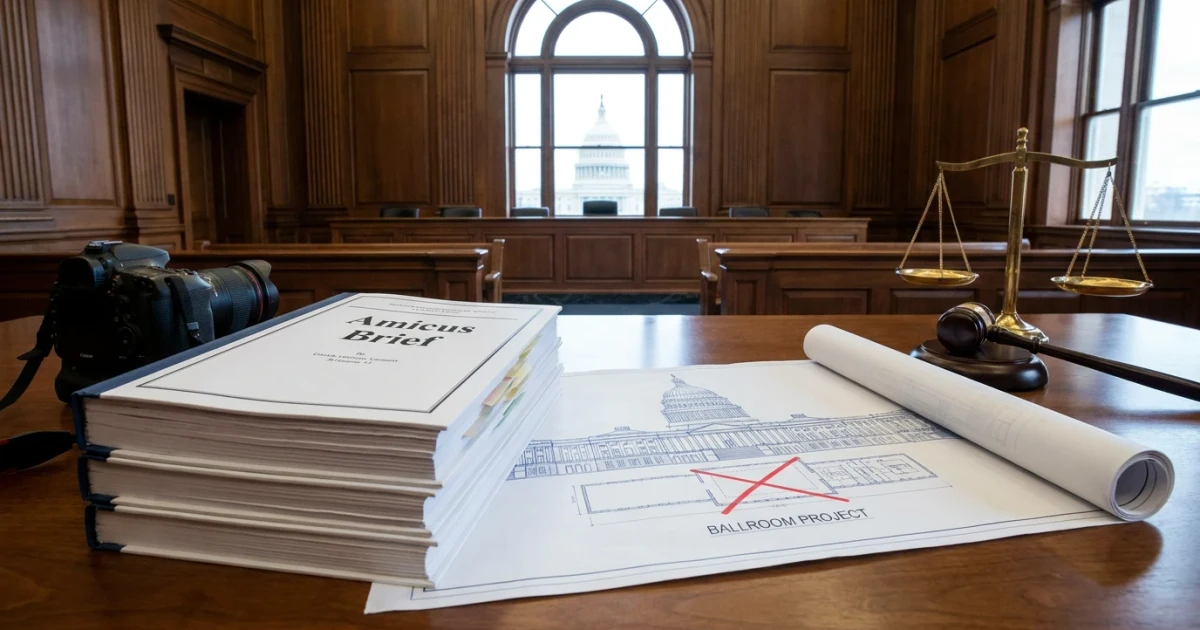
House Democrats and a prominent senator have taken formal legal action to oppose former President Donald Trump’s proposed ballroom development, filing an amicus brief in federal court to highlight what they allege are significant legal violations associated with the project.
Lawmakers Join Legal Opposition
On May 28, Ranking Members Robert Garcia and Jared Huffman of the House Oversight Committee, together with Senator Sheldon Whitehouse, filed a detailed amicus brief urging the federal courts to block what they described as Trump’s “illegal ballroom.” The move underscores growing scrutiny from federal lawmakers over post-presidency business activities by Trump, especially those viewed as potentially circumventing legal or ethical guidelines.
Understanding the Amicus Brief
An amicus brief, or "friend of the court" filing, allows parties not directly involved in a case to present legal arguments or relevant information to assist the court in its deliberations. In this case, Garcia, Huffman, and Whitehouse argue their perspective is crucial in ensuring the court considers the broader constitutional and regulatory implications of the ballroom project. The full text of their filing is available through the House Oversight Democrats' official records.
Allegations of Legal Violations
While specific details of the alleged violations were not outlined in the summary announcement, the lawmakers’ decision to file an amicus brief signals their belief that Trump’s ballroom proposal may contravene federal laws or regulations governing property development, ethics, or former officials’ conduct. Such filings are typically used to highlight statutory or constitutional issues that may impact a case’s outcome, especially when they involve high-profile figures like former presidents.
- Garcia, Huffman, and Whitehouse have a history of involvement in oversight and ethics matters related to federal officials.
- Amicus briefs from members of Congress are rare, especially in cases involving former heads of state, and are catalogued in the official congressional amicus brief repository.
- The case’s docket, filings, and procedural status can be tracked through federal court records, such as those found on GovInfo and CourtListener.
Context: Trump’s Business Activities Under Scrutiny
This legal move adds to ongoing oversight of Trump’s business dealings since leaving office. The House Oversight Committee and allied lawmakers have frequently raised concerns about potential conflicts of interest and compliance with federal statutes. The amicus brief represents a new front in these efforts, as it seeks direct judicial intervention to block a specific development project.
What’s Next?
The court will determine what weight to give the lawmakers' arguments as it considers the legality of the ballroom proposal. If the court finds merit in the brief's claims, it could result in delays, modifications, or a halt to the project. The case continues to be closely watched in Washington and beyond, with official filings and updates accessible through federal court databases and the Department of Justice’s summaries of cases involving former President Trump.
As developments unfold, the involvement of senior lawmakers signals continued congressional oversight of post-presidency conduct and a willingness to intervene in court proceedings where they believe the public interest or the law is at stake.