Politics
Lawmakers Gain Access to Unredacted Epstein Files
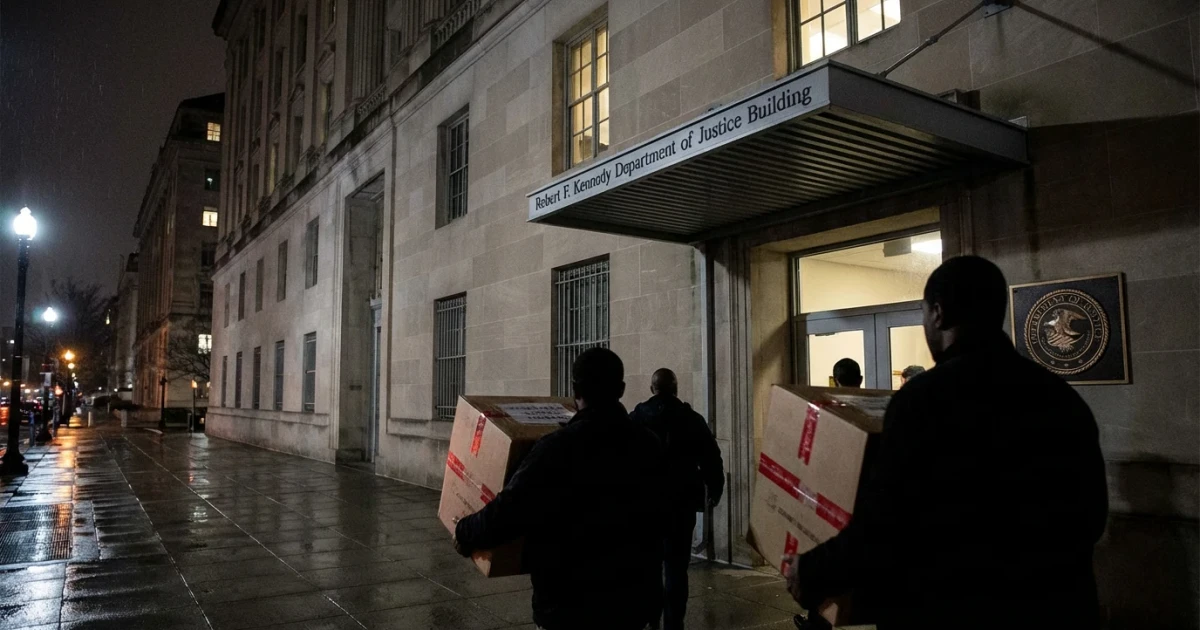
Members of Congress have started reviewing unredacted files related to the Jeffrey Epstein case at the U.S. Department of Justice, marking a significant moment in ongoing oversight efforts surrounding the high-profile investigation. The move, first reported by NBC News, follows sustained calls for transparency from lawmakers and the public regarding the handling of Epstein's prosecution, detention, and subsequent death.
Increased Congressional Oversight
The review process allows select members of Congress to examine previously unreleased materials, including investigative documents, communications, and procedural records. These files, which remain unavailable to the general public, are seen as critical for understanding the breadth and shortcomings of the federal response to Jeffrey Epstein's criminal activities. The Justice Department has faced scrutiny since Epstein's 2019 death in federal custody, with multiple agencies—such as the DOJ Office of Inspector General—conducting investigations into apparent lapses in protocol and supervision. The Inspector General's official report details procedural failures and gaps in the oversight of Epstein's incarceration, which have fueled ongoing public and legislative concern.
Why the Unredacted Files Matter
Epstein's case has drawn intense interest due to his connections with high-profile individuals and the broader context of human trafficking investigations. Lawmakers reviewing unredacted files could gain new insights into:
- The scope of Epstein's alleged criminal network
- Details of plea agreements, immunity deals, and prosecutorial decisions
- Communications among federal agencies and with outside parties
- Security protocols and lapses at the Metropolitan Correctional Center
The files may also clarify the timeline and content of official actions, as documented in the federal court docket and tracked in comprehensive case timelines.
Impact on Victims and Future Proceedings
The availability of unredacted materials to Congress also has implications for Epstein's victims and their advocates. The DOJ Victim Notification Program continues to provide updates and information to those affected by Epstein's actions. Additional transparency could influence pending civil litigation, inform the allocation of compensation funds, and guide legislative reforms intended to prevent similar failures in high-profile federal custody cases.
What Happens Next?
As members of Congress continue their review, the possibility remains that findings from the unredacted files could lead to new hearings, legislative proposals, or public releases of previously withheld information. However, the Justice Department has not indicated if or when more details will be made available to the public, citing the sensitive nature of ongoing investigations and privacy concerns.
The decision to grant congressional access to these unredacted files underscores ongoing efforts to ensure accountability and transparency in the handling of complex criminal cases. Observers will be watching closely to see whether this development yields substantive changes or revelations in the ongoing examination of the Epstein case and federal oversight mechanisms.