Politics
Lawmakers move to block NSF plan to dismantle ocean sensor network
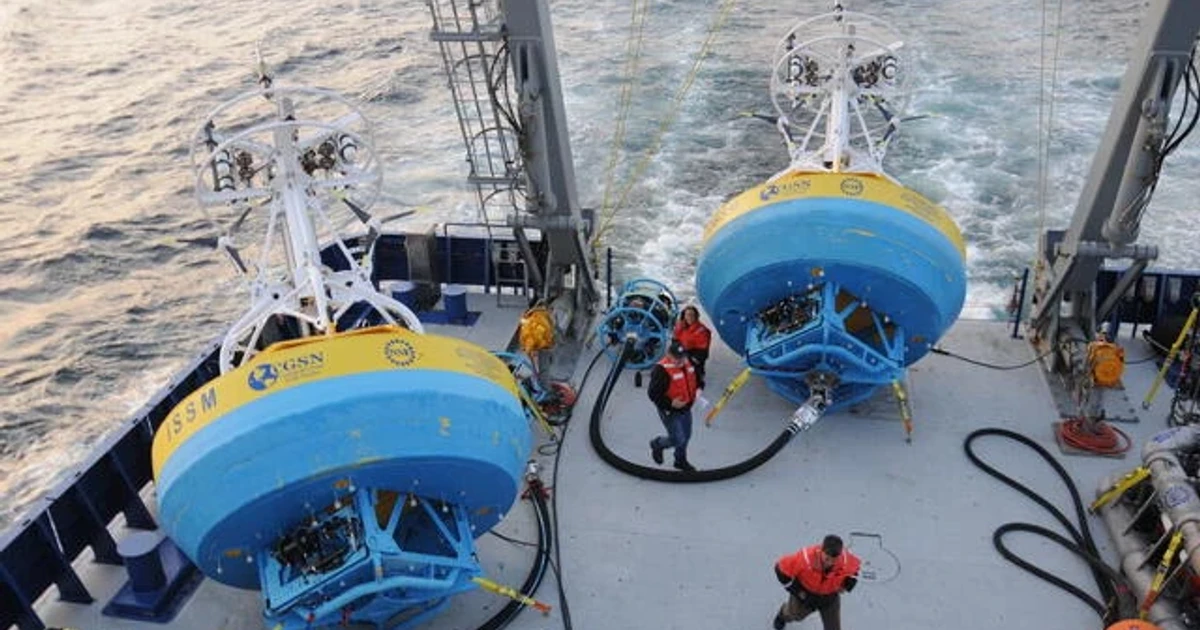
Coastal communities stand to lose more than a research project if the National Science Foundation tears down the Ocean Observatories Initiative. The $386 million sensor network feeds real-time ocean data into storm forecasting, fisheries management, tsunami monitoring and climate research, and lawmakers now say the agency’s plan would wipe out a national asset that has taken a decade to build.
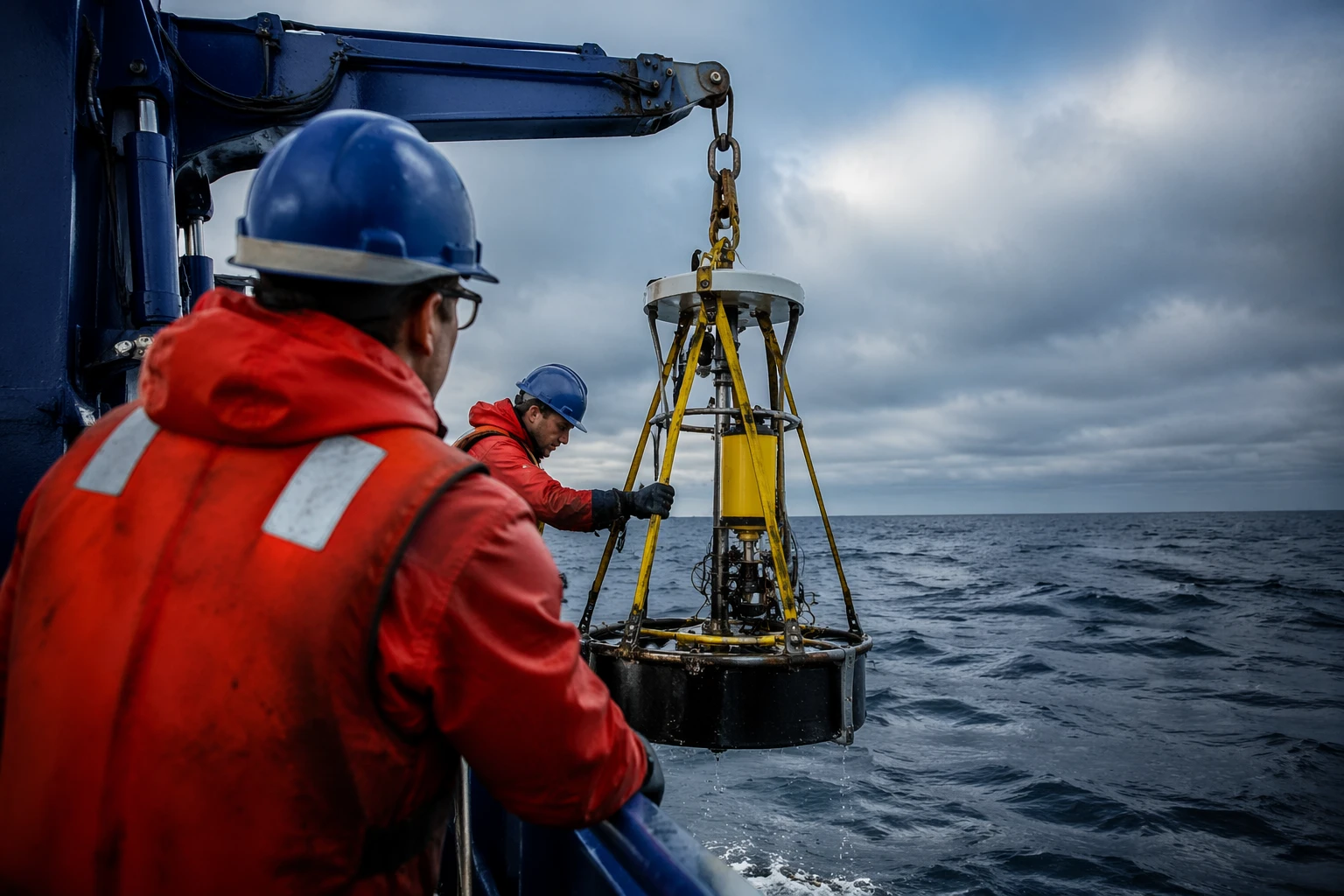
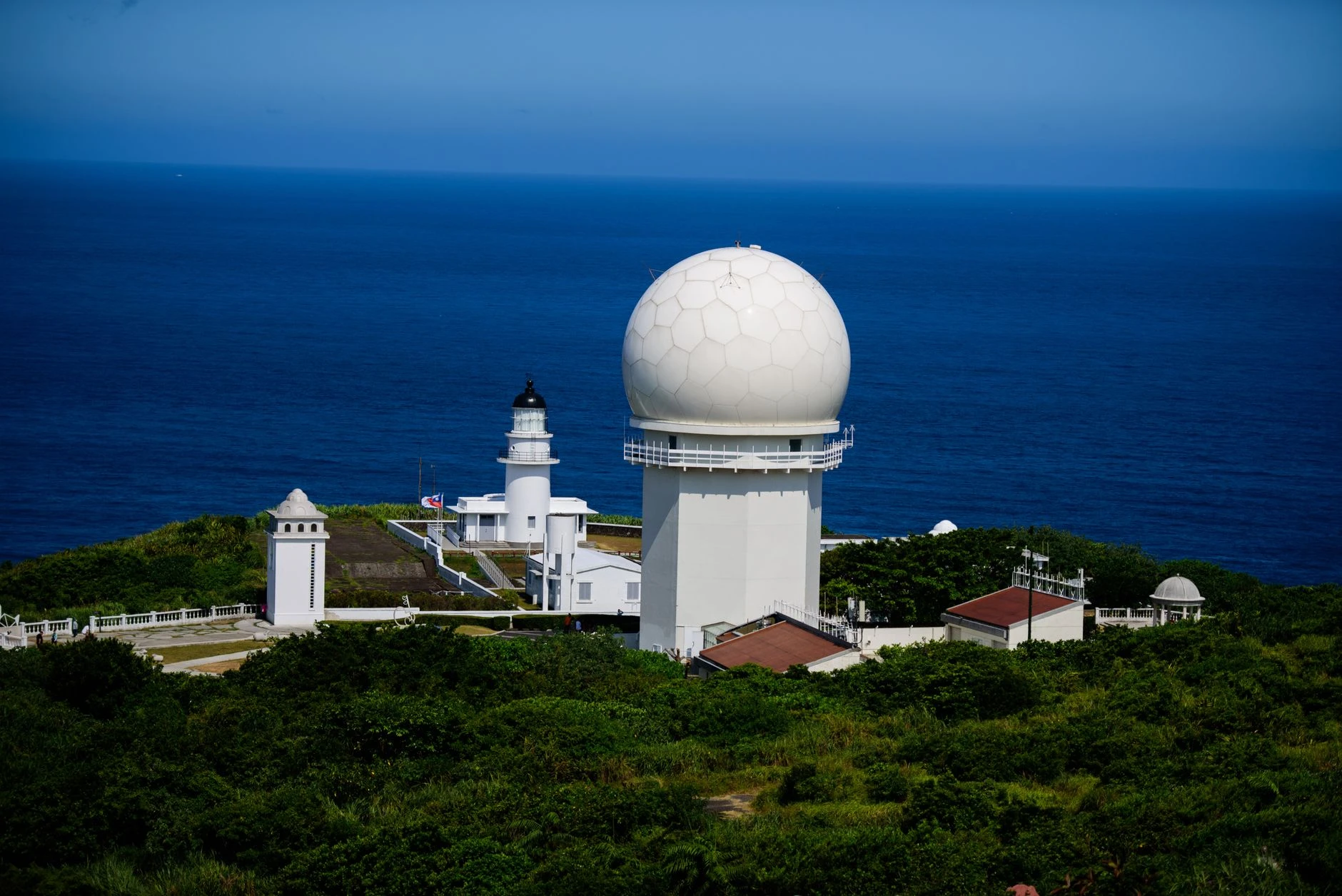
The fight centers on a May 21, 2026 descoping plan that would remove four of the project’s five operating arrays, with in-water infrastructure pulled from the Endurance, Pioneer, Irminger Sea and Station Papa sites over roughly 15 months. Final recovery work at the Endurance Array is scheduled for June 2026. The network stretches across waters off Oregon, Washington, Alaska, North Carolina and Greenland, and researchers say the agency moved without warning or scientific review.
That has triggered an unusual bipartisan response in Washington, D.C. Senators Jeff Merkley of Oregon and Lisa Murkowski led a Senate push asking NSF to halt the dismantling plan, while Democratic senators Ron Wyden, Patty Murray, Maria Cantwell, Sheldon Whitehouse, Chris Van Hollen, Edward Markey and Elizabeth Warren joined the effort. On the House side, Democrats on the Science, Space, and Technology Committee and the Natural Resources Committee warned the agency it was overreaching and said the move could be illegal. Merkley called the decision “supreme stupidity.”
At stake is a system that OOI says includes five arrays, 80 platforms, more than 900 instruments, and roughly 1.75 gigabytes of data every second. The network has generated more than 200 billion rows of data and supported 503 peer-reviewed journal articles, giving scientists one of the most detailed public records of ocean conditions anywhere in the world. Woods Hole Oceanographic Institution and university partners such as the University of Washington and Oregon State University have relied on the stream to study circulation, marine ecosystems and extreme weather.
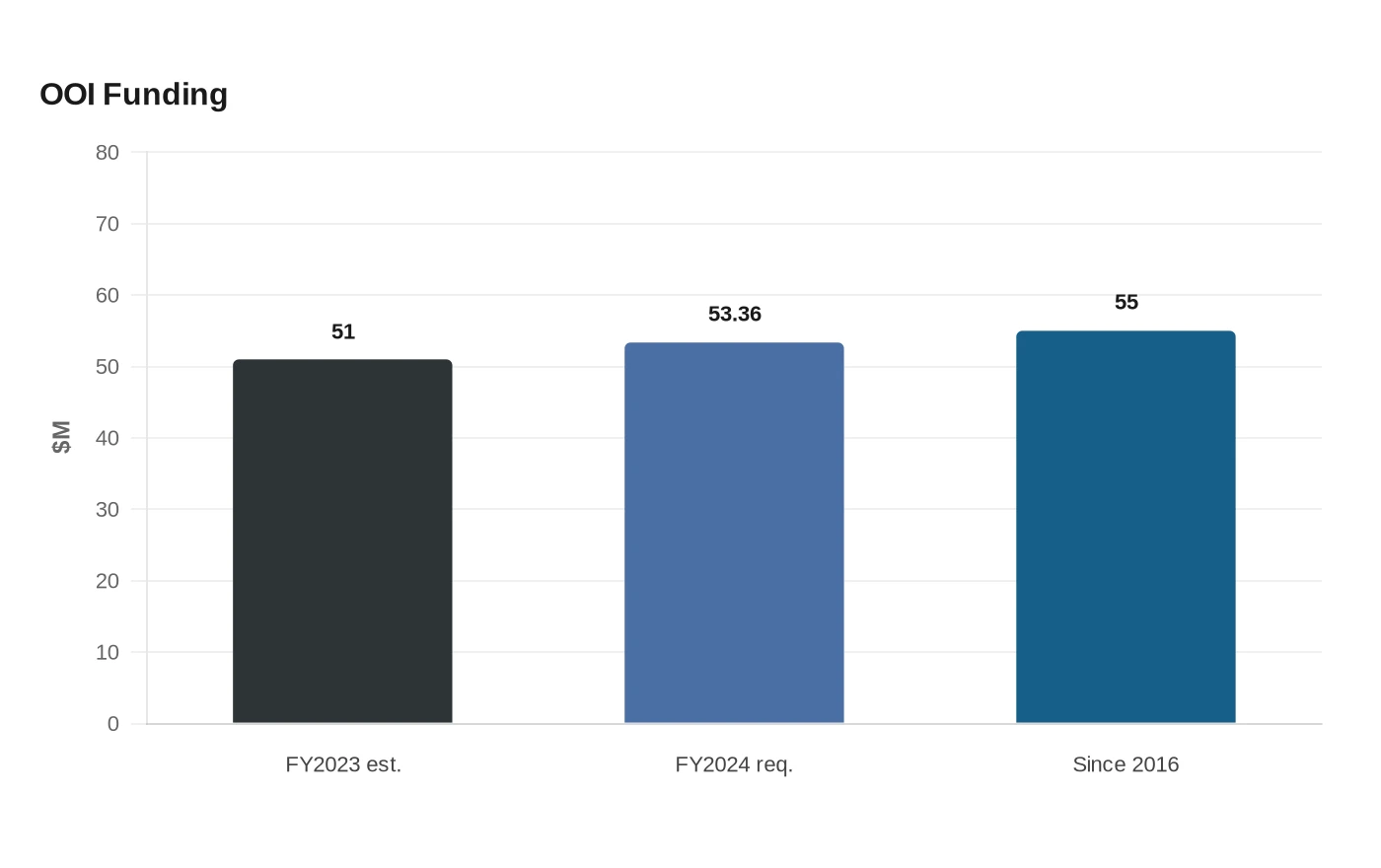
The money argument is also under scrutiny. NSF’s FY2024 request for OOI was $53.36 million, up from a $51 million FY2023 estimate base, while the project has been funded at about $55 million a year since construction was completed in 2016. The National Academies’ 2025-2035 Decade of Ocean Science report recommended continued operation of the OOI components needed to answer its science questions, paired with a revisioning and restructuring exercise, and warned that removing deep-sea infrastructure could leave the United States without data needed to understand El Niño and threats to coastal communities.
Scientists say the question is not whether to trim waste, but whether dismantling a functioning observing system saves money or squanders the long-term records that make the network valuable. With ocean conditions becoming more central to disaster preparation and coastal planning, the loss of those instruments would be felt far beyond the lab.