Politics
Lawmakers push to shrink the post-9/11 intelligence chief’s office
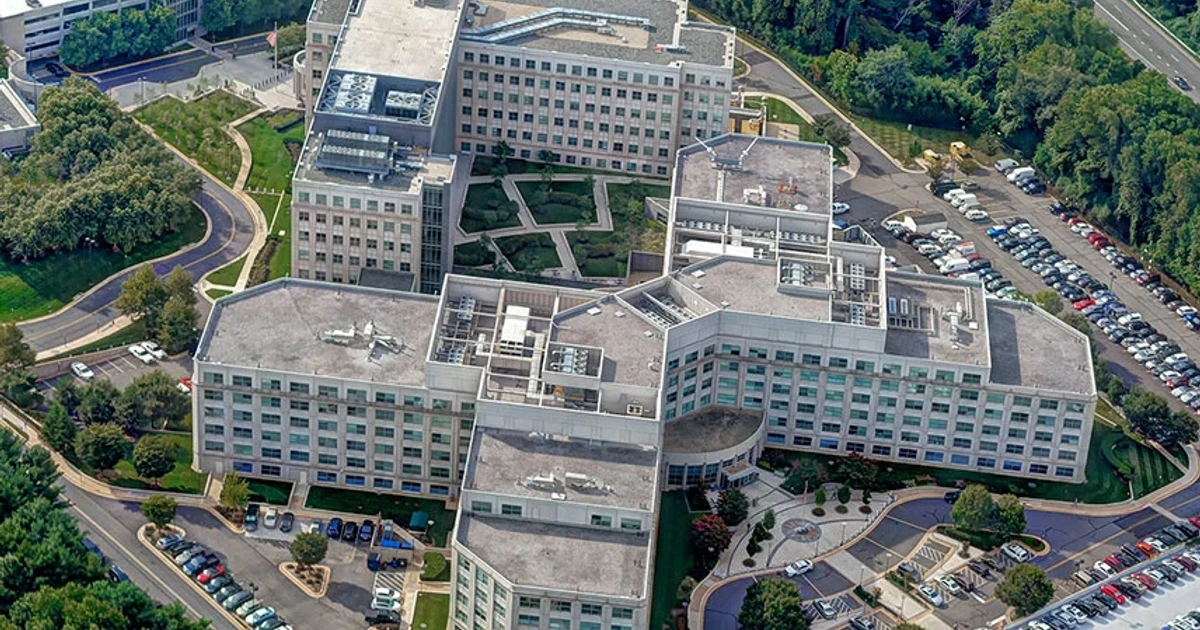
The office created to prevent another intelligence breakdown like Sept. 11 is now being judged as a bureaucracy some lawmakers want to shrink. The Office of the Director of National Intelligence was built to coordinate the U.S. Intelligence Community, a coalition of 18 organizations, but the debate in Washington has shifted to whether that central role still justifies the layers of management around it.
The post was born out of the failures exposed by the Sept. 11 attacks on the United States homeland. The 9/11 Commission’s July 2004 report called for a national intelligence director, and Congress later codified the structure in the Intelligence Reform and Terrorism Prevention Act of 2004. ODNI was meant to integrate intelligence, coordinate oversight and provide timely, accurate information to the president and other policymakers, while also helping prevent agencies from working in silos.
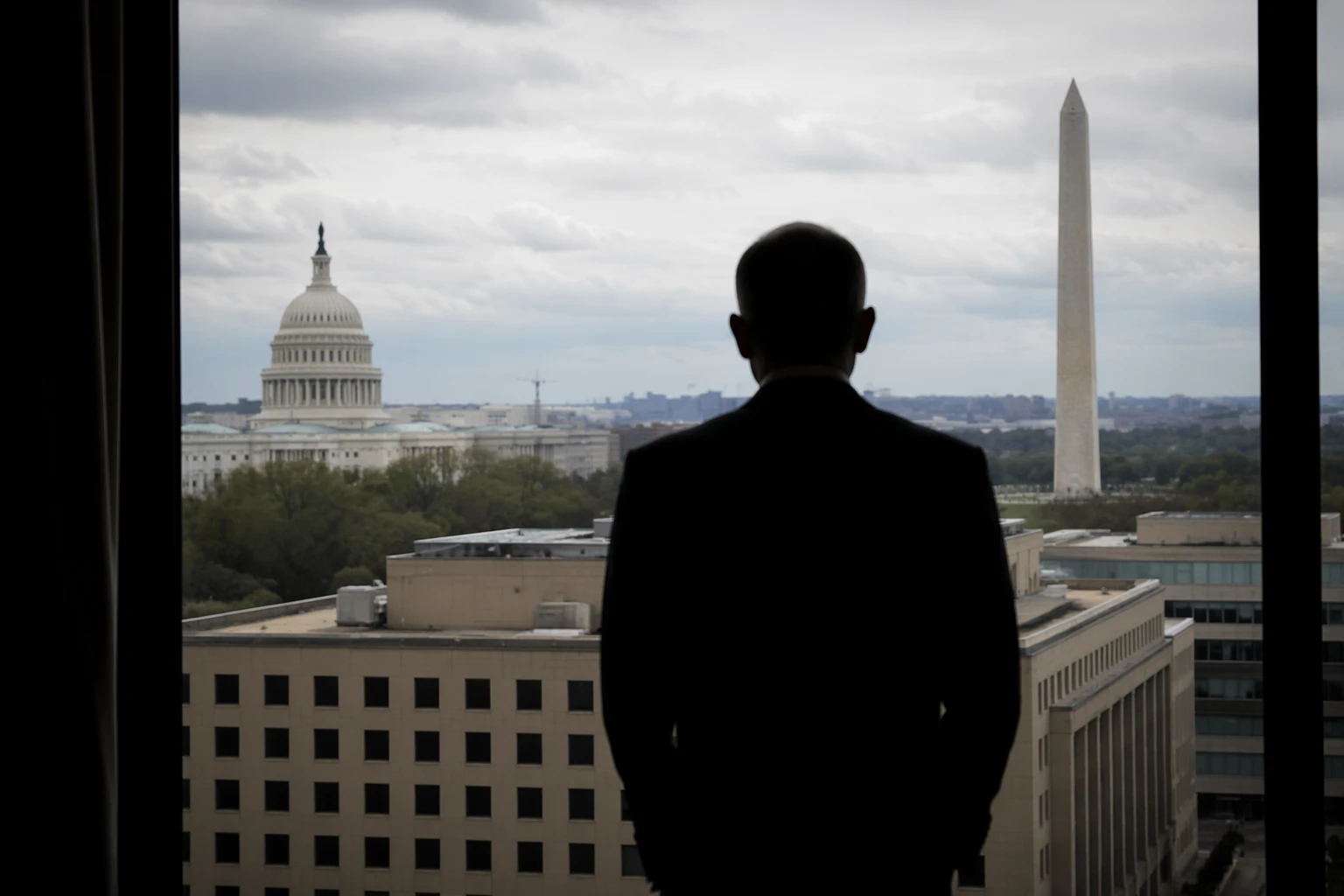
Sen. Tom Cotton, the Senate Intelligence Committee chairman, reopened the fight on June 27, 2025, when he introduced the Intelligence Community Efficiency and Effectiveness Act of 2025 with Sens. Jim Risch, Mike Rounds, Ted Budd and James Lankford. The bill would cap ODNI full-time staff at 650 and, in Cotton’s telling, return the office to its “original size, scope, and mission.” The legislation reflects a broader Republican critique that the office has accumulated duplicative functions and inefficient bureaucracy far from the reforms it was designed to deliver.
Tulsi Gabbard went further in August 2025, announcing a plan to cut ODNI’s workforce by more than 40% and reduce its annual budget by more than $700 million. Her office said the move would streamline the agency and force it back to core intelligence work. The cuts are especially notable because ODNI also oversees the National Counterterrorism Center, which Congress established in August 2004 as part of the same post-9/11 overhaul.
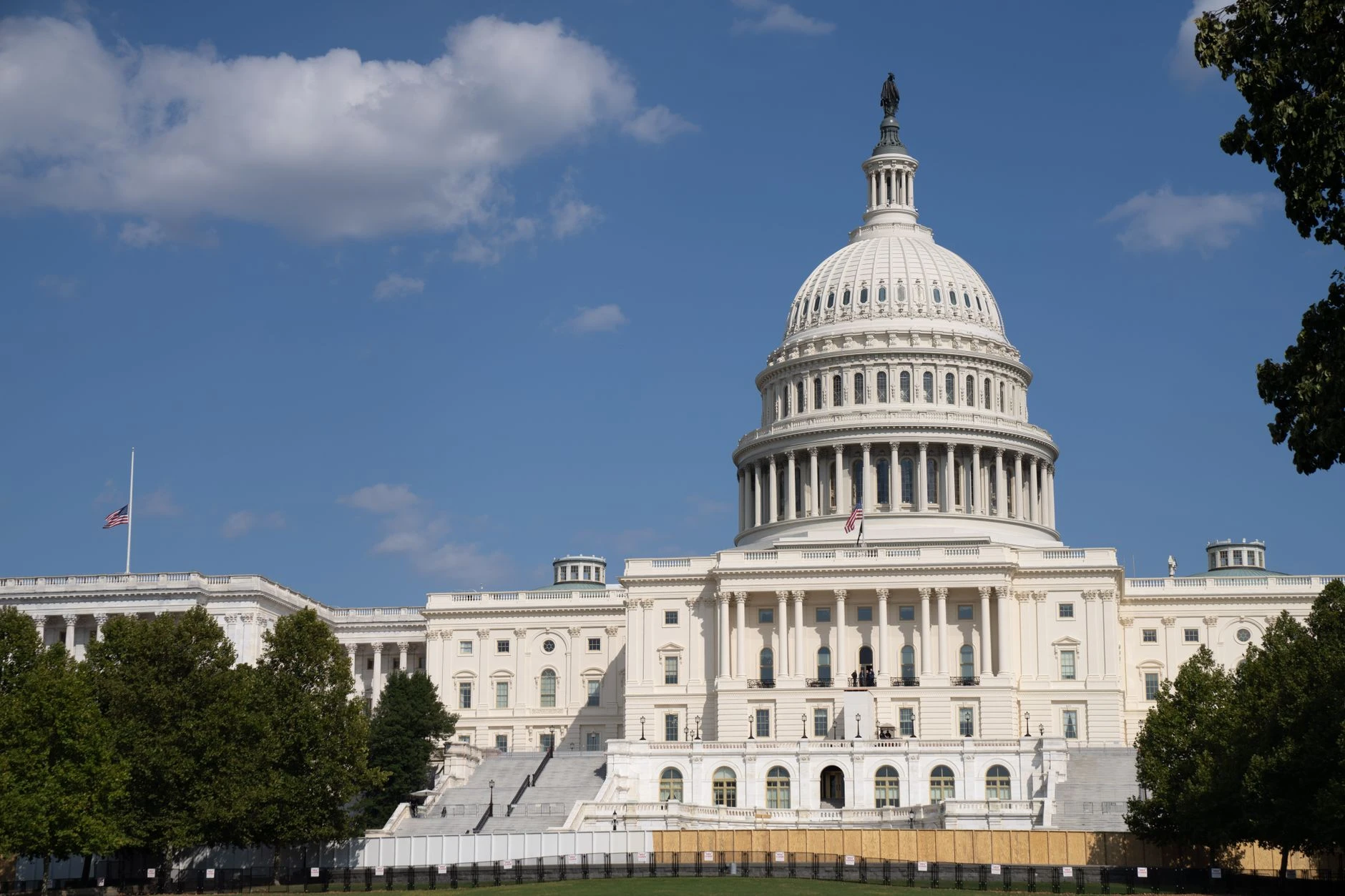
The structural argument matters because ODNI was created to solve a specific problem: fragmented intelligence and weak coordination across agencies. Supporters say that central oversight still matters in an 18-agency system, especially when the office produces the annual threat assessment that informs the president, Cabinet officials, policymakers and service members. Critics counter that the same coordination function can blur responsibility, duplicate work and dilute accountability.
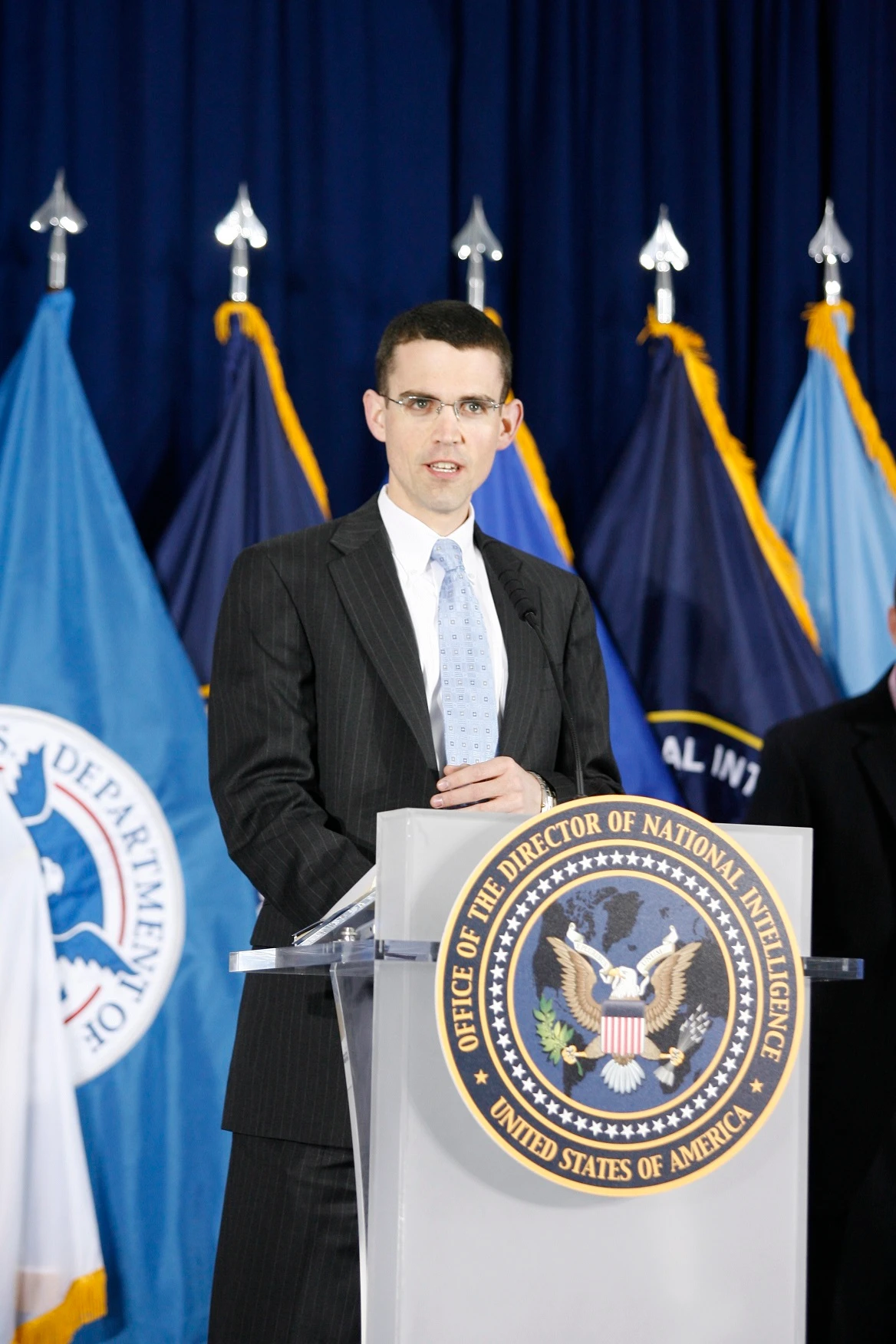
ODNI released its 2026 Annual Threat Assessment on March 18, underscoring that the office still sees itself as the hub for intelligence integration. But with Donald Trump’s current intelligence pick renewing scrutiny of the post, the deeper question is whether the office remains a safeguard against another failure, or has become the extra layer of government its own creators meant to avoid.
Sources
- [1]nytimes.com
- [2]dni.gov
- [3]cotton.senate.gov
- [4]govinfo.gov