World
Lawmakers question rising cost of U.S. strikes on Iran
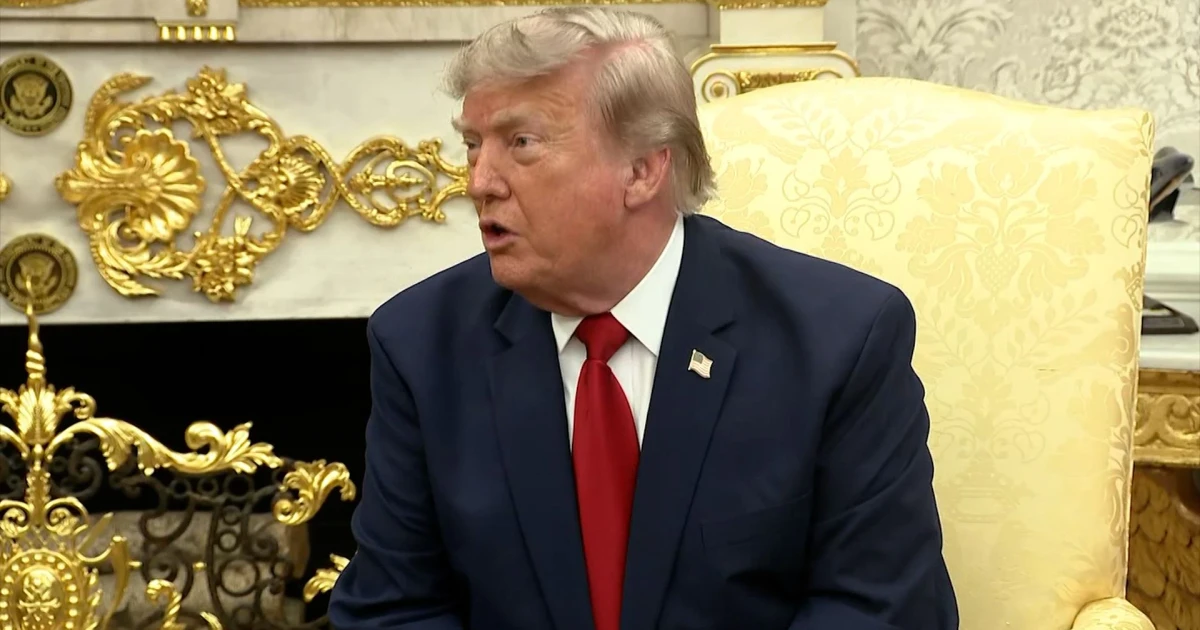
Lawmakers pressed the Pentagon on the cost of the war as the United States kept up airstrikes on Iran for a fourth consecutive day and President Donald Trump backed away from a plan to charge vessels passing through the Strait of Hormuz. The reversal sharpened a new constraint on U.S. strategy: the military campaign was intensifying even as the White House tried to avoid measures that could deepen market shock and further choke off traffic in a vital global waterway.
The Strait of Hormuz is one of the world’s most important shipping chokepoints, carrying a large share of global oil and natural gas flows between the Persian Gulf and open water. U.S. and Iranian officials had been negotiating over maritime traffic in the strait, but the passage had already been badly disrupted, with oil and other goods prices rising as ships slowed or avoided the route. The White House also sought help from allies to keep vessels moving through the channel.
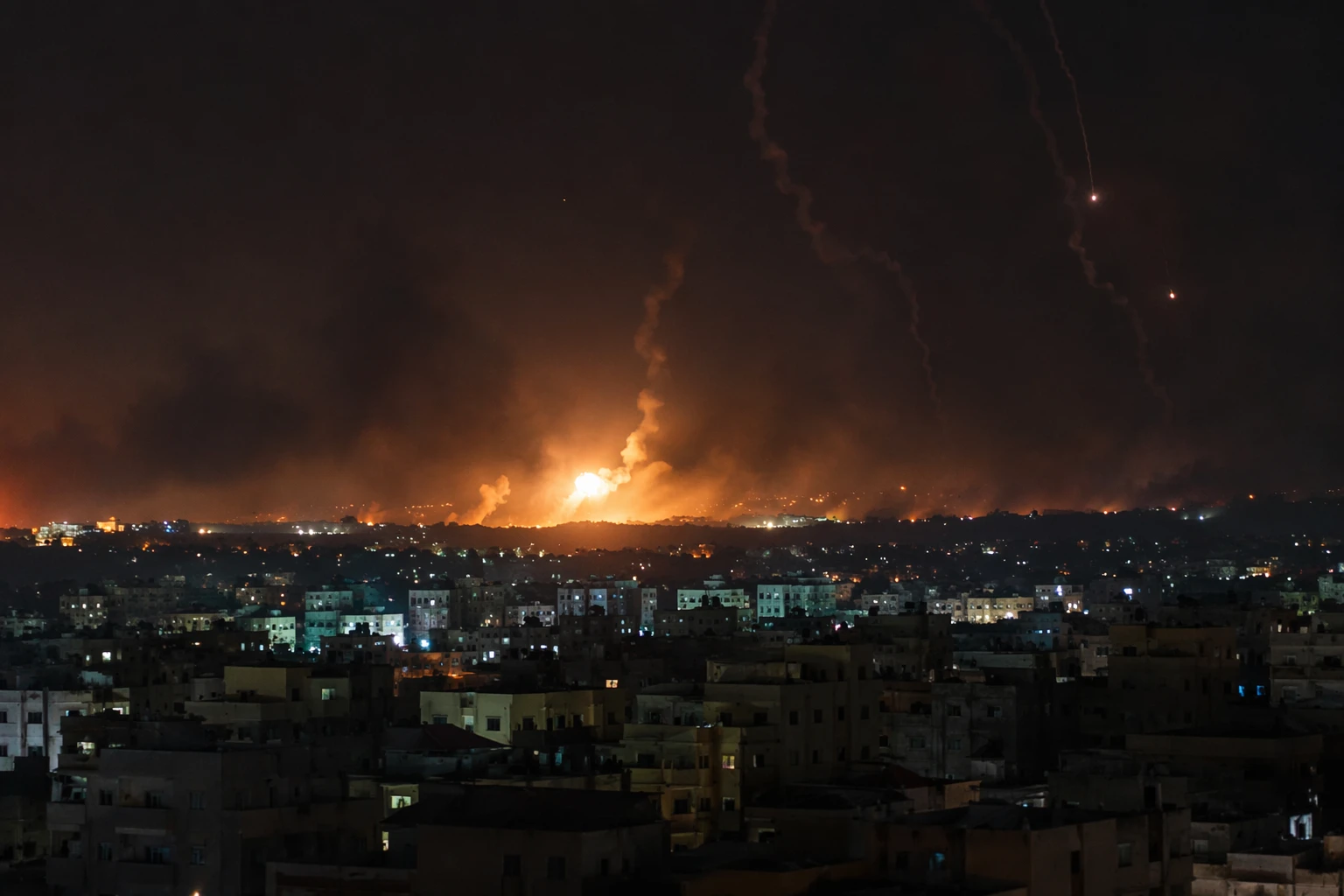
On June 14 and 15, the United States and Iran announced a framework deal to end fighting and reopen the strait, but the ceasefire quickly looked fragile. U.S. Central Command later said it launched additional strikes against Iran after an attack on a vessel transiting the strait, underscoring how quickly the confrontation could spread from the battlefield to commercial shipping lanes.
Trump had floated a 20% fee on ships passing through the Strait of Hormuz, a proposal that analysts said would be difficult to enforce and legally questionable. Shipping executives warned it could further reduce already dwindling traffic through the waterway and add another layer of uncertainty to a route that already carries enormous energy and trade stakes. On July 14, 2026, Trump abandoned the fee and said the United States would instead pursue trade and investment deals with Gulf states.

The dispute on Capitol Hill centered on more than immediate operations. Lawmakers questioned the Pentagon over the mounting price tag of the war, reflecting broader concern about transparency and how quickly costs could escalate. Earlier exchanges had already turned heated over whether the conflict could run into tens of billions of dollars, or far more over time, as military pressure, shipping disruption and regional retaliation continued to feed one another.
Sources
- [1]nbcnews.com
- [2]stripes.com
- [3]reuters.com
- [4]cnbc.com
- [5]aljazeera.com