Politics
Lawmakers Reach Deal Amid Growing TSA Disruptions
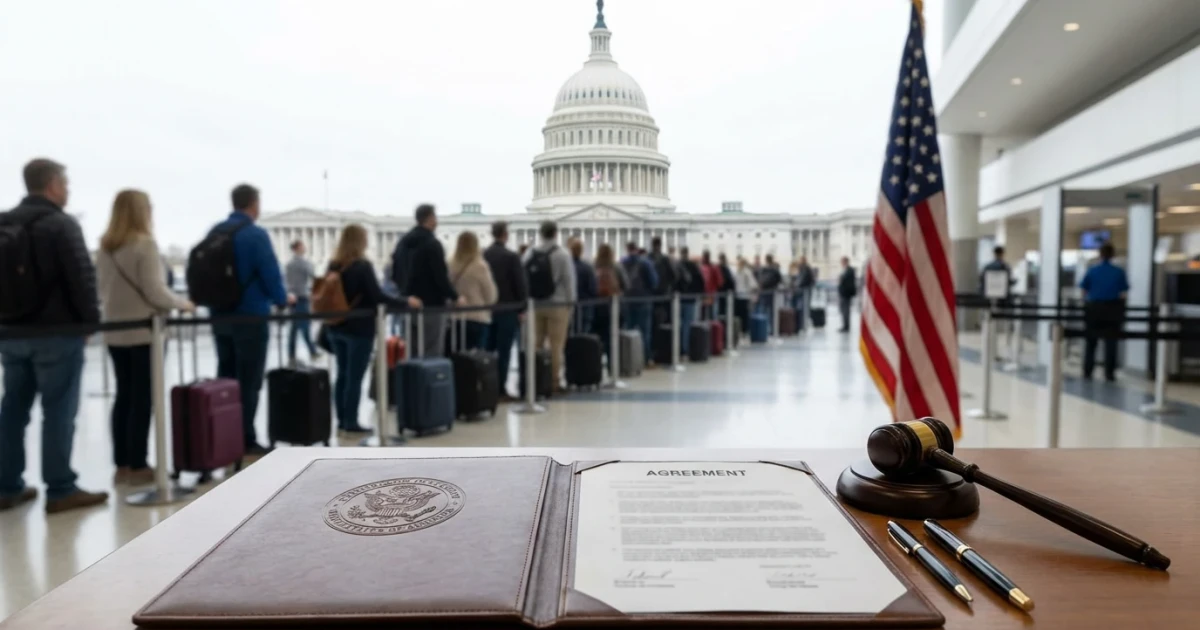
Congressional leaders have reached a tentative deal to resolve the ongoing Department of Homeland Security (DHS) budget standoff, following mounting disruptions at Transportation Security Administration (TSA) checkpoints across U.S. airports. The breakthrough comes as air travelers face increasing delays and uncertainty tied to lapses in federal funding.
TSA Disruptions Intensify as Budget Talks Drag On
In recent weeks, TSA operations have experienced significant slowdowns, with reports of longer wait times and staff shortages at major airports. According to official TSA travel throughput data, passenger screening volumes remain high, but staffing constraints have led to bottlenecks at security checkpoints. Past government shutdowns have shown that TSA employee furloughs can ripple through the air travel system, affecting both schedules and security.
- Major airports have reported wait times exceeding 45 minutes at peak hours.
- Some passengers faced missed or delayed flights due to extended security lines.
- Reports indicate that TSA agents have been working without pay, heightening concerns over morale and staffing.
Deal Emerges to Restore DHS Funding
The breakthrough agreement, as reported by WJBF, aims to restore funding for the Department of Homeland Security, including TSA, Customs and Border Protection, and other critical agencies. While full details of the deal are forthcoming, both parties signaled a commitment to averting further disruptions and ensuring continuity of essential security operations.
According to the latest legislative records for H.R.4367, the appropriations bill at the center of the standoff had been stalled amid disagreements over spending priorities and policy riders. The new compromise is expected to fund DHS through the remainder of the fiscal year, subject to final votes in the House and Senate.
Impact on Travelers and Security
For millions of Americans, the standoff's most visible consequence has been at airport security lines. Industry experts warn that prolonged funding lapses can erode both the efficiency and effectiveness of aviation security. Data from the Government Accountability Office’s annual DHS risk assessment highlights the challenges facing the agency, including staffing, technology upgrades, and the management of emerging threats.
- Travelers have been urged to arrive at airports earlier than usual due to unpredictable wait times.
- Business groups and airlines have called on Congress to provide stable funding for TSA and other security programs.
- Security analysts note that workforce stress and uncertainty can heighten operational risks.
What Comes Next
With the deal emerging, attention now turns to the legislative process and the implementation of appropriations that will allow DHS operations to return to normal. Lawmakers from both parties have stressed the importance of keeping homeland security agencies funded and functional, especially as travel volumes remain strong and evolving threats persist.
As the final votes approach, travelers can expect gradual improvements at TSA checkpoints, though some delays may persist as agencies ramp staffing back up. The episode underscores the broader stakes of federal budget standoffs—beyond Washington politics, real-world impacts are felt by workers, travelers, and the broader economy.
For ongoing updates, readers can monitor TSA statistics and legislative actions as the DHS funding bill moves forward.