Sports
Lawrence and Boston welcome World Cup fans ahead of 2026 tournament
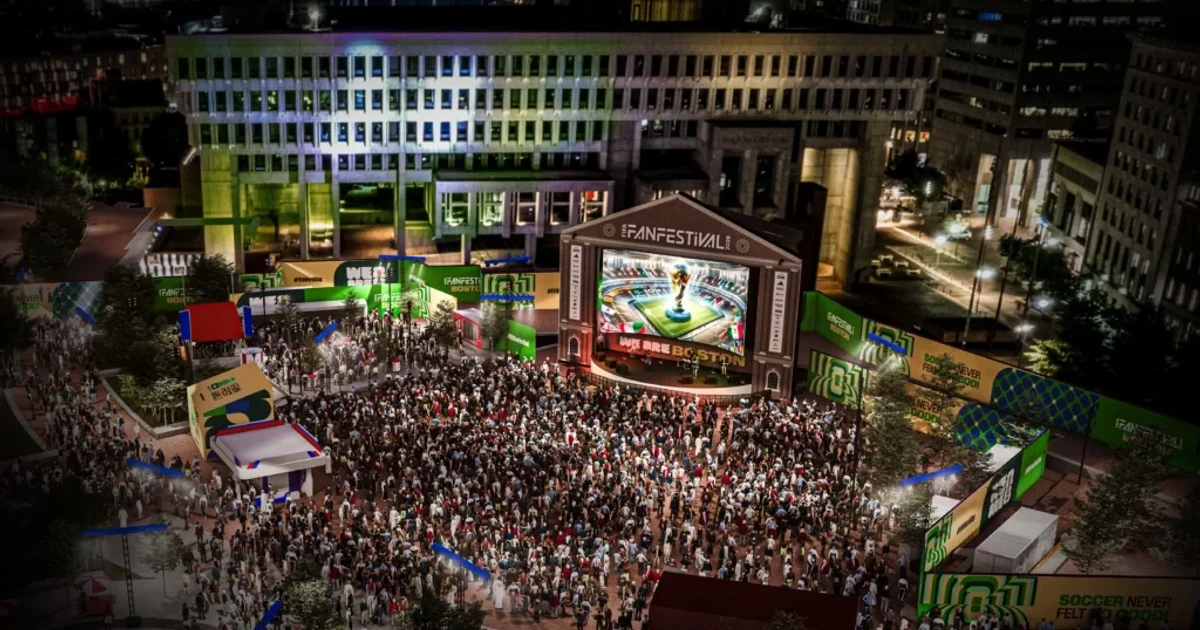
America’s next World Cup test is already underway in places far from the stadium spotlight. In Boston and Lawrence, the tournament is pushing city halls, local businesses, and soccer communities to prove they can handle the movement of visiting fans, national teams, and international attention without losing their footing.
The stakes go beyond matches. The 2026 FIFA World Cup, co-hosted by the United States, Canada, and Mexico, is also a measure of whether American communities can welcome the world and keep the benefits after the last whistle. Boston has secured its place among the U.S. host cities, while Kansas has emerged as a focal point for visiting teams and fans near Kansas City.
Boston’s bid turned into a readiness campaign
Boston’s place in the tournament did not happen by accident. On July 28, 2020, Boston’s 2026 Bid Host Committee met virtually with FIFA and U.S. Soccer to present its shared vision for the city’s role in the tournament. The city was then being discussed as one of the final 10 United States destination cities under consideration for the 2026 World Cup.
That early pitch matters because host-city preparation is about more than a match calendar. Boston’s soccer leaders have framed the event as a chance to show that the region can handle the demands of a global event, from transit and hospitality to public-facing civic coordination. Meet Boston has amplified that message by promoting the city as ready to welcome FIFA World Cup 26TM, describing it as the world’s biggest single sporting event.
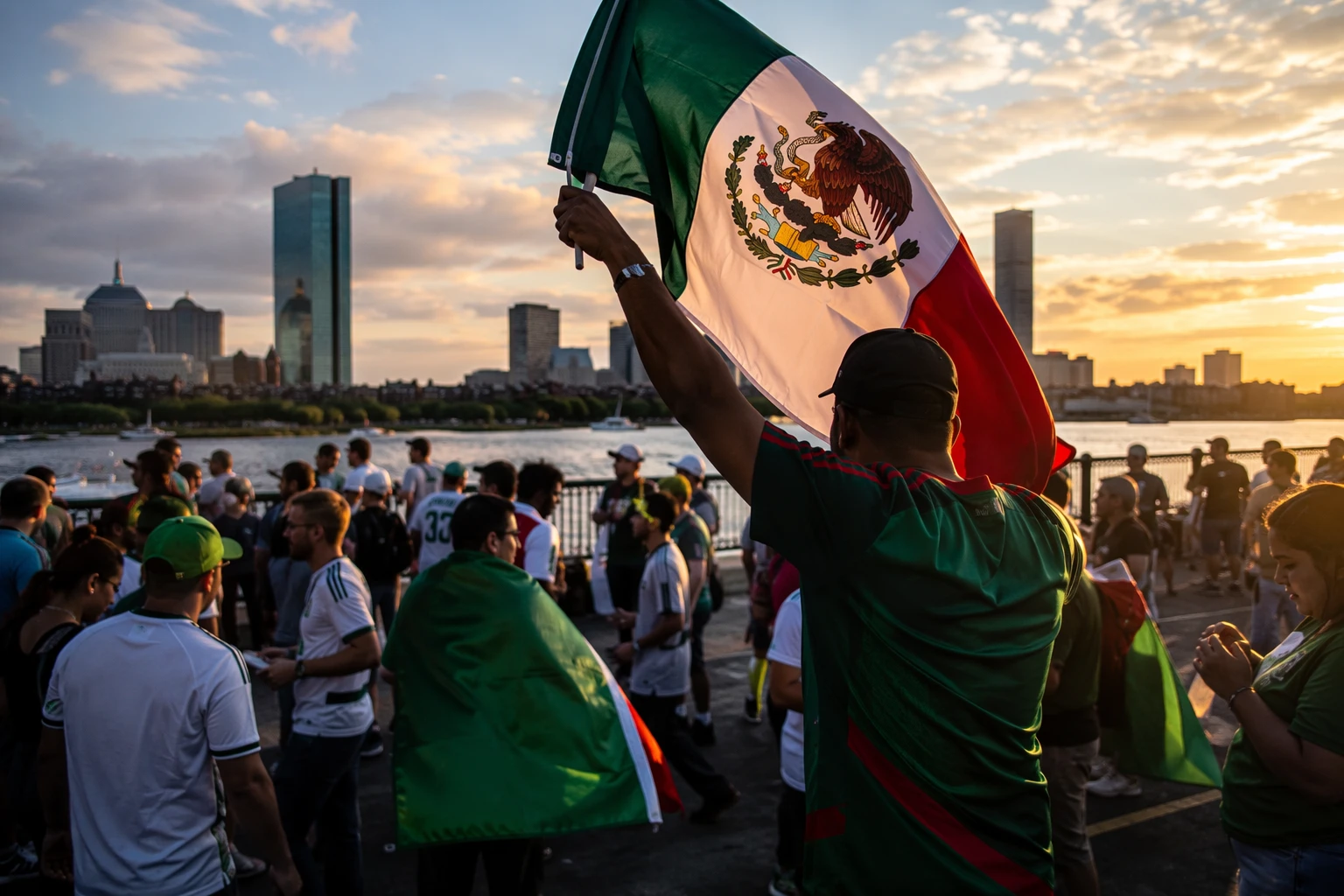
Boston’s role also carries institutional weight because the city already sits within a dense sports and tourism ecosystem. With Foxborough, Massachusetts, in the broader regional sports conversation and the New England Revolution part of the area’s soccer identity, the World Cup opens a new layer of visibility for a market that already knows how to mobilize around major events. The difference is scale: international visitors will judge not just the stadium experience, but the full civic welcome.
Lawrence is becoming part of the tournament map
Lawrence’s involvement shows how World Cup hosting spills beyond official host cities. Local coverage says Rock Chalk Park in Lawrence was being prepared to serve as Team Algeria’s training headquarters, a detail that turns a college-town sports complex into a temporary international base. The soccer pitch there was being mowed with that role in mind, making the preparation visible, physical, and immediate.
Nearby Columbia has been included in the same wave of preparation for World Cup visitors near Kansas City. That broader regional response matters because the tournament’s footprint is not limited to the match venue itself. Hotels, roadways, restaurants, practice facilities, and neighborhood streets all become part of the visitor experience, and the burden of hospitality falls on communities that may never host a game but will still carry the event’s pressure.
Coverage from KCUR, the Kansas City Star, KSHB, and KMBC has captured the shift in local mood, moving from early skepticism to a more practical enthusiasm. Questions from Lawrence residents about what the World Cup would mean for traffic, crowds, and daily life have increasingly been paired with the recognition that these visitors can become part of the region’s economic and cultural rhythm.
The 1994 World Cup is still the reference point
Any American World Cup story still starts with 1994. U.S. Soccer describes that tournament, the 15th FIFA World Cup, as one of the most successful sporting events in the world. It was played in nine venues across the United States and set records that remain untouched: total attendance of 3,587,538 and average attendance per match of 68,991.
Those numbers matter because they give the 2026 buildup a concrete benchmark. The record crowds from 1994 show that the United States can draw massive audiences, but U.S. Soccer also frames that event as significant for reasons that cannot be measured only in ticket sales. The federation says the tournament helped shape soccer’s growth in the United States, turning the World Cup into a national catalyst rather than a one-off spectacle.
That history is especially relevant now because the 2026 tournament is being staged in a country that has had three decades to expand its soccer infrastructure, fan base, and institutional experience. Yet the underlying test remains the same: can American host cities deliver a welcoming, efficient, and memorable experience for visitors who arrive with expectations shaped by the game’s most global stage?
What lasting change looks like on the ground
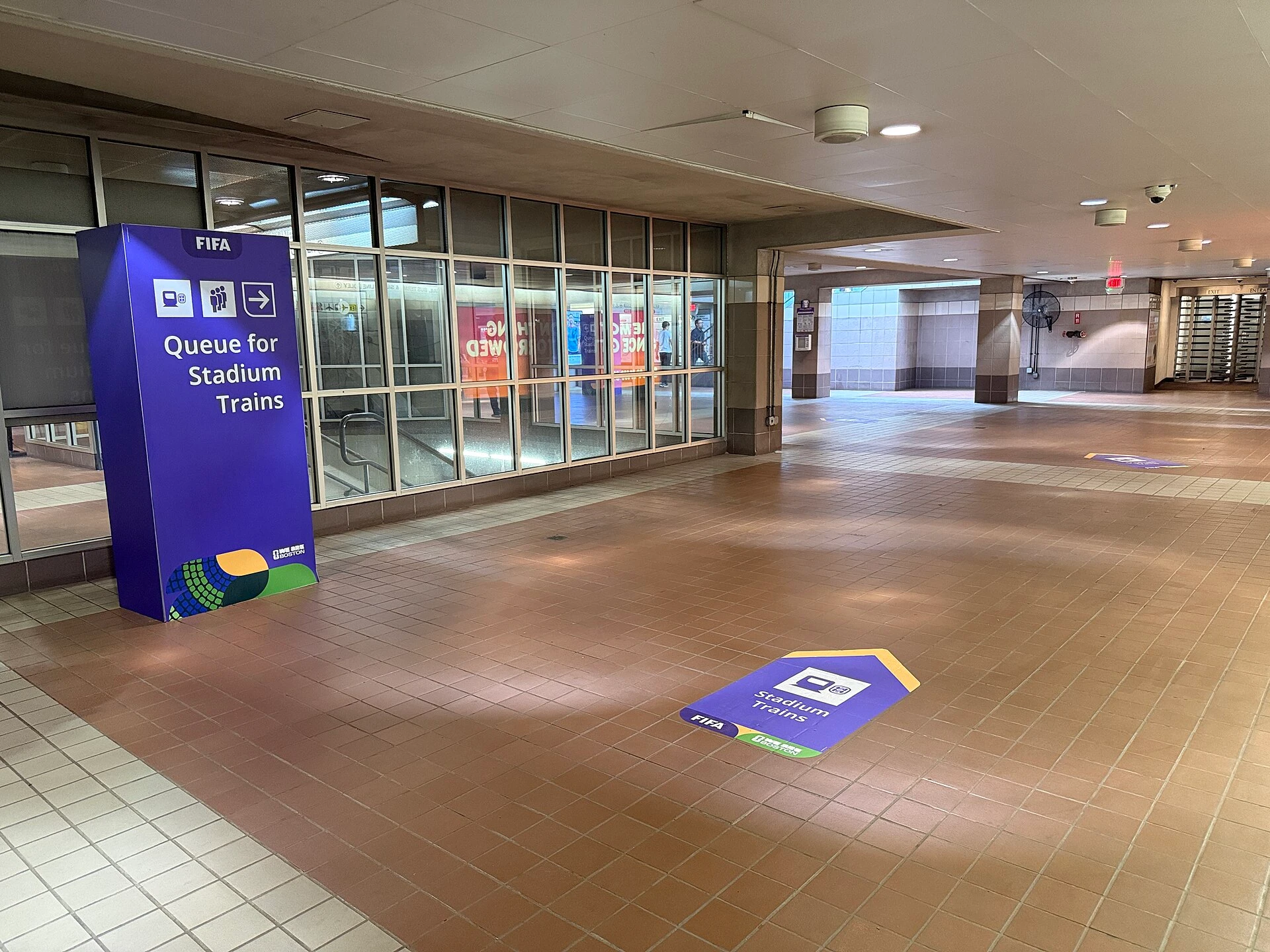
The most revealing part of the Lawrence and Boston story is not the ceremonial language around the tournament. It is the daily work that follows a bid, a host-city designation, or a training-ground assignment. In Boston, that means civic branding, regional coordination, and a citywide push to prove readiness. In Lawrence, it means maintaining a pitch for an international squad and preparing a college-town environment for people arriving from outside the region.
The changes are already visible in how people talk about the event. In both places, the World Cup is being treated less as a temporary disruption than as a stress test for local institutions. Public agencies, sports organizers, and tourism groups are being asked to show they can receive unfamiliar crowds without friction, and local residents are being pulled into a new kind of civic rehearsal.
That is why the bond forged by the tournament may last longer than the event itself. A city that learns how to host visiting fans, manage cross-cultural expectations, and coordinate around a global schedule builds habits that can carry into future events. The same is true in smaller communities like Lawrence and Columbia, where the impact of the World Cup may be felt in steadier tourism, stronger regional identity, and a more confident sense of place.
The 2026 tournament will ultimately be judged by matches and medals. But in Boston and Lawrence, its deeper legacy will be measured by whether communities can turn a one-time influx of the world into a lasting civic advantage.
Sources
- [1]nytimes.com
- [2]ussoccer.com
- [3]gillettestadium.com
- [4]meetboston.com
- [5]kmbc.com
- [6]kshb.com
- [7]kansascity.com
- [8]wbur.org