World
Le Pen and Bardella battle over France’s far-right presidential bid
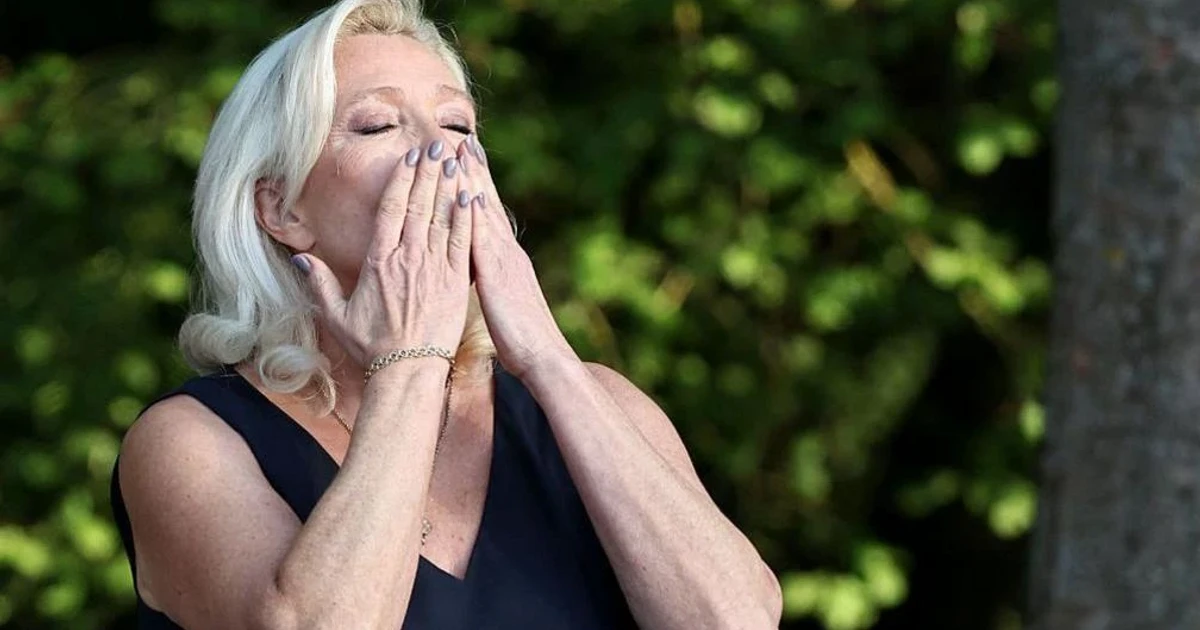
Marine Le Pen used a rally in Liévin, Pas-de-Calais, to signal that Jordan Bardella could take her place in France’s 2027 presidential race if a court keeps her off the ballot. The 57-year-old party veteran and her 30-year-old protégé appeared together on July 4, projecting unity even as the National Rally’s succession fight sharpened around a Paris appeals court ruling due July 7.
Le Pen’s legal battle remains the immediate trigger. A French court convicted her in March 2025 of embezzling European Parliament funds to pay National Rally employees and imposed a five-year ban from public office, a penalty she has appealed. The appeals court was due to decide whether to uphold the ban, reduce it enough to permit a campaign, or clear the way for Le Pen to run again in April 2027. If the ban stands, Bardella is positioned as the party’s fallback. If Le Pen returns, Bardella’s role as heir apparent becomes harder to define.
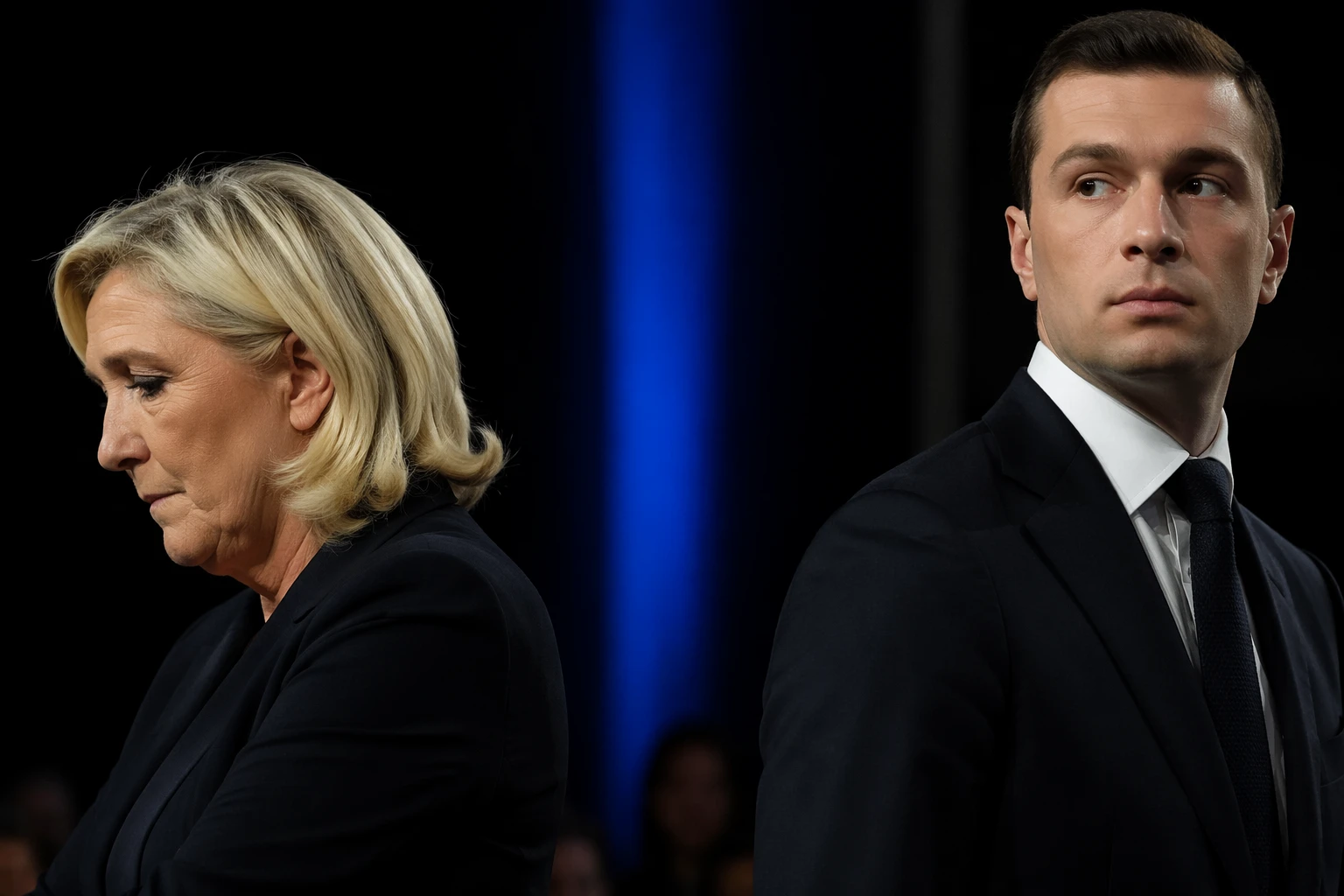
Le Pen has already said she would accept that handoff if necessary. On June 15, 2026, she said it would be “a relief” if Bardella could stand in her place. At the Liévin rally, she went further, saying she would support him with “a great deal of energy, conviction and confidence” if she cannot compete for president a fourth time. That public choreography has not erased doubts inside the movement about whether Bardella is ready to inherit a base still shaped by Le Pen’s name and years of presidential campaigns.
The split is not only personal; it is political. Le Pen has promised to hold France’s legal retirement age at 62, a pledge that still speaks to the National Rally’s working-class appeal. Bardella’s allies, by contrast, have floated a harder line on pensions, including scrapping the rule that lets people retire on a full pension at 67 without enough contribution years and replacing it with a requirement of 42 years of contributions or a reduced pension. That shift is meant to look more credible on public finances and less threatening to moderate voters, but it also risks unsettling the old guard.
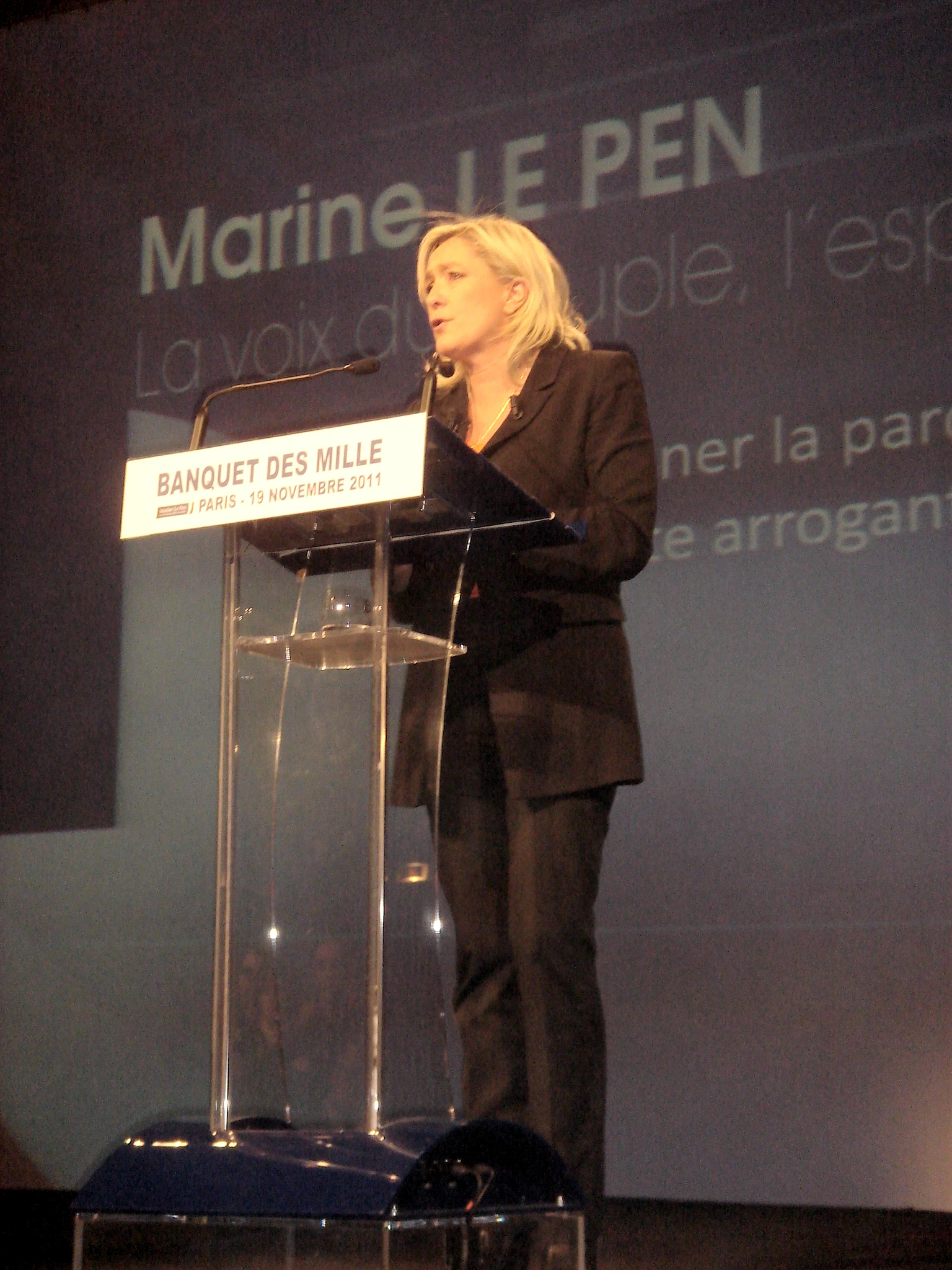
The broader stakes are unmistakable. Jean-Marie Le Pen founded the National Front in 1972, Marine Le Pen rebranded it as the National Rally, and she has since run for president three times. With the party still polling strongly and support typically running around 31 percent to 36 percent in the first round, the question is whether the far right can widen its appeal by dividing roles between Le Pen and Bardella, or whether the family brand still matters more than the next generation.
Sources
- [1]nytimes.com
- [2]uk.news.yahoo.com
- [3]politico.eu
- [4]france24.com