US News
Leaders Differ on Iran War Outcome as Uncertainty Remains
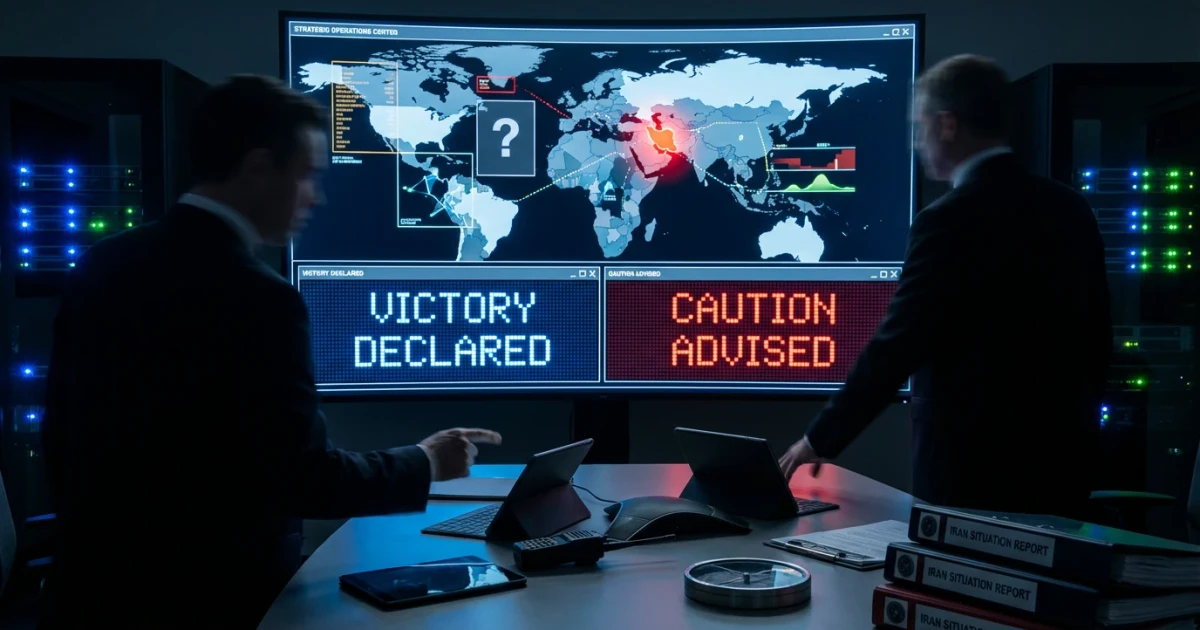
U.S. leaders are divided over the outcome of the recent conflict with Iran, with some officials declaring victory while others adopt a more cautious approach amid ongoing uncertainty. The contrasting tones underscore the complex nature of the situation in Iran and the potential risks that remain, even as active combat operations have ceased.
Conflicting Messages from U.S. Leadership
In the aftermath of the recent hostilities, Pete Hegseth—a prominent political figure—has publicly proclaimed victory in the Iran war. According to The Washington Post, Hegseth framed the cessation of large-scale fighting as a clear win for the United States and its allies. His statements reflect a broader narrative among some U.S. officials who view the outcome as a strategic success, citing the restoration of deterrence and the disruption of Iranian military capabilities.
However, not all leaders share Hegseth’s optimism. Caine, another senior U.S. official, has taken a more measured stance, emphasizing the need for caution. As reported by The Washington Post, Caine highlighted the challenges that remain, including the potential for renewed hostilities and the fragile nature of the current cease-fire. This divergence in messaging reflects broader debates within the U.S. government about the long-term implications of the conflict.
Cease-Fire and Political Calculations
While a cease-fire is currently in place, its durability remains uncertain. The Washington Post notes that the situation in Iran is fluid, and the risk of renewed combat persists. For President Trump and his administration, the prospect of resuming hostilities carries significant political and strategic risks. The New York Times has reported that any decision to return to combat operations would be fraught with challenges, including potential backlash at home and abroad, questions about the sustainability of military gains, and the possibility of escalating regional tensions.
- UN Security Council sanctions on Iran remain a key factor influencing the conflict’s trajectory.
- U.S. military planners continue to monitor the situation closely, wary of Iran’s ability to regroup and retaliate.
- Diplomatic efforts are ongoing to solidify the cease-fire and prevent a return to violence.
Analysis: Strategic and Humanitarian Implications
The mixed messages from U.S. leaders reflect the complex reality on the ground in Iran. While the cessation of open combat marks a significant development, the underlying drivers of conflict—including regional rivalries and longstanding grievances—have not been fully resolved. According to analysis by experts at the International Crisis Group, future stability will depend on robust diplomatic engagement and continued vigilance against potential escalations.
Meanwhile, the humanitarian situation in affected areas remains precarious. Relief organizations have called for expanded access to provide aid to civilians displaced by the fighting, underscoring the need for a sustained peace rather than a temporary halt in violence.
Looking Ahead
As the Biden administration and other international stakeholders navigate the aftermath of the Iran conflict, the path forward is anything but clear-cut. The divergent perspectives among U.S. leaders highlight the importance of measured, evidence-based policy decisions and the risks of premature declarations of victory. Observers agree that maintaining the cease-fire and addressing the root causes of instability will be critical to ensuring lasting peace in the region.
- For a deeper look at international arms transfers related to Iran, explore SIPRI's database.
- Read the latest U.S. State Department report on Iran’s regional activities.
- Understand Iran’s military structure with GlobalSecurity.org’s background data.