Business
Leadership Uncertainty Looms at the Federal Reserve
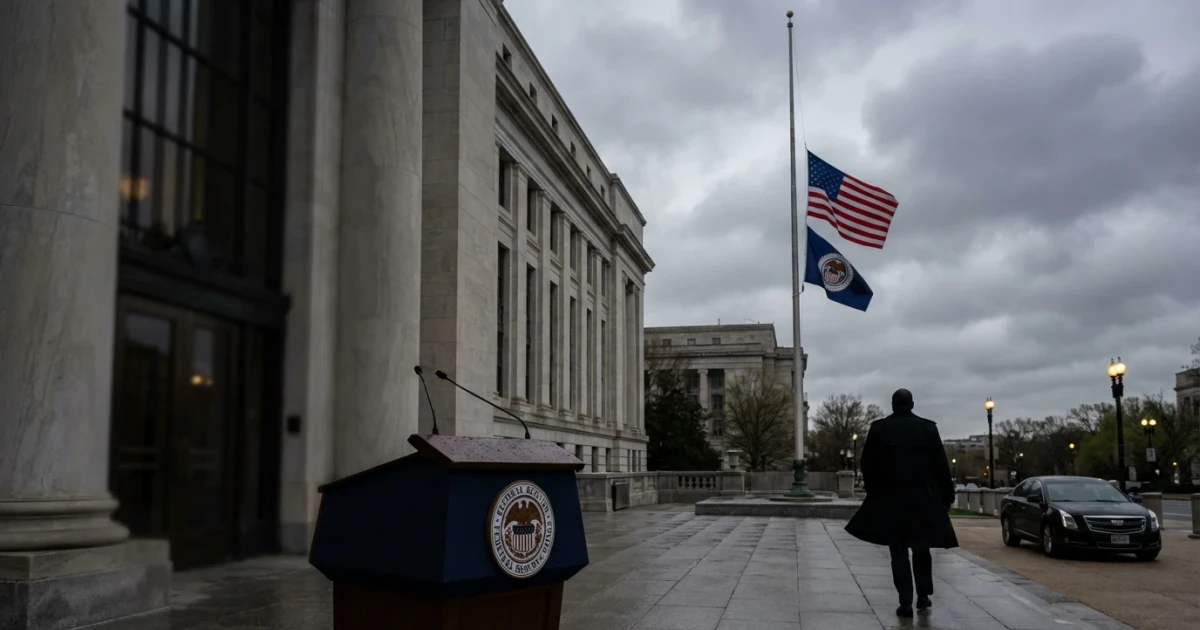
Leadership at the Federal Reserve is approaching a critical juncture as May 15 draws near, raising substantial questions about who will steer U.S. monetary policy in the coming months. The expiration of the current Fed Chair’s term has set the stage for a potential battle in Washington, with the nomination and confirmation process for a successor already proving contentious.
Uncertainty as Chair’s Term Expires
The Washington Post reports that with the incumbent Chair’s statutory term ending on May 15, the central bank could face a period of uncertainty if a successor is not confirmed in time. According to Section 10 of the Federal Reserve Act, the President appoints the Fed Chair from among the sitting governors, subject to Senate confirmation. If no new Chair is confirmed by the end of the term, the Vice Chair may step in as acting leader, but the lack of a permanent appointment could complicate decision-making at a time when economic policy is under intense scrutiny.
Complex Appointment Process and Political Stakes
The process for selecting a new Fed Chair is governed by established protocols, but political factors often play a decisive role. The Congressional Research Service explains in a recent analysis that the Senate’s advice and consent function can lead to protracted confirmation battles, especially when the nominee’s policy views or personal background spark controversy. With economic headwinds and inflation still prominent issues, the stakes for this leadership transition are especially high.
- The Federal Open Market Committee’s upcoming meetings, where interest rates and financial stability are key agenda items, could be affected by leadership ambiguity.
- Recent history shows that delays in confirmation, or the appointment of acting officials, can contribute to market volatility and uncertainty in policy direction.
Kevin Warsh’s Nomination and Wealth Disclosures
Amid this backdrop, the nomination of Kevin Warsh has become a focal point. Warsh, a former Fed governor and a figure well known in financial circles, has filed disclosures revealing personal wealth far exceeding that of previous Fed chairs. This revelation, first detailed by CNBC and noted by The Washington Post, has fueled debate on Capitol Hill over potential conflicts of interest and the influence of personal finance on monetary stewardship. Lawmakers are expected to scrutinize Warsh’s holdings during confirmation hearings, referencing the Senate’s official nominations database for required disclosures and background checks.
- Warsh’s wealth, as documented in his filings, is significantly higher than any past Fed leader, prompting calls for transparency and potential recusal from certain decisions.
- The debate underscores ongoing concerns about the independence of the central bank and the optics of appointing a wealthy financier to the nation’s top monetary post.
Implications for Policy and Markets
The uncertainty over Fed leadership comes as markets, businesses, and policymakers look for stability on inflation and interest rates. The Federal Reserve’s annual reports highlight the central bank’s pivotal role in guiding economic expectations and maintaining financial stability. Prolonged ambiguity or a divisive confirmation battle could complicate the Fed’s messaging and its ability to respond to emerging risks.
What Comes Next?
With less than a month before the May 15 deadline, the White House and Senate leaders face mounting pressure to resolve the leadership question. If the Senate cannot reach consensus, the Fed’s Vice Chair may serve in an acting capacity, but this is seen as a stopgap rather than a long-term solution.
As the confirmation process unfolds, observers can track official developments through the Fed’s Board of Governors membership page and the Senate’s nominations database. For now, the Federal Reserve faces a period of heightened scrutiny and political maneuvering that could shape the direction of U.S. economic policy for years to come.