Politics
Leaked Audio Reveals US Senator's Frustration Over White House Resistance to India Trade Deal
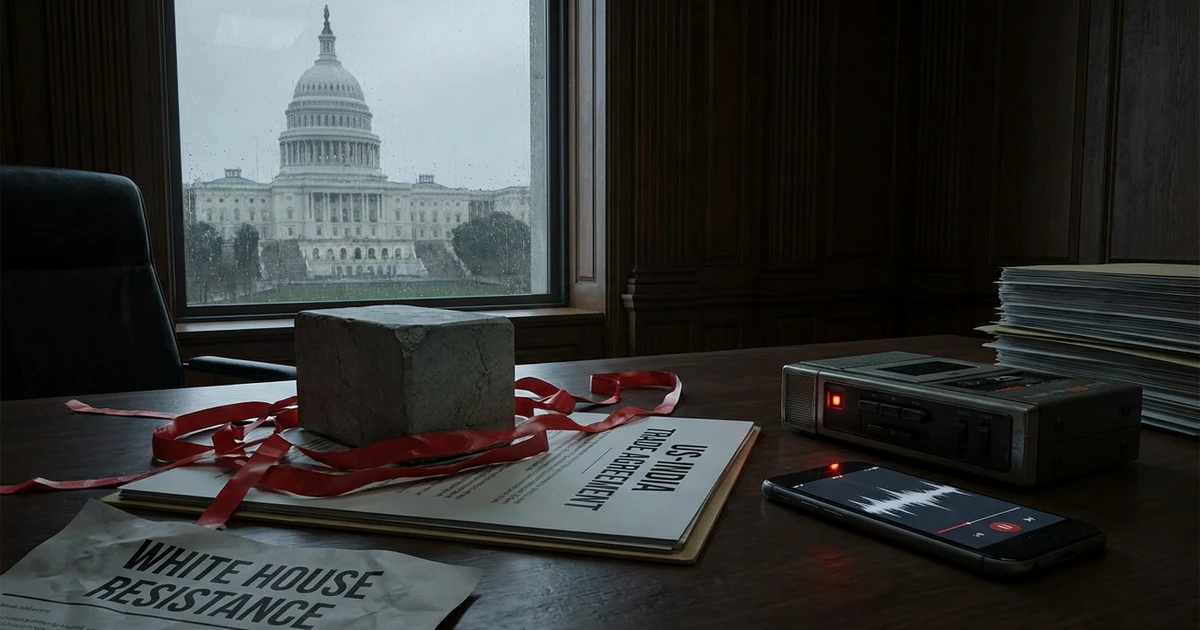
Tensions over international trade have resurfaced in Washington as a leaked audio recording reveals a US senator accusing key White House figures, including former President Donald Trump, Senator J.D. Vance, and former trade advisor Peter Navarro, of repeatedly blocking a pivotal trade agreement between the United States and India. The controversy has reignited debate about the direction of US trade policy and the political calculations shaping decisions at the highest level.
The Leaked Audio and Its Fallout
According to reports from Deccan Herald and NDTV, the audio exposes the senator's ongoing efforts to push a US-India trade deal through the White House. The senator alleges that significant progress was repeatedly curtailed, not just by bureaucratic hurdles, but by deliberate opposition from within the Trump administration and its allies.
- Donald Trump, former US President, is named as occasionally blocking the deal.
- J.D. Vance, current US Senator, and Peter Navarro, former White House trade advisor, are also implicated as active opponents to the agreement.
The senator's remarks, captured in the leaked audio, suggest a deep-seated reluctance within certain White House circles to embrace expanded trade relations with India, despite ongoing negotiations and apparent momentum toward an agreement.
Key Figures: Who Allegedly Stalled the Trade Deal?
Both news outlets highlight the roles of Trump, Vance, and Navarro. Navarro, known for his staunchly protectionist stance during the Trump administration, has long advocated for tough trade policies, especially regarding major economies like China and India. Senator Vance, a rising figure in the Republican Party, has also echoed skepticism toward broad trade agreements, arguing for prioritizing American industries and jobs.
While the leaked audio does not provide detailed specifics on the nature of their objections, it does shed light on internal divisions within the US government over the scope and terms of international trade agreements. The senator's comments imply that these interventions were not sporadic but formed a pattern of resistance that slowed or halted progress at critical junctures.
Impact on US-India Relations
The US-India trade deal has been under negotiation for several years, with both sides expressing interest in lowering tariffs, improving market access, and deepening economic cooperation. However, the revelations contained in the leaked audio suggest that internal US political dynamics—rather than bilateral disagreements—have been a primary obstacle to finalizing the agreement.
- India remains one of the fastest-growing major economies and a key US strategic partner in the Indo-Pacific region.
- The deal, if enacted, could boost bilateral trade, which reached approximately $113 billion in 2021-22, according to official data.
The stalled negotiations underscore the complexities of international trade, where domestic politics often intersect with foreign policy priorities.
Broader Trade Policy Implications
The revelations have sparked renewed debate among policymakers and analysts about the future direction of US trade. Some argue that strategic economic alliances, especially with emerging powers like India, are essential for maintaining US competitiveness and influence. Others, however, continue to prioritize protecting American manufacturing and jobs, even at the cost of new trade agreements.
This episode illustrates how internal political disagreements—particularly on trade—can shape, and sometimes hinder, international partnerships. The senator's accusations point to a persistent tension between advocates of open markets and those favoring more protectionist approaches within the US political landscape.
Looking Ahead: Prospects for Resuming Negotiations
As the leaked audio circulates, it remains to be seen whether public attention will prompt a renewed push for the US-India trade deal or further entrench existing divisions. Both countries have strong incentives to deepen economic ties, but political headwinds in Washington may continue to slow progress unless consensus can be reached.
Ultimately, the fate of the US-India trade deal will likely depend on shifts in domestic US politics as much as on negotiations with India. For now, the leaked audio serves as a stark reminder of the intricate web of interests and opinions that shape American trade policy.
Sources
- [1]deccanherald.com
- [2]NDTV