World
Leaked Documents Reveal Iran’s Deadly Crackdown on Protesters Reached Unprecedented Levels
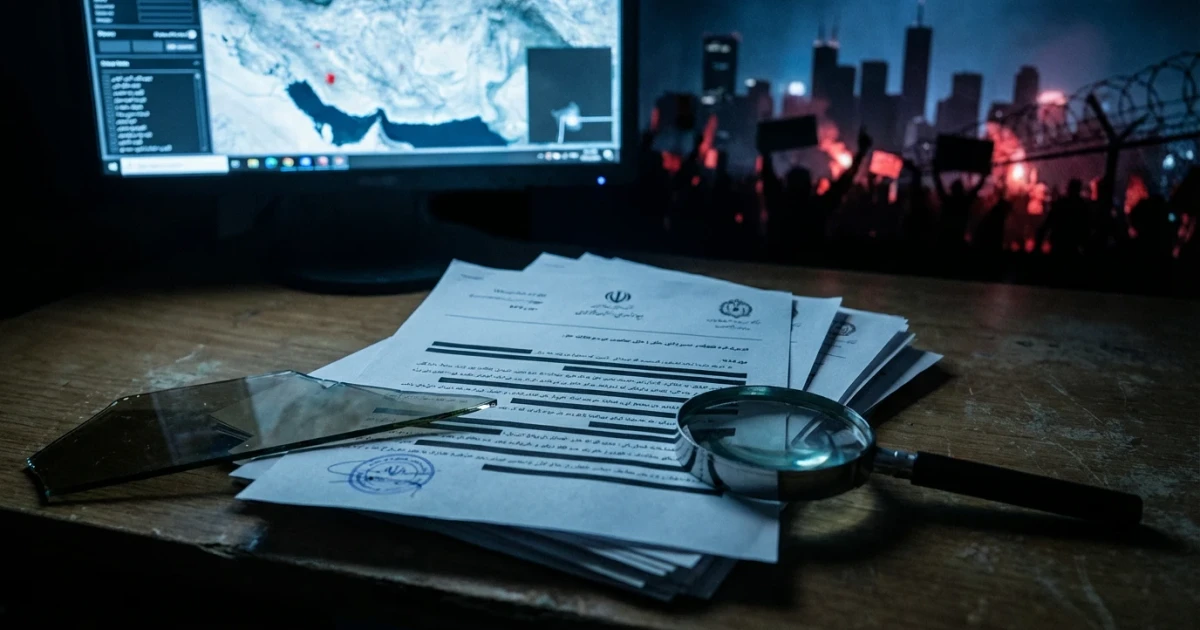
Iran’s response to recent waves of protest has reached deadly new heights, according to an emergent count based on leaked internal documents. The revelations paint a chilling picture of state-sanctioned violence and a systematic government blueprint for quelling dissent, raising international alarm over human rights abuses in the Islamic Republic.
Leaked Documents Uncover Government’s Deadly Plan
According to newly exposed documents, Iran’s Supreme Leader Ayatollah Ali Khamenei and senior officials orchestrated a detailed and deadly plan to suppress protests across the country. The documents, which surfaced during ongoing unrest, outline directives for security forces to use lethal force against demonstrators, signaling an escalation in the regime’s decades-long pattern of crackdowns.
- Instructions reportedly included authorizing live ammunition against crowds.
- Orders targeted not only active participants but also bystanders and suspected organizers.
- The scale of the violence in these most recent protests has, according to emergent counts, reached levels rarely seen in Iran’s recent history.
Protester Deaths Reach Rarely Seen Levels
Analysts drawing from the leaked documents and corroborating reports indicate that the number of protesters killed in the latest crackdown rivals or surpasses previous periods of unrest. Although exact figures are difficult to confirm due to government restrictions on information, the emergent count suggests a marked escalation. This wave of violence stands out even compared to notorious crackdowns in the past, such as the aftermath of the 2009 Green Movement.
Key statistics and findings include:
- Dozens, and potentially hundreds, of protesters killed in a matter of weeks.
- Significant numbers of casualties in several major cities, with reports of violence extending into smaller towns.
- Widespread detentions and disappearances, according to human rights observers who have tracked the aftermath of the protests.
International Response and Human Rights Concerns
The scale and explicit nature of the crackdown, as revealed in the leaked documents, have drawn sharp criticism from international observers and human rights organizations. The use of deadly force against largely unarmed demonstrators is viewed as a grave violation of international human rights norms. The revelations are expected to heighten calls for accountability at the highest levels of the Iranian government.
While Iran’s leadership has consistently justified harsh measures as necessary for maintaining order, the emergent evidence demonstrates a level of premeditation and brutality that has shocked many longtime analysts of the region.
What Comes Next for Iran?
The exposure of these documents and the scale of the violence is likely to have far-reaching implications:
- Renewed pressure on Iran from foreign governments and international bodies to allow independent investigations into protester deaths.
- Greater scrutiny of the Iranian security apparatus, including the Revolutionary Guard and Basij militia, for crimes against civilians.
- Potential for increased unrest as families of victims and the broader Iranian public react to the revelations.
As the world learns more about the extent of Iran’s crackdown, the country faces mounting challenges both at home and abroad. The legacy of these deadly protests and the government’s response is likely to shape Iran’s political and social landscape for years to come.