US News
Lebanon and Israel Begin Ten-Day Cease-Fire Amid Regional Tensions
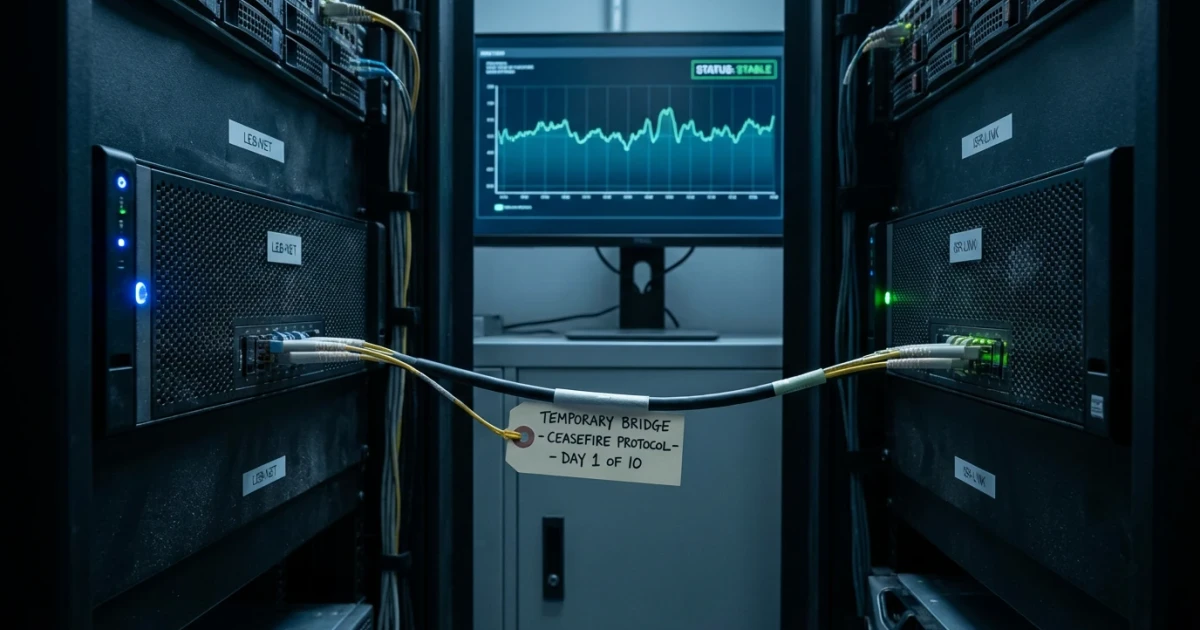
Lebanon and Israel have initiated a ten-day cease-fire, marking a significant pause in hostilities after a period of intense cross-border fighting that heightened concerns across the Middle East. The agreement, which took effect late Wednesday, follows weeks of escalating conflict between Israeli forces and Hezbollah militants and comes amid ongoing tensions involving Iran.
Cease-Fire Details and Regional Context
The cease-fire was reached after days of indirect negotiations, with both sides agreeing to halt military operations along the volatile border. According to The New York Times, the truce was brokered in the wake of mounting international pressure to prevent the conflict from spiraling further and destabilizing the region. The Associated Press also confirmed that the agreement calls for a ten-day suspension of hostilities, with the possibility of renewal if both parties comply with its terms.
This development comes as the broader region remains on edge following recent confrontations involving Hezbollah and Israel, with Iran’s role in supporting Hezbollah drawing particular concern from Western and regional governments. The cease-fire aims to avert a wider conflict that could draw in additional actors and worsen the humanitarian situation in Lebanon.
Impact on Civilians and Humanitarian Response
The fighting in recent weeks has led to significant civilian displacement and infrastructure damage, particularly in southern Lebanon. United Nations agencies have reported that thousands of families were forced to flee their homes due to shelling and airstrikes. According to data from the UN Office for the Coordination of Humanitarian Affairs (OCHA), humanitarian needs have surged, with relief efforts focusing on shelter, food, and medical support for affected communities.
With the cease-fire in place, humanitarian organizations are expected to ramp up efforts to reach those in need and assess the full impact of the fighting. UN peacekeepers, part of the United Nations Interim Force in Lebanon (UNIFIL), will play a key role in monitoring the truce and facilitating dialogue between the parties to prevent new incidents.
Monitoring and Prospects for Stability
While the cease-fire offers a period of calm, both sides remain wary of potential violations. UNIFIL has been tasked with monitoring compliance and reporting any breaches, a mandate it has held since the 2006 Lebanon War. According to its official mission documents, UNIFIL works to reduce tensions and prevent escalation along the border, though the risk of renewed violence persists.
Regional analysts, as cited in The New York Times and other outlets, caution that while the current truce addresses immediate threats, the underlying sources of tension—particularly Hezbollah's military presence and Iran’s influence—remain unresolved. The cease-fire's durability will likely depend on ongoing diplomatic efforts and the willingness of both sides to avoid provocations.
Looking Ahead
As the cease-fire holds, attention will shift to diplomatic channels, humanitarian recovery, and efforts to address the root causes of conflict along the Lebanon-Israel border. The coming days will test the resolve of both governments and the effectiveness of international monitors in sustaining the fragile calm.
For more on the conflict’s background and real-time data on recent events, readers can consult the ACLED Conflict Data Dashboard and the Human Rights Watch World Report: Lebanon. These resources provide in-depth analysis and statistics on the humanitarian and security situation in the region.