World
Lebanon and Israel Open Talks Amid Iran War and U.S. Port Blockade
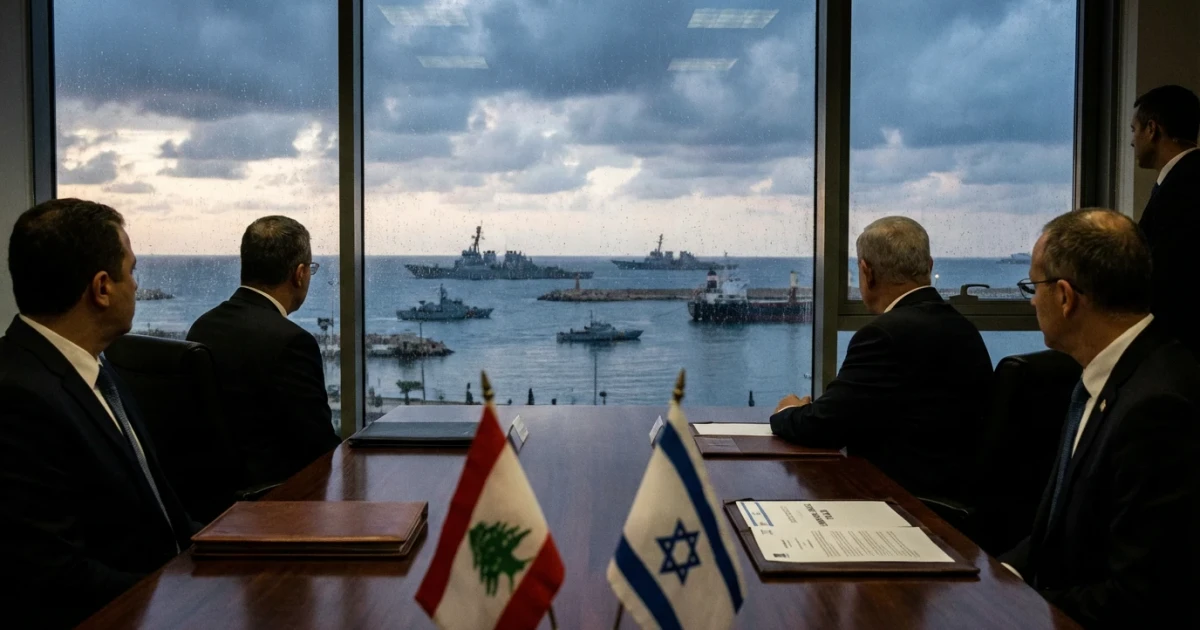
Lebanon and Israel have launched direct talks while the United States enforces a port blockade on Iran, marking a pivotal moment in the ongoing regional conflict. The developments come as international diplomatic efforts intensify, with both opportunities for negotiation and new sources of tension emerging.
Direct Talks Signal Shift in Regional Diplomacy
According to CBS News and The New York Times, Lebanon and Israel have opened direct talks for the first time since hostilities escalated in the region. These talks, described by both outlets as significant, are seen as an attempt to deescalate mounting tensions and address recent cross-border incidents. The New York Times notes that the talks are taking place against the backdrop of the broader Iran war, which has drawn in multiple regional actors, including Hezbollah.
While the Lebanese government has entered the negotiations, Hezbollah — a powerful political and military faction in Lebanon — has publicly signaled its opposition. The New York Times reports that the group has warned against any settlement with Israel, reflecting longstanding divisions within Lebanon on matters of security and foreign policy. This internal discord could complicate efforts to reach lasting agreements, as Hezbollah’s influence remains strong both politically and militarily.
U.S. Blockade of Iranian Ports Continues
In parallel, the United States has intensified its involvement by maintaining a blockade of Iranian ports. CBS News confirms that American naval forces continue to enforce restrictions on maritime traffic, aiming to disrupt Iranian supply lines and pressure Tehran into diplomatic talks. The blockade has already impacted commercial shipping and regional trade, as evidenced by recent declines in port traffic statistics for Iran.
- The U.S. action is part of a broader strategy to constrain Iran’s ability to supply arms and logistics to its regional allies.
- International observers are monitoring potential humanitarian impacts, as Iran relies heavily on maritime imports for essential goods.
- According to the UN Comtrade Database, previous maritime disruptions have led to sharp drops in Iranian imports and exports, affecting everything from consumer goods to industrial machinery.
The blockade is also drawing scrutiny from the international community regarding its legality under United Nations Security Council resolutions on Iran and the ongoing conflict.
Hezbollah’s Stance and Wider Regional Reactions
Hezbollah’s leadership has issued statements critical of both the U.S. blockade and the Lebanese government’s engagement in talks with Israel. The New York Times highlights that this opposition could pose challenges for any diplomatic breakthrough, given Hezbollah’s deep ties to Iran and its history of conflict with Israel. Regional analysts, cited by both outlets, suggest that Hezbollah’s position reflects broader concerns about the shifting balance of power in the Middle East as the war evolves.
Meanwhile, international leaders are under pressure to respond. The New York Times notes that French President Emmanuel Macron has faced criticism over his policies toward Iran and Hezbollah, especially as the U.S. takes a more assertive role. The Trump administration, in hosting Israeli and Lebanese delegations, appears to be steering the current round of negotiations, while European actors reassess their strategies.
Humanitarian and Economic Impacts
The ongoing blockade and conflict have significant humanitarian consequences. Lebanon and Israel, both of which have large populations living near their shared border, are bracing for possible displacement and disruption. According to UNHCR data, previous escalations in the region have led to substantial refugee flows, with Lebanon hosting one of the world’s largest per-capita refugee populations.
Economic ramifications extend beyond Iran’s borders. The enforcement of the blockade is affecting global shipping routes and raising concerns over energy prices, as Iran remains a critical player in the oil and gas markets. The international community is closely watching port activity and trade volumes, as any prolonged disruption could have ripple effects across global supply chains.
Next Steps: Prospects for Negotiation and Escalation
Looking ahead, CBS News reports that fresh talks involving Iran could begin as soon as this week, though no formal agenda has been confirmed. The initiation of direct communication between Lebanon and Israel is seen as a tentative step toward de-escalation, but the persistence of the U.S. port blockade and Hezbollah’s opposition inject uncertainty into the process.
As the situation develops, stakeholders across the region and internationally remain on high alert. The coming weeks will reveal whether diplomatic efforts can ease tensions, or whether economic and security crises will deepen further.