World
Lebanon and Israel open Washington talks on peace, security deal
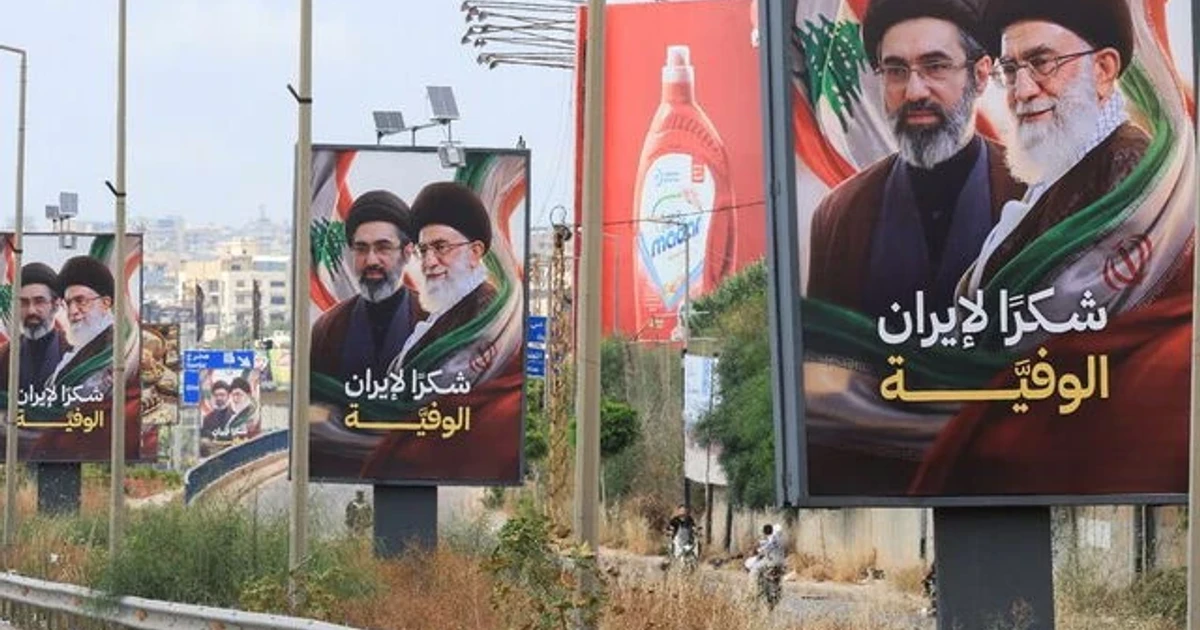
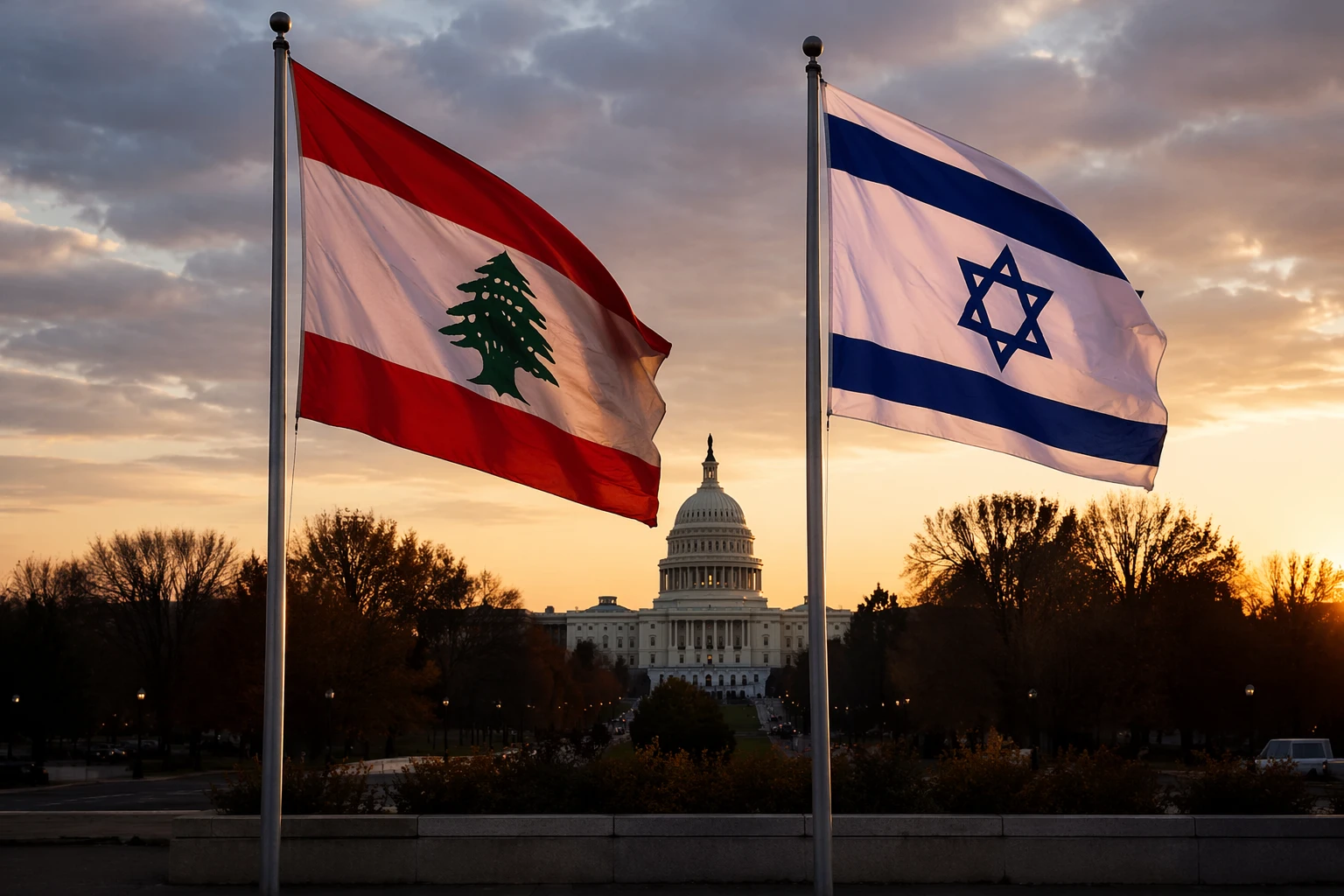
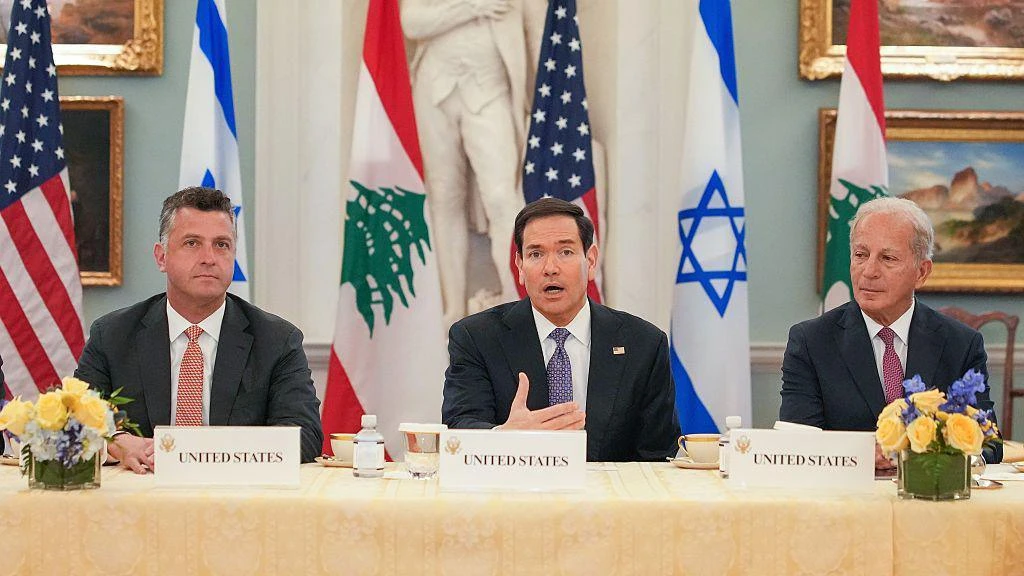
Lebanon and Israel opened a new round of talks in Washington on Tuesday, with Beirut pressing for direct negotiations even as the diplomacy was complicated by a parallel U.S.-Iran track. The delegations included military and political representatives from both sides, and the opening came as Lebanese officials tried to steer the process toward a peace and security deal on terms they could still claim as sovereign.
The meetings were the fifth high-level round of U.S.-mediated Israeli-Lebanese negotiations in 2026. In a June 3 statement after the fourth trilateral meeting, the U.S. State Department said the parties had discussed a security framework at the Pentagon on May 29 and agreed that any ceasefire must be reached directly between Israel and Lebanon, brokered by the United States. That statement also said the sides had agreed to create pilot zones where the Lebanese Armed Forces would take exclusive control and exclude all non-state actors.
The same U.S. statement said any ceasefire deal was contingent on a complete cessation of Hizbollah fire and the evacuation of all Hizbollah operatives from the South Litani Sector. Those conditions put the negotiations squarely inside the wider struggle over who controls Lebanon’s south, and whether armed groups outside the state can be pushed out without another round of violence.
Joseph Aoun tried to frame the talks as a national opening rather than a concession. In a post on X, he wrote: “Today, and in the coming days, we embark on a new round of talks,” adding that Lebanon hoped they would be decisive for the good of the nation and its people. In a separate Reuters interview aired June 8, Aoun urged Israel to negotiate rather than pursue war, and said Lebanon would accept nothing less than the end of the Israeli occupation in southern Lebanon.
The pressure on Beirut has mounted alongside the fighting. More than 4,000 people in Lebanon have been killed since March 2 in the Israeli air and ground campaign that followed Hezbollah fire in support of Iran. Four rounds of talks since April had failed to produce a durable ceasefire, leaving the new Washington session exposed to the same mistrust that sank earlier efforts.
The regional shadow over the talks deepened after a June 18 U.S.-Iran memorandum of understanding reportedly included a ceasefire across all fronts, including Lebanon. That deal bolstered Iran-backed Hezbollah and made Beirut’s negotiating position more fragile, because Lebanon was being pulled into a separate diplomatic channel at the same time it was trying to negotiate directly with Israel.
Yechiel Leiter, Israel’s ambassador to the United States, criticized the process as a “train wreck” and said it was “in danger of going off the rails.” His warning captured the core problem in Washington: even technical questions about security zones, ceasefire lines and troop control had become a test of regional leverage, and of whether Lebanon could negotiate on its own terms.
Sources
- [1]usnews.com
- [2]state.gov
- [3]reutersconnect.com
- [4]english.aawsat.com
- [5]haaretz.com
- [6]aljazeera.com