US News
Lebanon and Israel Set for Direct Talks in Washington
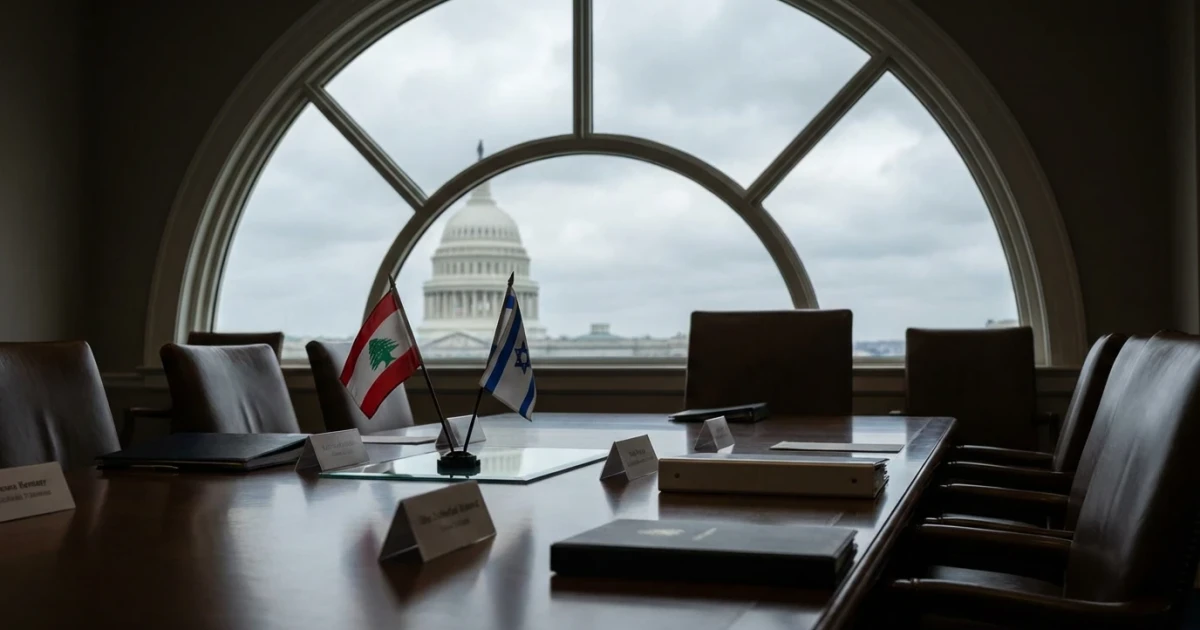
Lebanon and Israel are preparing to engage in rare direct talks in Washington, aiming to address the extension of the current ceasefire between Israel and Hezbollah. The negotiations mark a significant moment in efforts to maintain calm along a volatile border and come amid regional and international calls to prevent a resurgence of large-scale hostilities.
Background: A Fragile Ceasefire
The Israel-Hezbollah ceasefire, monitored by the United Nations Interim Force in Lebanon (UNIFIL), has been in place for several months, following a period of heightened cross-border tensions and sporadic violence. According to official UNIFIL data, the peacekeeping mission currently oversees more than 10,000 personnel from over 40 countries, working to reduce the risk of escalation and facilitate dialogue between the parties.
Direct negotiations between Lebanon and Israel are uncommon, given the two countries’ long-standing hostilities and absence of formal diplomatic relations. Most communication has historically occurred through intermediaries, including the United Nations and United States. The upcoming Washington talks, as reported by AP News, represent a departure from this norm and reflect mutual interest in sustaining the fragile truce.
Key Issues on the Table
- Ceasefire Extension: The primary focus is on extending the current ceasefire, which has contributed to a significant reduction in cross-border incidents and civilian displacement. Data from the UNHCR Lebanon Data Portal shows that periods of calm have allowed thousands of displaced residents to return to their homes, though security concerns remain.
- Border Security: Both sides are expected to address recurring security incidents along the Blue Line, the UN-demarcated boundary, as well as access issues for peacekeepers and humanitarian organizations. The OCHA Data on Crossings documents frequent disruptions affecting movement and aid delivery in the region.
- Hezbollah’s Role: Hezbollah, a powerful political and military actor in Lebanon, has been central to the ceasefire’s implementation. The group’s objectives and relationship with both the Lebanese government and Israel remain complex, as detailed in the Council on Foreign Relations explainer.
International Mediation and Stakes
Washington’s role as host underscores the United States’ ongoing engagement in regional diplomacy and its interest in preventing a larger conflict. The Security Council has repeatedly called for restraint, with several resolutions adopted in 2023 urging all parties to avoid provocations and support UNIFIL’s mandate.
According to the International Crisis Group’s recent analysis, the potential for escalation remains high if talks falter or if incidents along the border increase. The report notes that even limited exchanges of fire can rapidly spiral, endangering civilians and complicating humanitarian operations.
Historical Context
Past attempts at formal agreements have yielded mixed results. The Peace Agreements Database lists several ceasefire arrangements and understandings between Israel, Lebanon, and various non-state actors, most notably the 2006 cessation of hostilities that ended a month-long war. While these agreements have at times succeeded in reducing violence, they have rarely produced lasting solutions to underlying disputes.
Outlook
The resumption of direct talks in Washington is being watched closely by regional actors, international organizations, and local communities on both sides of the border. Success could pave the way for a more durable de-escalation, while failure risks a return to instability. As negotiations proceed, ongoing monitoring by UNIFIL and humanitarian assessments by agencies such as the UNHCR and OCHA will remain crucial in tracking the impact on civilians and border communities.
For now, the willingness of Lebanon and Israel to engage directly—however tentatively—offers a rare opening for dialogue in a region often marked by entrenched animosity and intermittent conflict.