World
Lebanon bears the deadliest spillover of the regional war, Reuters says
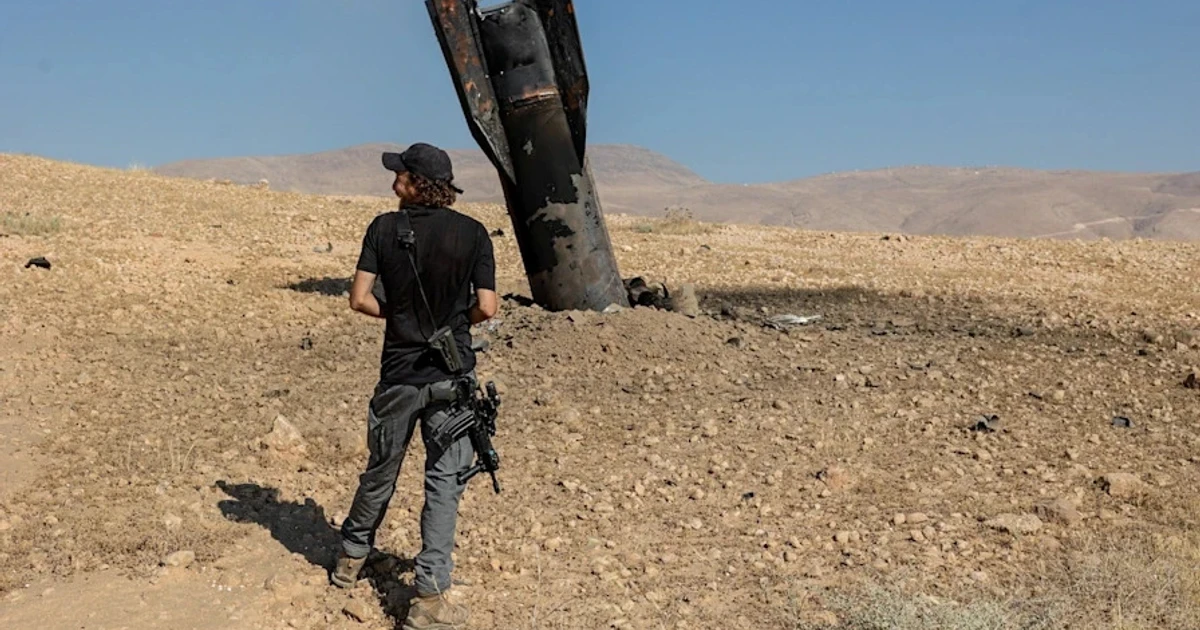
Lebanon has absorbed the deadliest spillover of the regional war, with at least 3,783 people killed and 11,699 wounded as fighting that began on March 2 ripped through towns, suburbs and critical infrastructure. The dead included 247 children, 363 women and 133 healthcare workers, a toll that shows how quickly a border conflict became a national public health crisis. The violence also killed 28 Israeli soldiers and four civilians in Hezbollah attacks.
The worst damage was concentrated in the south, but the blast radius reached deep into Beirut and its southern suburbs. More than 68,000 housing units had been damaged or destroyed by mid-May, including nearly 30,000 in Lebanon’s three southernmost districts and more than 8,000 in Beirut and its southern suburbs. Families were uprooted repeatedly as more than 1 million people, about one in five residents, fled their homes, and UNICEF said nearly 390,000 of the displaced were children.
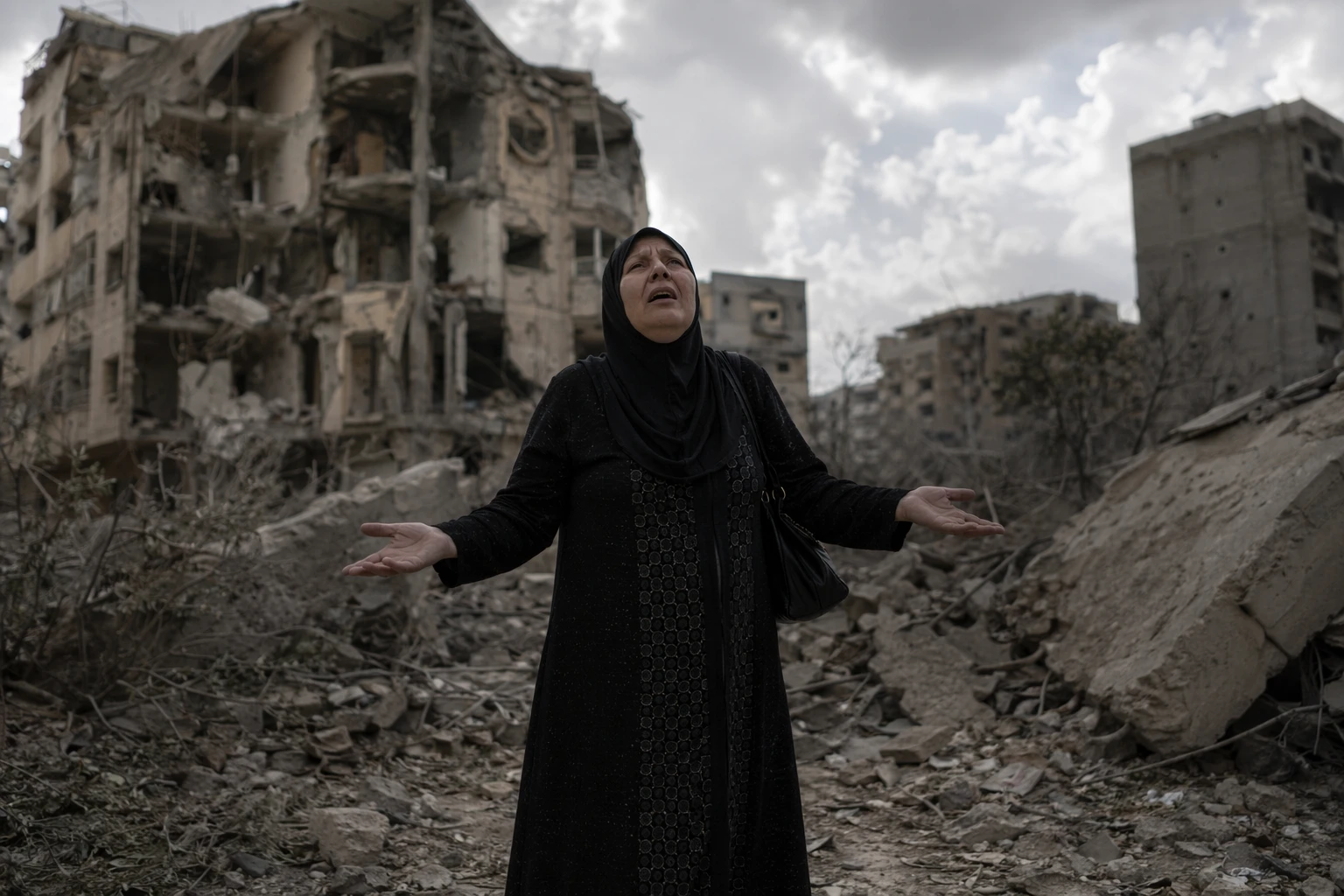
The assault did not stop at front-line neighborhoods. Buildings damaged in the first month included hospitals, power stations and water pumping stations, a reminder that the war hit the systems that keep people alive as much as the homes they live in. The World Health Organization said hostilities stretched across South Lebanon, Beirut’s southern suburbs, the Bekaa and Baalbek, with civilian deaths and injuries rising daily and hospitals and primary health-care centers disrupted. By the end of May, nearly 981,500 displaced people had returned home, but about 82,700 remained uprooted, leaving recovery uneven and fragile.
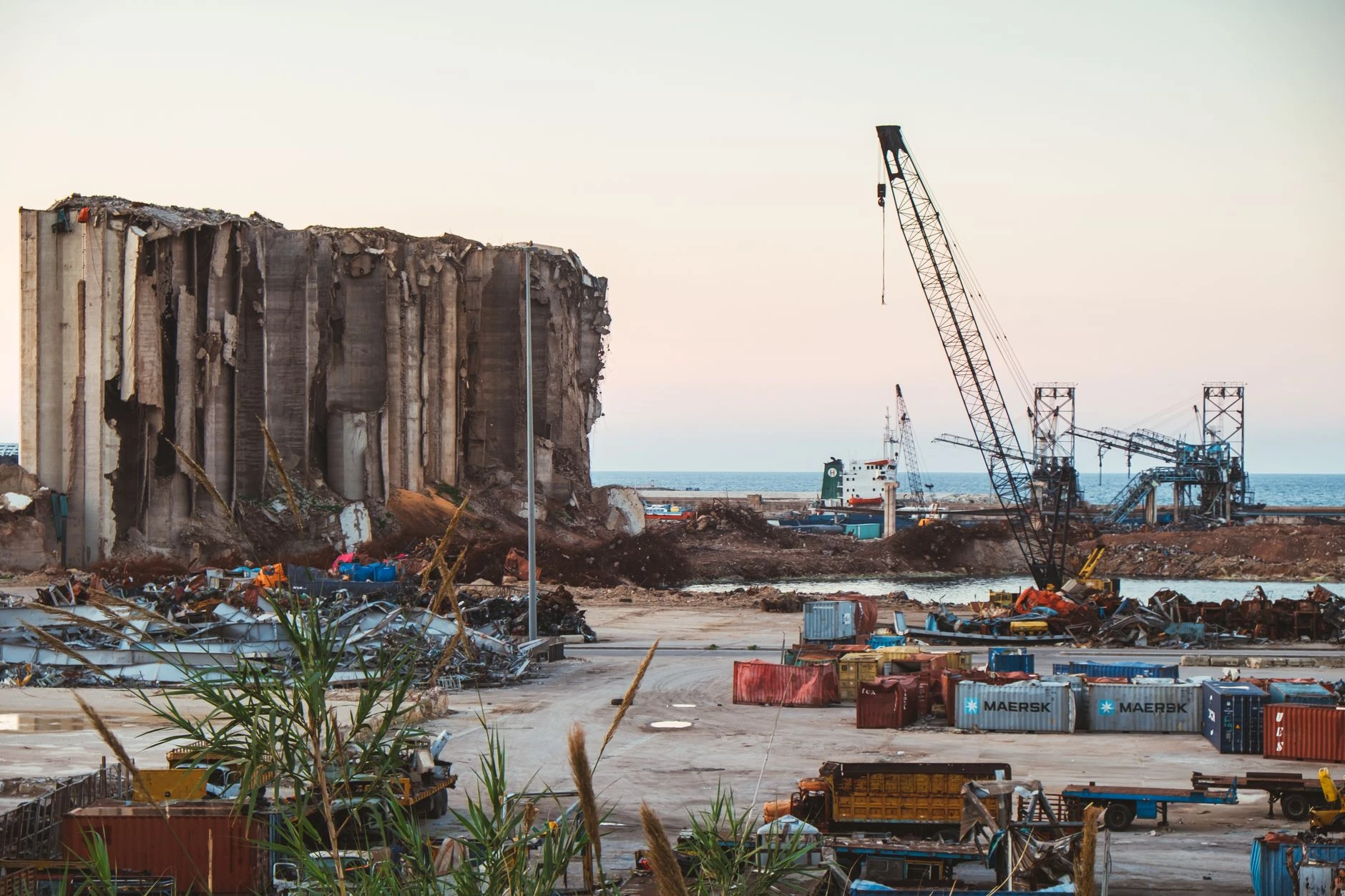
The economic damage has only deepened Lebanon’s long breakdown. The World Bank estimated the 2023-24 conflict cost the country $14 billion, including $6.8 billion in physical damage and $7.2 billion in losses, while reconstruction and recovery needs were put at $11 billion in March 2025. Housing was the hardest-hit sector, with $4.6 billion in damages. Lebanon was already reeling from an unprecedented crisis that began in 2019, when the Lebanese pound lost 98% of its value and more than a third of the population fell into poverty.
Even as ceasefire efforts and diplomacy continued in June, the country remained under strain. The United Nations Security Council met on June 2 at France’s request as concern grew over strikes on Beirut’s southern suburbs, and UN agencies warned that the damage to Lebanon’s buildings, public services and social fabric would outlast the fighting. UNDP said damage to buildings in Beirut and Mount Lebanon alone exceeded $365 million, a figure that captures only part of the reconstruction burden facing a state already stretched past its limits.
Sources
- [1]uk.news.yahoo.com
- [2]undp.org
- [3]worldbank.org
- [4]unhcr.org
- [5]unicef.org
- [6]emro.who.int
- [7]news.un.org