World
Lebanon Reports 11 Killed in Israeli Strikes on South
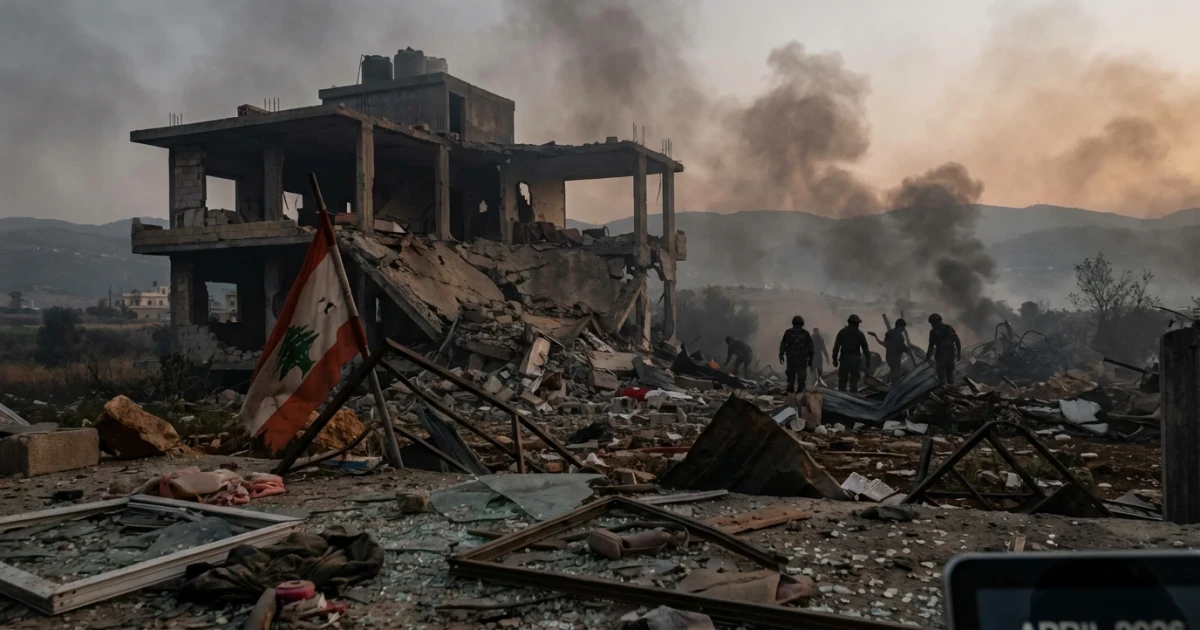
Lebanon’s Health Ministry announced that 11 people were killed in a series of Israeli airstrikes targeting the country’s south, as regional tensions continue to escalate. The fatalities, confirmed on Thursday, mark one of the deadliest incidents in recent exchanges along the Lebanon-Israel border and have prompted heightened concern from both local authorities and international observers.
Casualty Details and Humanitarian Impact
The Lebanese Health Ministry reported that the strikes, which hit several villages in southern Lebanon, resulted in 11 deaths, with additional injuries reported among civilians and potentially local security personnel. According to UNHCR operational data on displacement, incidents like these have contributed to the rising number of internally displaced persons, with families fleeing areas affected by the ongoing cross-border violence.
- 11 confirmed fatalities in the latest airstrikes
- Further casualties and injuries reported, with hospitals receiving both critical and minor cases
- Damage to homes, schools, and public infrastructure noted in preliminary assessments
Humanitarian organizations, including the World Health Organization, have highlighted the strain on Lebanon’s already fragile health infrastructure, warning that repeated attacks put additional pressure on hospitals and emergency responders in the region.
Escalating Cross-Border Tensions
Sources including Human Rights Watch and crisis analysis by ACAPS suggest that the recent airstrikes are part of a broader pattern of hostilities that have intensified since late 2023. Both sides have engaged in periodic exchanges of fire, but the latest incident’s death toll is among the highest reported in recent months.
The ACAPS crisis analysis notes that such escalations often lead to immediate increases in displacement, disrupt access to essential services, and exacerbate long-standing humanitarian needs in affected communities.
International Reactions and Ongoing Risks
The international community has expressed concern over the mounting civilian casualties and the risk of further escalation. Diplomatic efforts to de-escalate the situation have so far yielded limited results, as both sides cite security concerns and mutual accusations of provocation.
Lebanon’s government continues to urge restraint and calls for increased humanitarian assistance, while international agencies closely monitor the evolving security and humanitarian landscape. The United Nations and partner organizations are providing emergency aid to those displaced or injured, but warn that further violence could overwhelm local capacities.
Looking Ahead
With the situation along the Lebanon-Israel border remaining volatile, the prospects for immediate de-escalation appear uncertain. Humanitarian agencies stress the importance of protecting civilians and ensuring unfettered access to medical care and displacement support. Ongoing monitoring and reporting from the UN and associated agencies will be critical for understanding the full impact of the conflict in the coming weeks.
As events continue to unfold, both local and international stakeholders urge all parties to prioritize civilian safety and adhere to international humanitarian law, highlighting the urgent need for diplomatic solutions to prevent further loss of life.