World
Lebanon split over deal seen as curbing Iran's influence
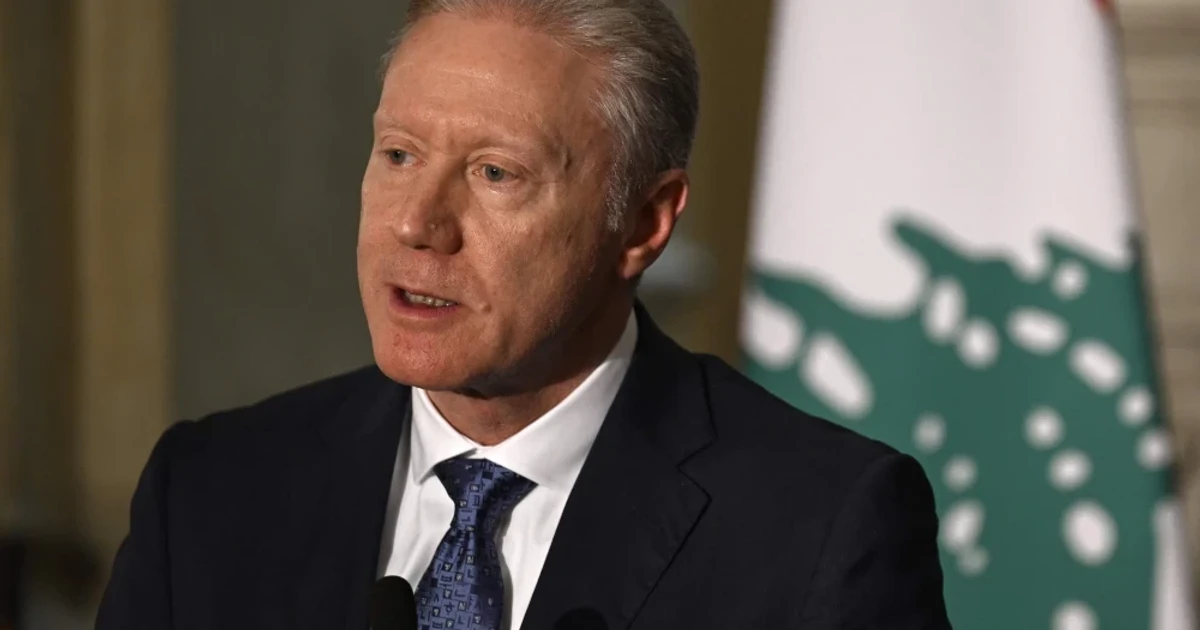
Lebanon’s foreign minister, Youssef Raggi, declared Iran’s ambassador to Beirut, Mohammad Reza Sheibani, persona non grata and ordered him to leave by March 29, a move that sharpened the fight over a deal many Lebanese now view as a test of sovereignty. Supporters welcomed the agreement as a step toward curbing Iran’s influence in Lebanon, while opponents took to the streets and cast it as capitulation.
The split has deepened as war pressure mounted. Israel and Iran-backed Hezbollah have been fighting since October 2023, with Israel intensifying the conflict in September 2024 and again in March 2026. That latest escalation included strikes on Beirut’s southern suburbs and an invasion of Lebanese territory, pushing the country further into a confrontation that many in Lebanon say they did not choose but cannot escape.
The human cost has driven much of the public anger. June reporting put the toll in Lebanon at at least 3,783 dead and 11,699 wounded, with more than 1.2 million people displaced in one month of fighting. For families trying to return to work, reopen shops, or stay in place after repeated bombardment, any agreement that promises fewer Israeli attacks can look like a practical route to survival. For others, especially those who see Hezbollah and its allies as the engine of Lebanon’s isolation, the same deal reads as a surrender of national leverage.
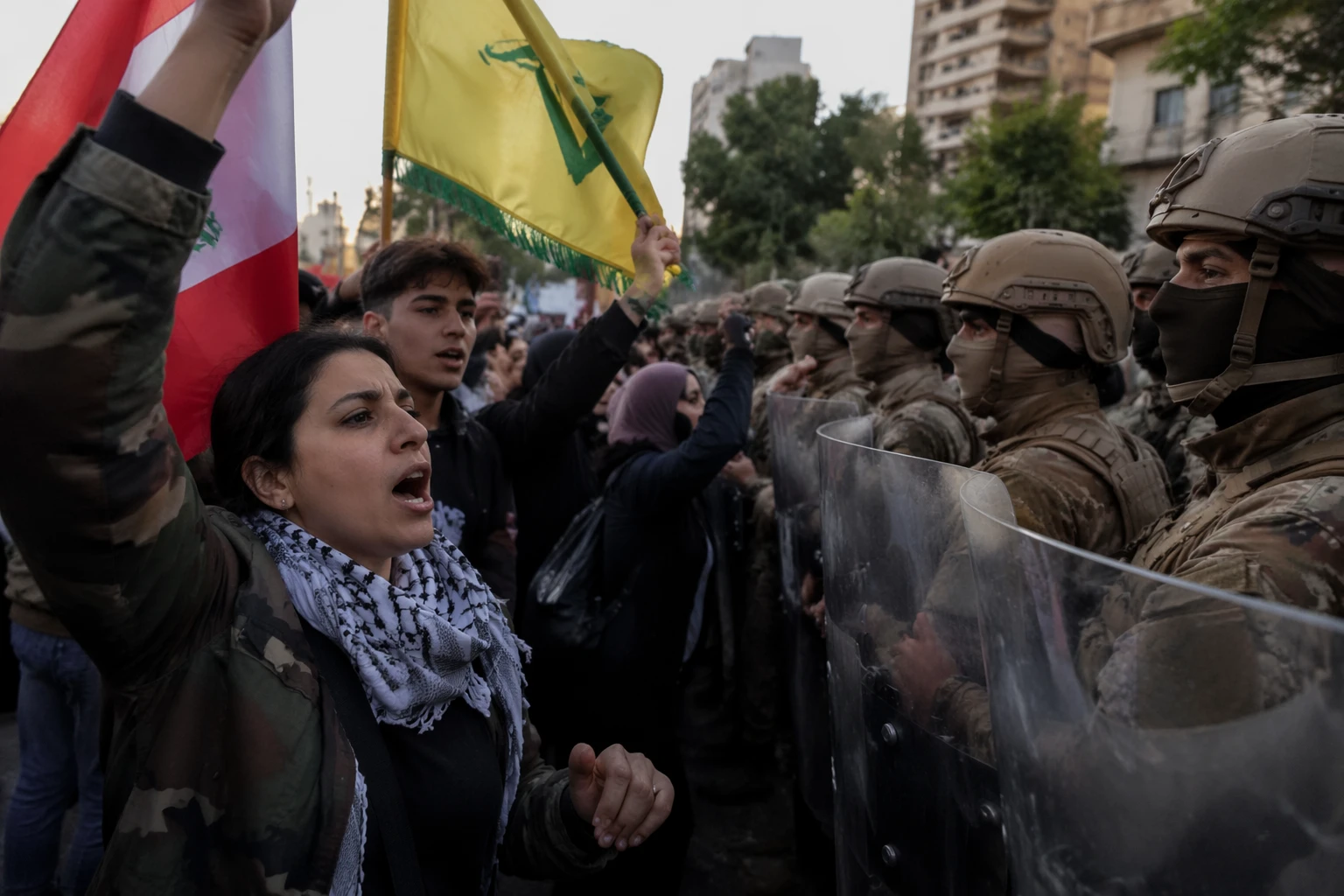
That divide is now tied to a broader argument over whether Lebanon can be separated from the Iran-Israel confrontation. Analysts say Tehran sees any wider settlement as needing to include Lebanon, and to protect the country’s territorial integrity while ending Israeli attacks there. Hezbollah’s own actions have kept that pressure alive, including a volley of six rockets at Israel after what it called more than 10,000 Israeli violations of the 2024 ceasefire.
Diplomacy has moved alongside the fighting, but without resolving the core dispute. The United States and Iran held direct talks in Pakistan in April 2026, while Reuters reporting cited by Al Jazeera said Iran sent officers from the Islamic Revolutionary Guard Corps to Lebanon after the November 2024 ceasefire to conduct a post-war audit and restructuring. Those moves have not settled the question now hanging over Beirut, southern Lebanon, and the state itself: whether any deal can endure while Lebanon remains a front line in a wider regional war.
Sources
- [1]nytimes.com
- [2]aljazeera.com