Technology
Lee Jae Myung urges faster approvals for South Korea chip AI push
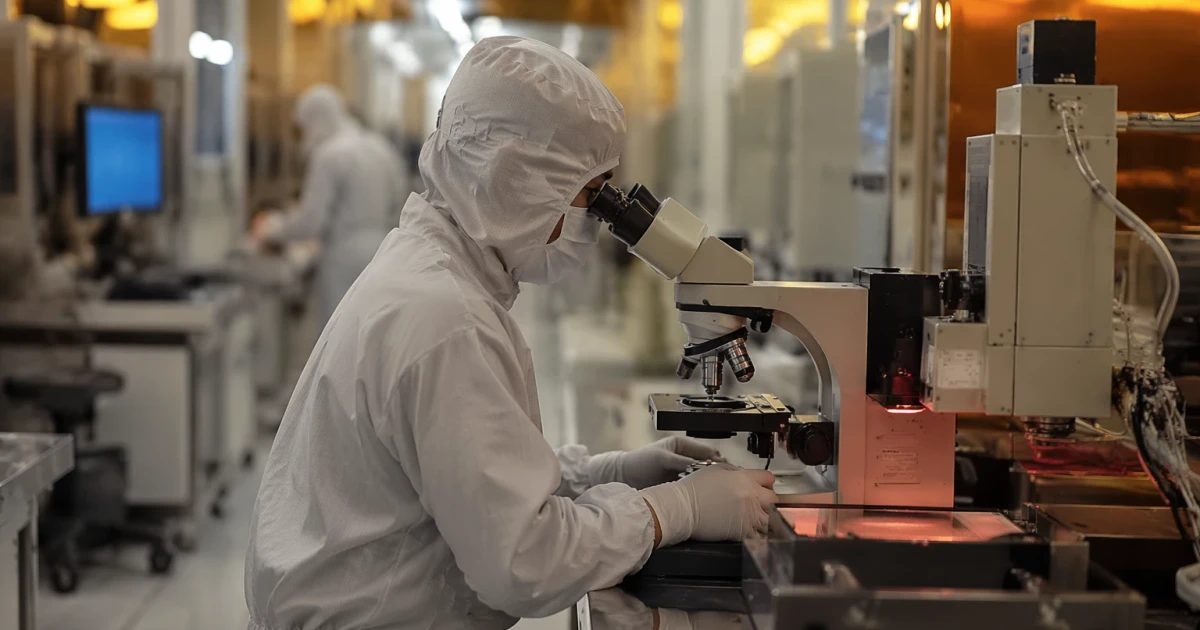
Lee Jae Myung told officials on Monday to move faster on South Korea's chip and AI projects, warning that delays in permits, land acquisition and power and water supply could weaken the country's push into advanced industry. He said the outcome would be decided by speed, not caution, and added, "Only speed matters." He pointed to the Yongin industrial complex, where six years passed from site confirmation to groundbreaking, and said that pace was already considered relatively fast.
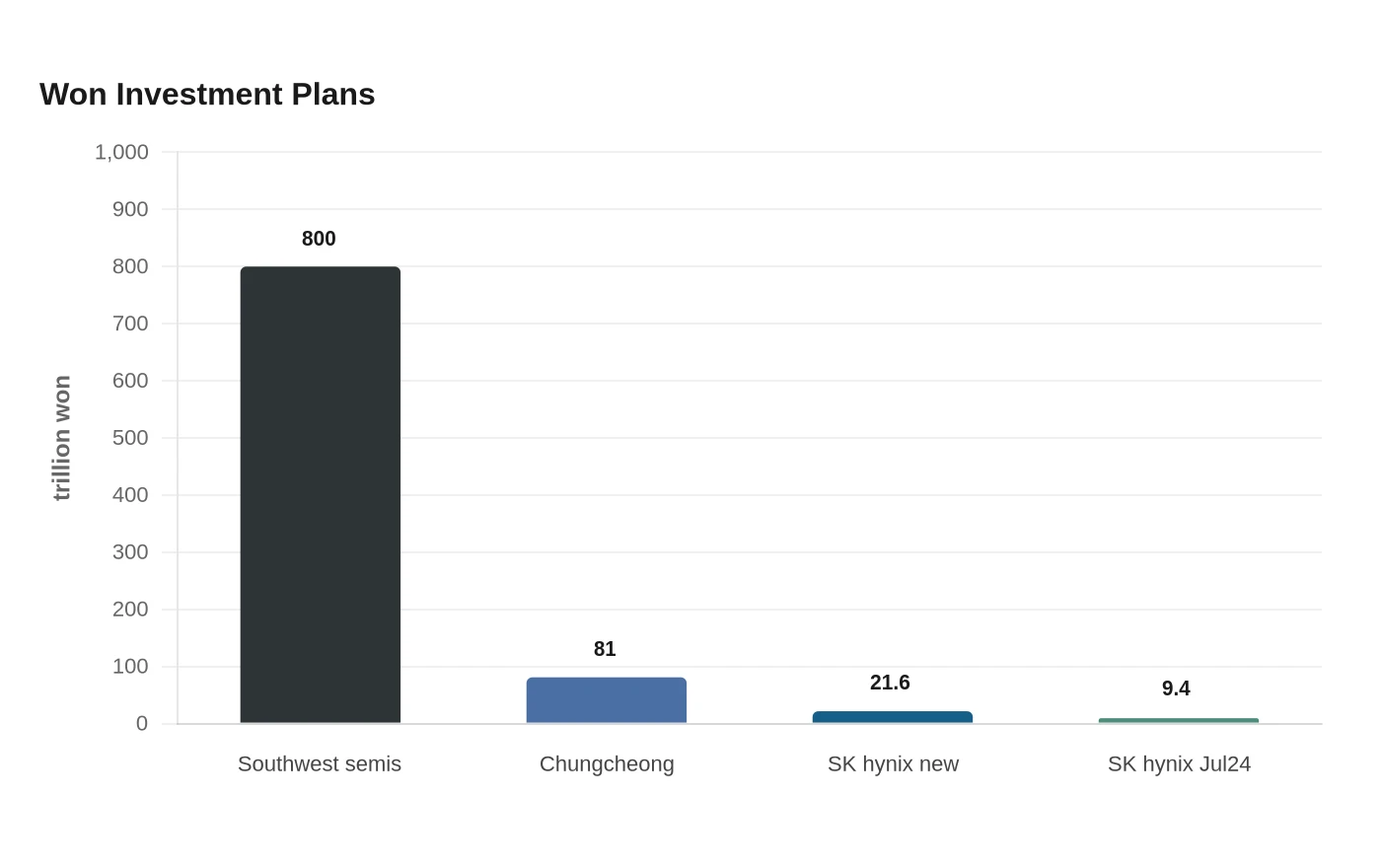
South Korea unveiled more than $576 billion in chip and AI investment and held a June 29 national report meeting at Cheong Wa Dae on three mega-projects centered on semiconductors, physical AI and AI data centers. Samsung Electronics Chairman Lee Jae-yong said Gwangju was under consideration for Samsung's next semiconductor complex, while SK Group Chairman Chey Tae-won attended the public briefing as the government framed the projects around balanced regional development beyond the Seoul metropolitan area. The broader plan includes 800 trillion won in semiconductor investment in the southwest and 81 trillion won for a packaging cluster in Chungcheong.
Yongin sits at the center of that effort. The advanced system semiconductor national industrial complex covers 7,773,600 square meters in Cheoin-gu, Yongin, and Samsung plans to build six system semiconductor fabs there, with the first targeted to begin operating in the second half of 2030. SK hynix said on Feb. 25 that it would invest about 21.6 trillion won in a new facility for the first fab by the end of December 2030, after previously announcing 9.4 trillion won in facility spending in July 2024.
Lee also said electricity would be especially important and ordered officials to address baseload supply concerns before companies hit bottlenecks. That warning lands in a country where the Honam region's power and water plans remain vague. The U.S. CHIPS Act sets aside $52.7 billion for semiconductor manufacturing incentives, China has backed its chip industry with government capital outlays, and Taiwan continues to support its semiconductor sector through long-standing subsidies and tax incentives.
Sources
- [1]money.usnews.com
- [2]finance.yahoo.com
- [3]reuters.com
- [4]koreatimes.co.kr
- [5]biz.chosun.com
- [6]news.skhynix.com
- [7]news.sbs.co.kr