Business
Lee Raymond, ExxonMobil architect of historic merger, dies at 87
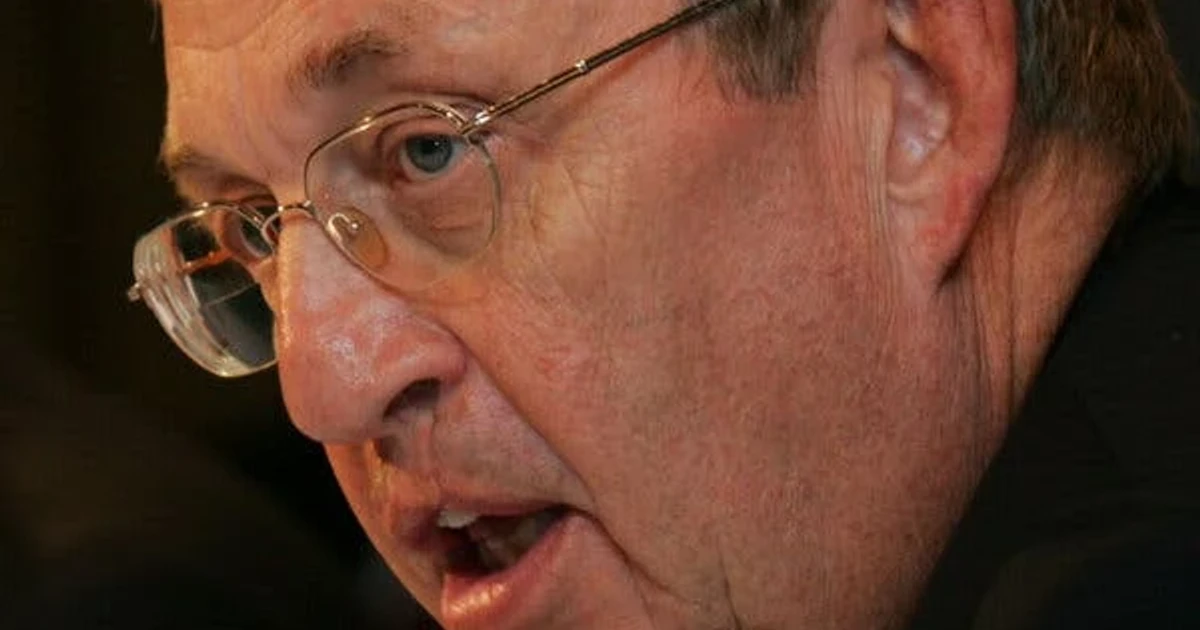
Lee Raymond, who helped turn Exxon and Mobil into the modern oil supermajor ExxonMobil and became one of the industry’s fiercest opponents of climate regulation, died June 6 in Dallas at 87. His obituary said he died of complications of pneumonia. Raymond’s career tracked the rise of a more concentrated, more disciplined oil industry, from his start at Exxon in 1963 as a production research engineer to his tenure as chairman and chief executive from 1993 to 2005.
Exxon and Mobil announced their merger in 1998 and completed it on Nov. 30, 1999. Valued at $81 billion, it was described at the time as the world’s largest privately owned oil company and one of the biggest industrial mergers in history. Raymond was the executive who helped engineer that combination, putting ExxonMobil on a path to become a model for scale, leverage and relentless cost control in an era when oil companies were under pressure to consolidate.
Born in Watertown, South Dakota, on Aug. 13, 1938, Raymond earned an undergraduate degree from the University of Wisconsin and a PhD from the University of Minnesota. He became Exxon president in 1987, and later led the combined company from 1999 to 2005. His obituary said he also served on the board of JPMorgan Chase and the board of trustees of the Mayo Clinic, was a member of the Council on Foreign Relations, the Business Roundtable and the National Academy of Engineering, and twice served as president of the American Petroleum Institute and as chairman of the National Petroleum Council.
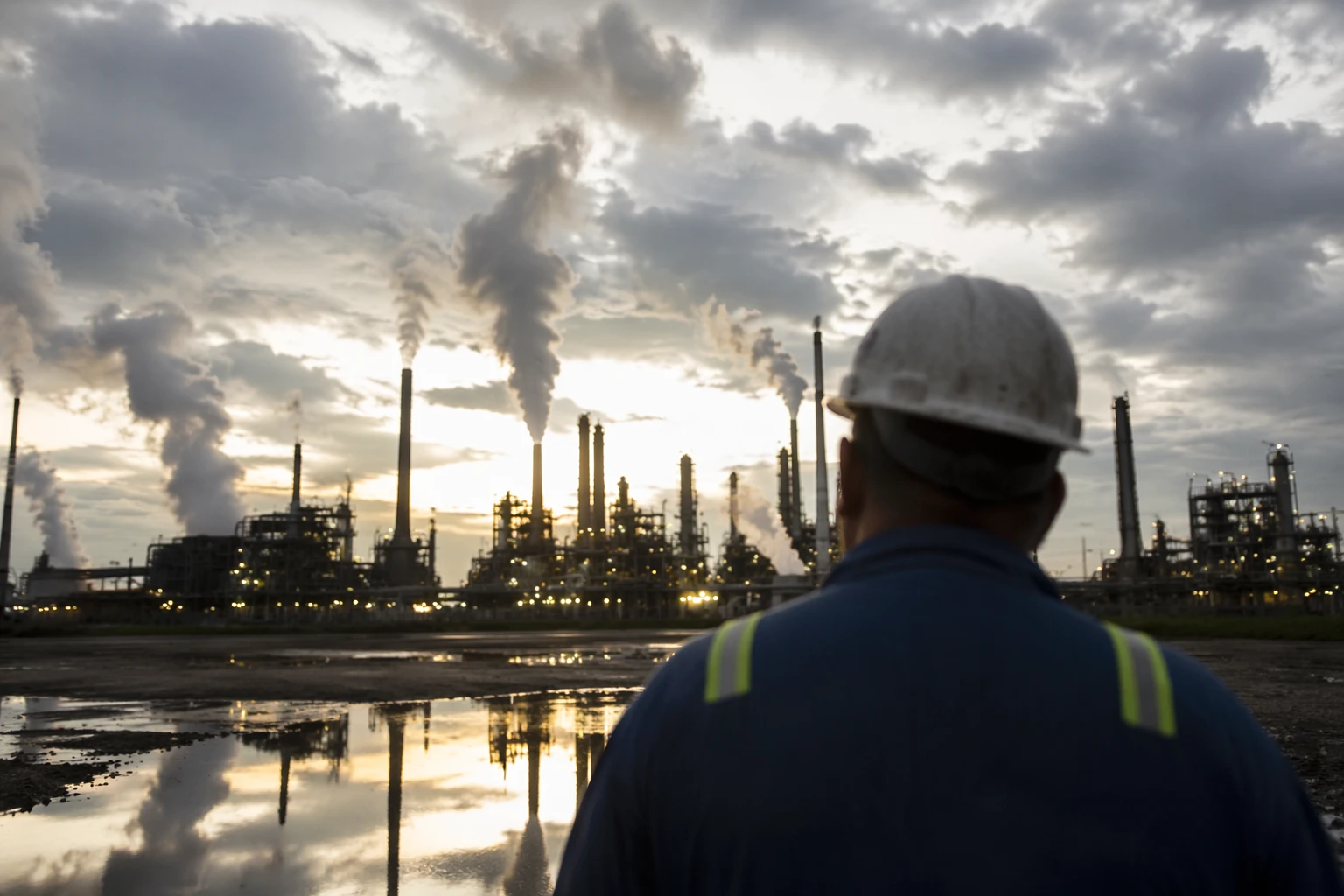
Raymond’s business record was matched by a political legacy that remains far more divisive. He was widely associated with hard-line climate skepticism and was described as one of the most outspoken corporate opponents of climate regulation, a posture that helped shape how the oil industry answered emerging climate science for years. ExxonMobil later traced its own history back through Standard Oil’s breakup in 1911 and the reconsolidation of two of its descendants, Exxon and Mobil, a reminder that Raymond’s merger was not just a corporate landmark but part of a long national story about power, energy and the price of delay.