World
Legendary Sherwood Forest Major Oak dies after centuries of decline
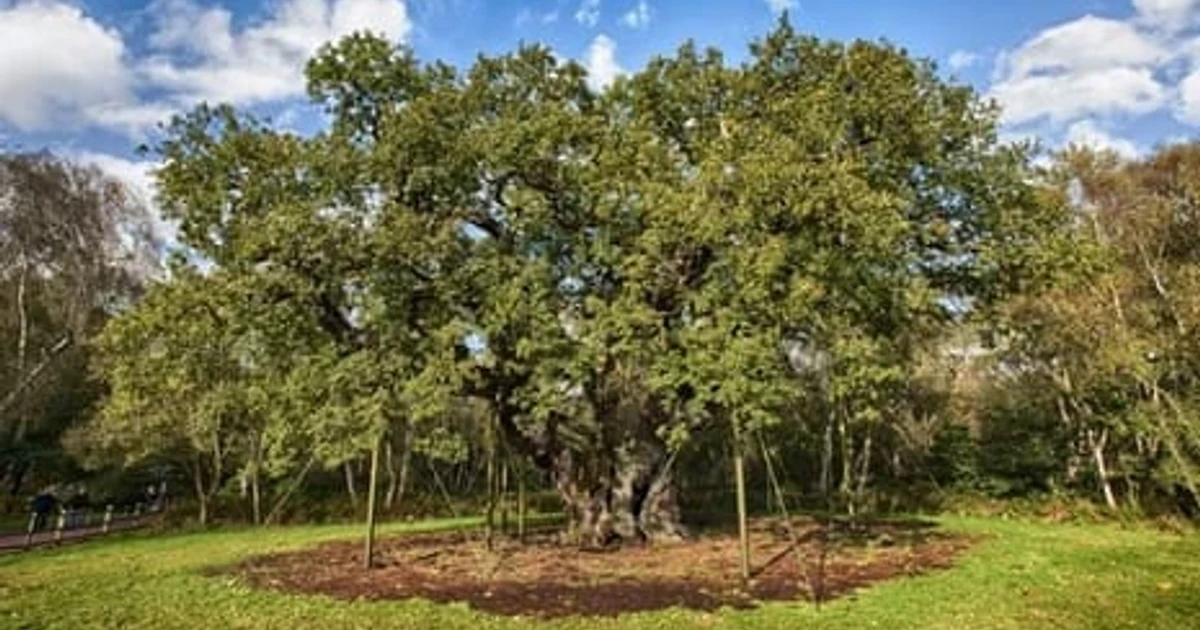
The Major Oak, the sprawling Sherwood Forest landmark tied to Robin Hood and believed to be up to 1,200 years old, failed to produce leaves this spring and is now believed to have died. For conservationists, the loss reaches far beyond one famous tree: it marks the end of a living symbol of Nottinghamshire’s heritage and a warning about how Britain protects its oldest natural monuments.
Standing at the heart of Sherwood Forest in Nottinghamshire, the oak had long been a giant by any measure, with a trunk circumference of around 11 metres and a crown stretching 28 metres. It won the Woodland Trust’s Tree of the Year title in 2014 and was the first tree recorded on the Woodland Trust’s Ancient Tree Inventory, a status that reflected both its fame and its ecological importance.
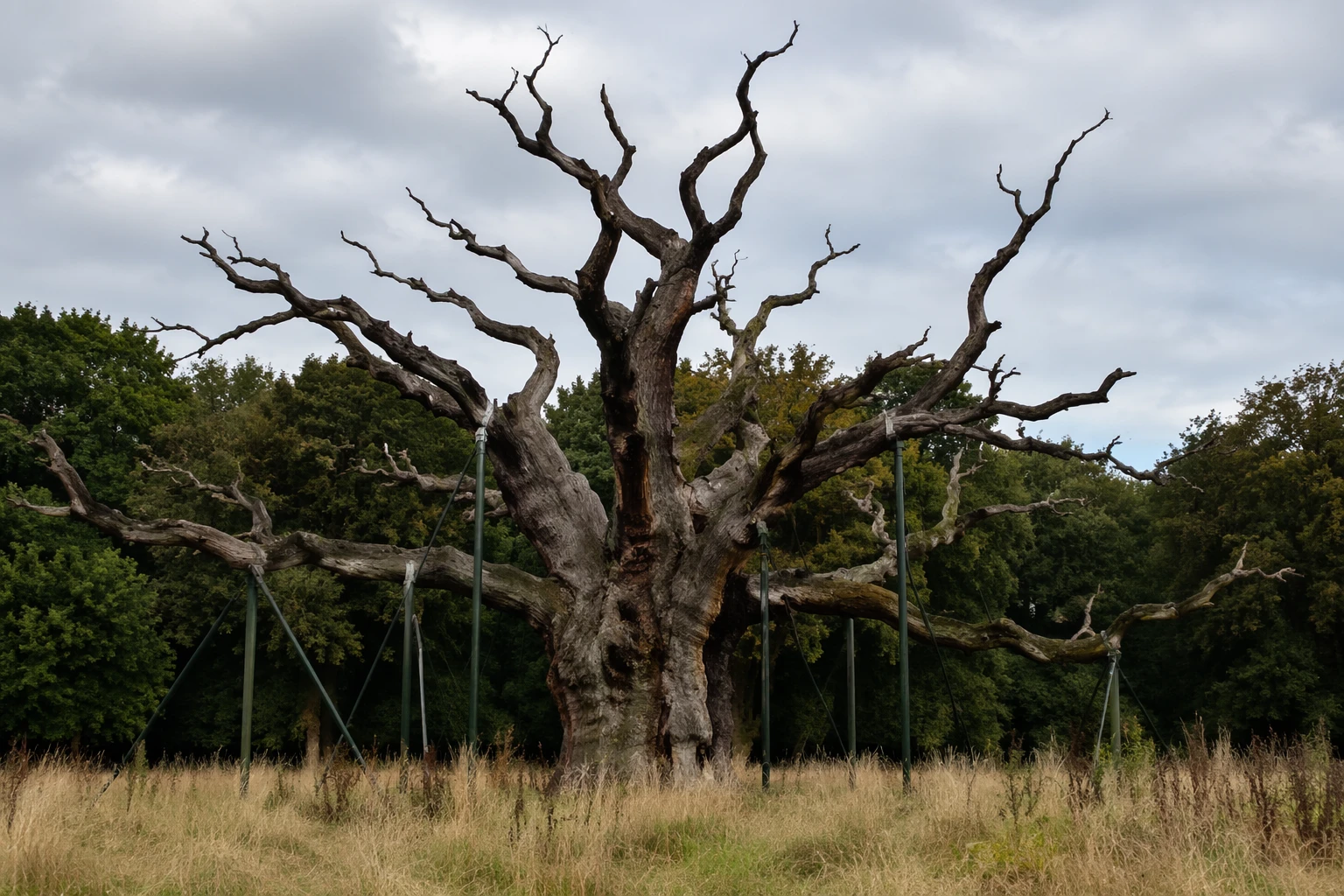
The Royal Society for the Protection of Birds, which manages the site, said the tree had been in visible decline for several years. Experts say there was no single cause of death. Instead, decades of pressure and well-meaning intervention appear to have taken a toll on a tree already deep into old age. Millions of visitors compacted the sandy soil around the roots, making it harder for water, nutrients and oxygen to reach the tree. The RSPB said preservation measures over more than a century, including metal bracing, props, concrete and coverings, may also have interfered with the tree’s natural aging process. The oak had been protected by a fence since the 1970s.
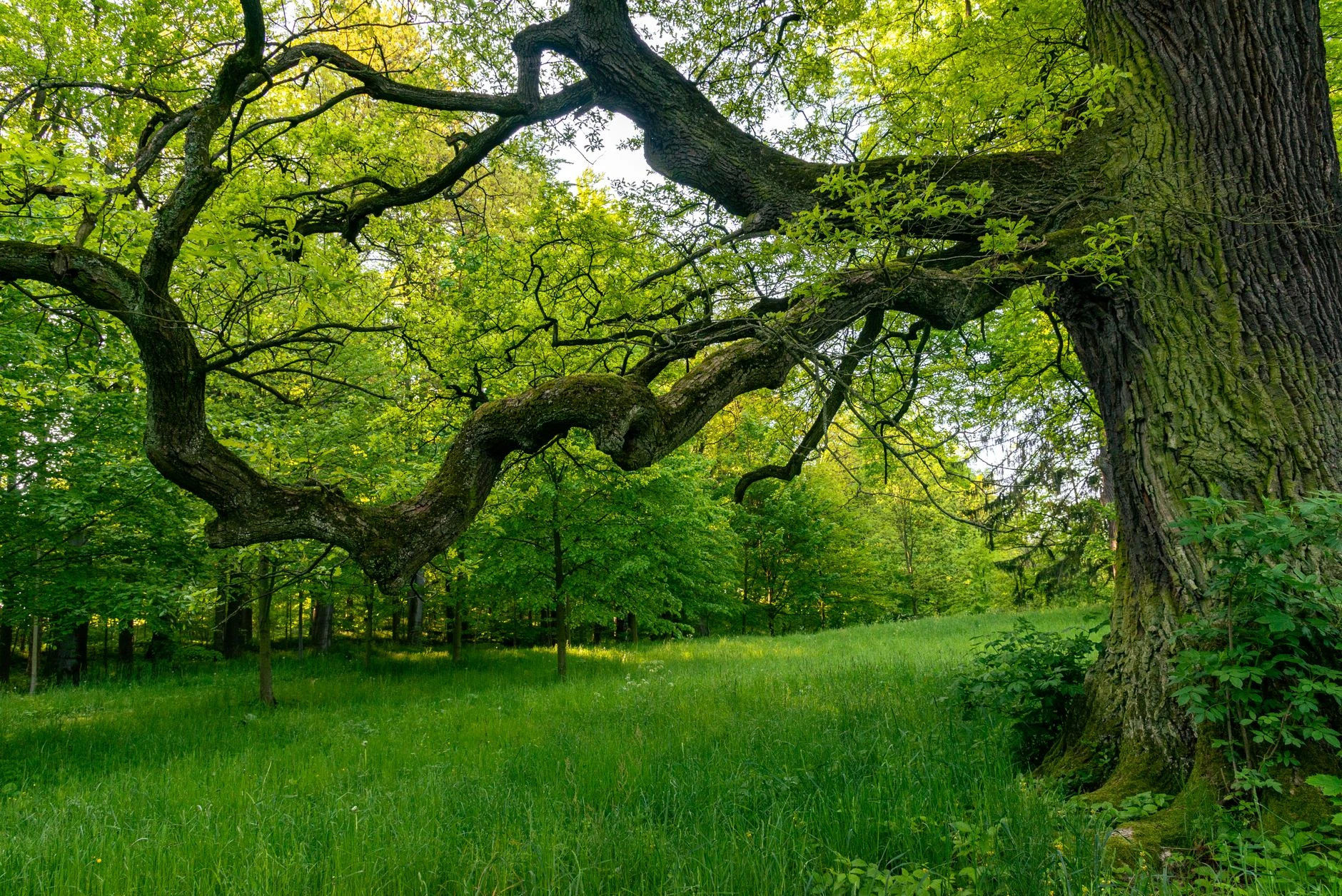
Recent investigations by the site team, working with soil scientists and arboricultural experts, found that the ground beneath the tree was extremely hard and lacking in life. They also found that the root system was much smaller and weaker than earlier scans had suggested. That points to a slow collapse, not a sudden failure, as the tree struggled to sustain itself in increasingly constrained conditions.
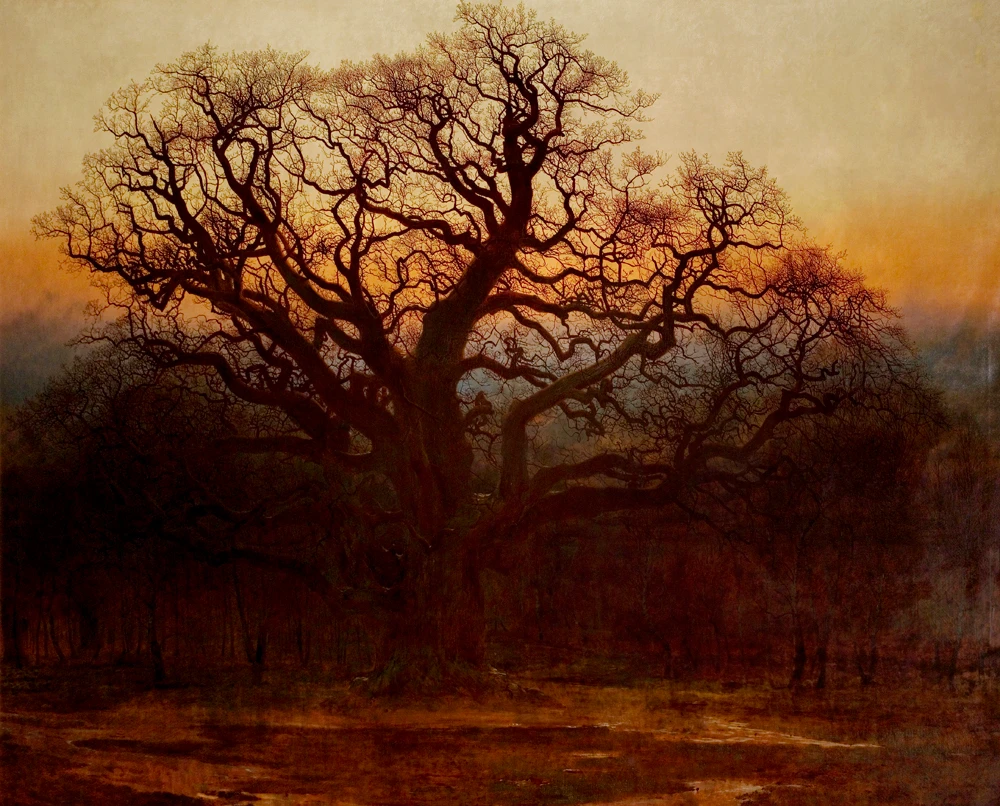
The loss carries weight well beyond Sherwood Forest. Forestry England says the forest holds one of the largest concentrations of ancient and veteran oaks in Western Europe, and more than 200 veteran oak trees are managed there. Ancient oaks provide food and shelter for hundreds of species of insects, fungi, birds and mammals, making them biodiversity powerhouses as well as cultural landmarks. The Major Oak’s legacy is now likely to continue through saplings and through the lessons its decline leaves behind for the protection of other ancient trees.
Sources
- [1]abcnews.com
- [2]rspb.org.uk
- [3]forestryengland.uk