Technology
Leica SL3-P blends high-resolution stills with 8K video power
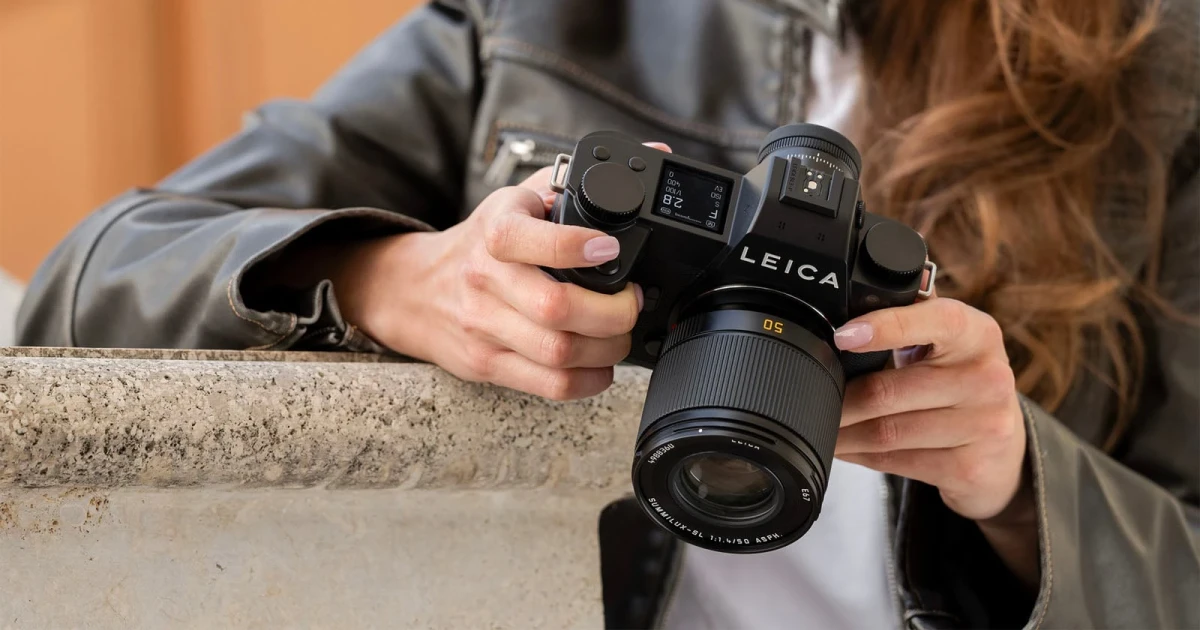
Leica has pushed its SL system into a more expensive middle ground with the SL3-P, a $6,690 camera that pairs a 44-megapixel full-frame BSI sensor with 8.1K video and a burst rate of up to 40 frames per second. The launch lands as high-end camera makers keep asking a harder question: what, exactly, justifies a luxury body when smartphones already handle casual shooting and cheaper hybrids cover much of the rest?
The SL3-P sits between Leica’s $7,485 SL3 and $5,665 SL3-S, giving the company a third full-frame option in a lineup that has been evolving since the SL-System debuted in 2015 as a photography-and-video platform. The SL3 arrived in March 2024, and the speed-focused SL3-S followed on 16 January 2025 with a 24-megapixel sensor, up to 30 frames per second, and video up to 6K. The new model tries to fuse those two directions without giving up Leica’s premium positioning.
Leica’s pitch is that the SL3-P delivers balance rather than specialization. It combines phase-detection, depth-map and object-detection, and contrast-detection autofocus, and Leica says it can track subjects at 40 frames per second. On the video side, the camera offers 8.1K Open Gate recording in 3:2 format at up to 24p, 8K at 30p using the full sensor area, 5.9K at up to 60 fps, 4K at 120 fps, and Apple ProRes support up to 5.8K. Leica also lists a 176-megapixel multishot mode, ISO 50 to 200,000, dynamic range up to 14 stops, and content-credentials support intended to preserve photo authenticity.

The hardware is wrapped in the kind of restrained design Leica has long sold as part of the experience. Like earlier “P” variants, the SL3-P omits the brand’s red dot, a small but telling signal that the company is marketing discretion as much as performance. That same logic runs through the rest of the system: the SL body is meant to sit within the broader L-Mount Alliance lens portfolio, while Leica adds two new lenses alongside the camera, the Summilux-SL 50 f/1.4 ASPH and the APO-Macro-Elmarit-SL 100 f/2.8.
In practice, the SL3-P looks aimed at a narrow slice of buyers who want a single body for stills, cinema work and the cachet of a Leica badge. That is a smaller audience than the one smartphones now serve, and Leica’s pricing makes the point plainly: the company is not selling convenience, but status, workflow and the promise that a premium hybrid can still command a premium market.
Sources
- [1]theverge.com
- [2]leica-camera.com
- [3]macfilos.com
- [4]bhphotovideo.com