Business
Lenders tighten scrutiny on data center financing as local opposition grows
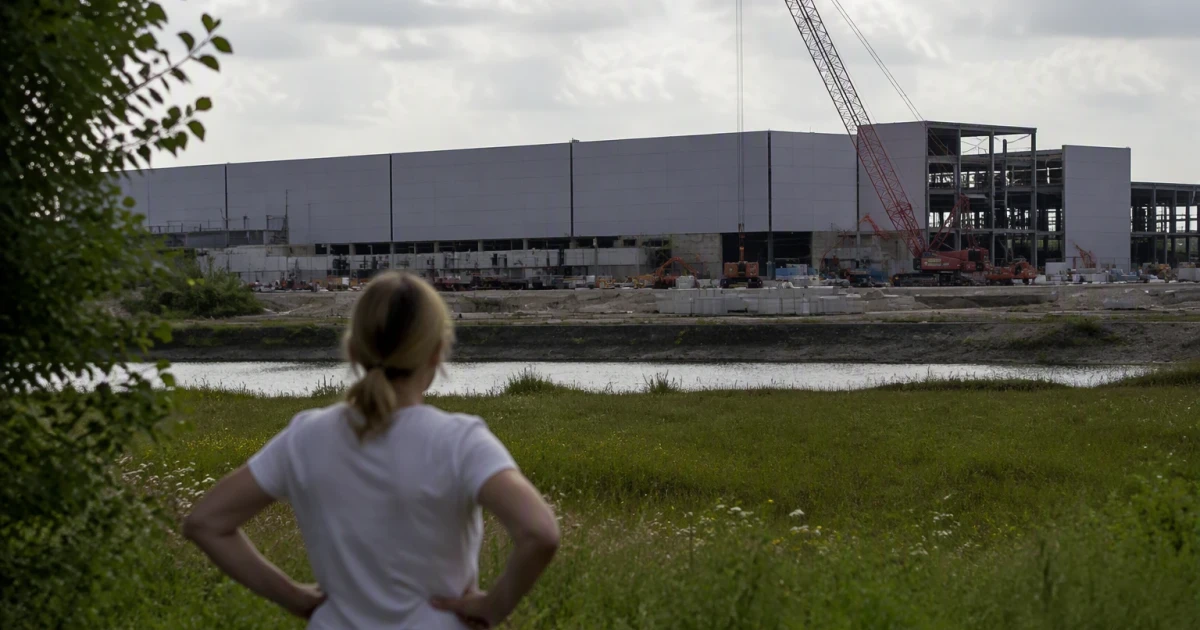
Banks are tightening scrutiny on U.S. data center financing as opposition to the projects grows, forcing developers to prove they can secure power, permits and customers before lenders commit capital. The shift shows how the AI boom is colliding with the physical demands of building and running the massive facilities that underpin cloud computing, AI training and enterprise data storage.
Data centers have become one of the hottest asset classes in commercial real estate and project finance because they require dedicated space, huge amounts of electricity and substantial cooling capacity. That demand has drawn lenders toward a market tied to long-term digital infrastructure growth, but it has also made the projects unusually exposed to local fights over land use and utilities.
Residents, public officials and utility regulators are raising concerns about energy consumption, water use, noise, traffic during construction and whether the projects deliver enough benefit to surrounding communities. Opposition has become visible on the ground, including a nationwide protest against data centers in Fredericksburg, Virginia, on July 18, 2026, as communities push back against a buildout that can reshape neighborhoods long before a single server comes online.
Those concerns are feeding back into credit decisions. Banks and other financiers are looking more closely at whether a project has the permits, grid connections, customer contracts and environmental approvals needed to survive delays or litigation. That has translated into tougher underwriting, tighter covenants and more attention to whether developers can demonstrate reliable power and a clear path to completion.
The pressure is rising at the same time that demand for AI-related infrastructure keeps accelerating, while utilities in some regions warn that power generation and transmission are already constrained. If lenders become more cautious, some developments may take longer to finance, move forward in phases or shift to regions with cheaper land and more available electricity. The result is a market that still sees strong appetite for digital infrastructure, but now treats data centers as a capital-intensive industrial buildout with political, environmental and community risks attached.
Sources
- [1]reuters.com