World
Leopard attacks shop worker in Rajasthan liquor store, captured after five hours
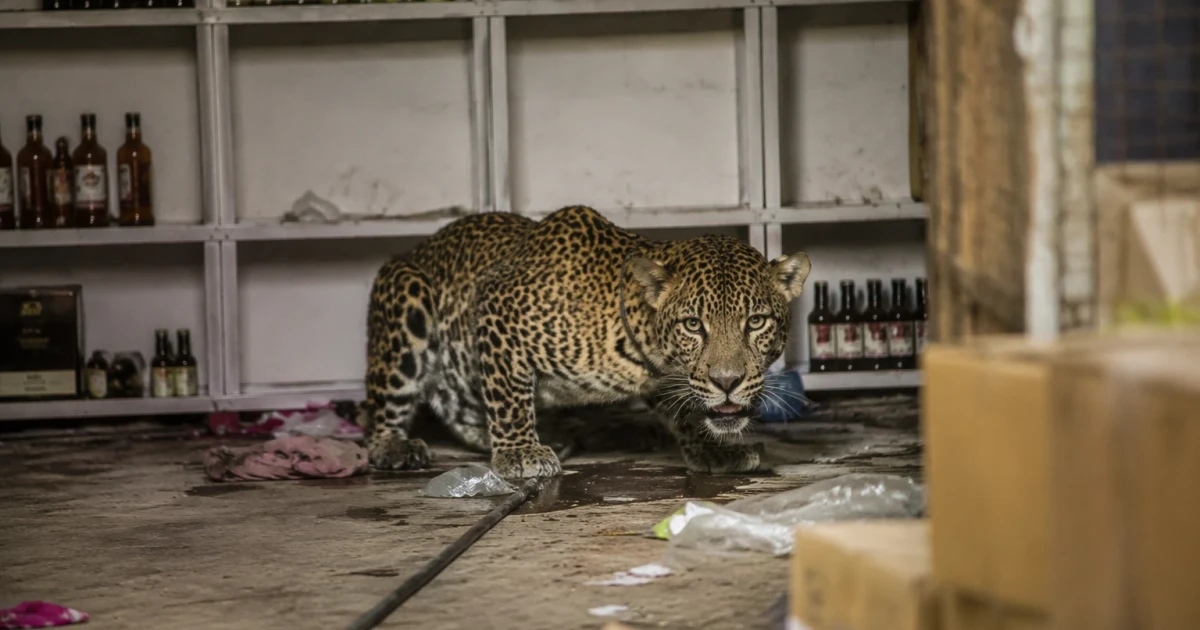
A leopard stormed into a liquor store in Todaraisingh town in Rajasthan’s Tonk district, leapt over the counter and attacked worker Sanjay Gurjar before forest officials caught it after about five hours. The Forest Department rescue team took the animal away, and local authorities later confirmed it was released back into the wild.
CCTV footage from the shop showed the leopard running inside and pouncing on Gurjar in the middle of the commercial area. The store owner said Gurjar was not badly injured, and other accounts said the injuries in the encounter were minor. The speed of the attack, and the fact that it unfolded inside a small liquor store rather than on a forest road or field edge, put the incident at the center of a familiar and growing problem in Rajasthan: people and leopards now meet more often in spaces that were once clearly separated.
Todaraisingh’s scare fits a wider pattern across the state. In Jaipur, officials have recorded seven leopard movements in residential colonies over the past year, and Rajasthan authorities have said they were taking several steps to prevent leopards from straying into residential areas. Conservation coverage in the region has tied such incidents to shrinking buffer zones and increasing pressure on natural habitats, while broader studies of urban leopards in India have described the blurred boundaries between forests and cities and the fierce competition for resources that pushes wildlife toward settlements.
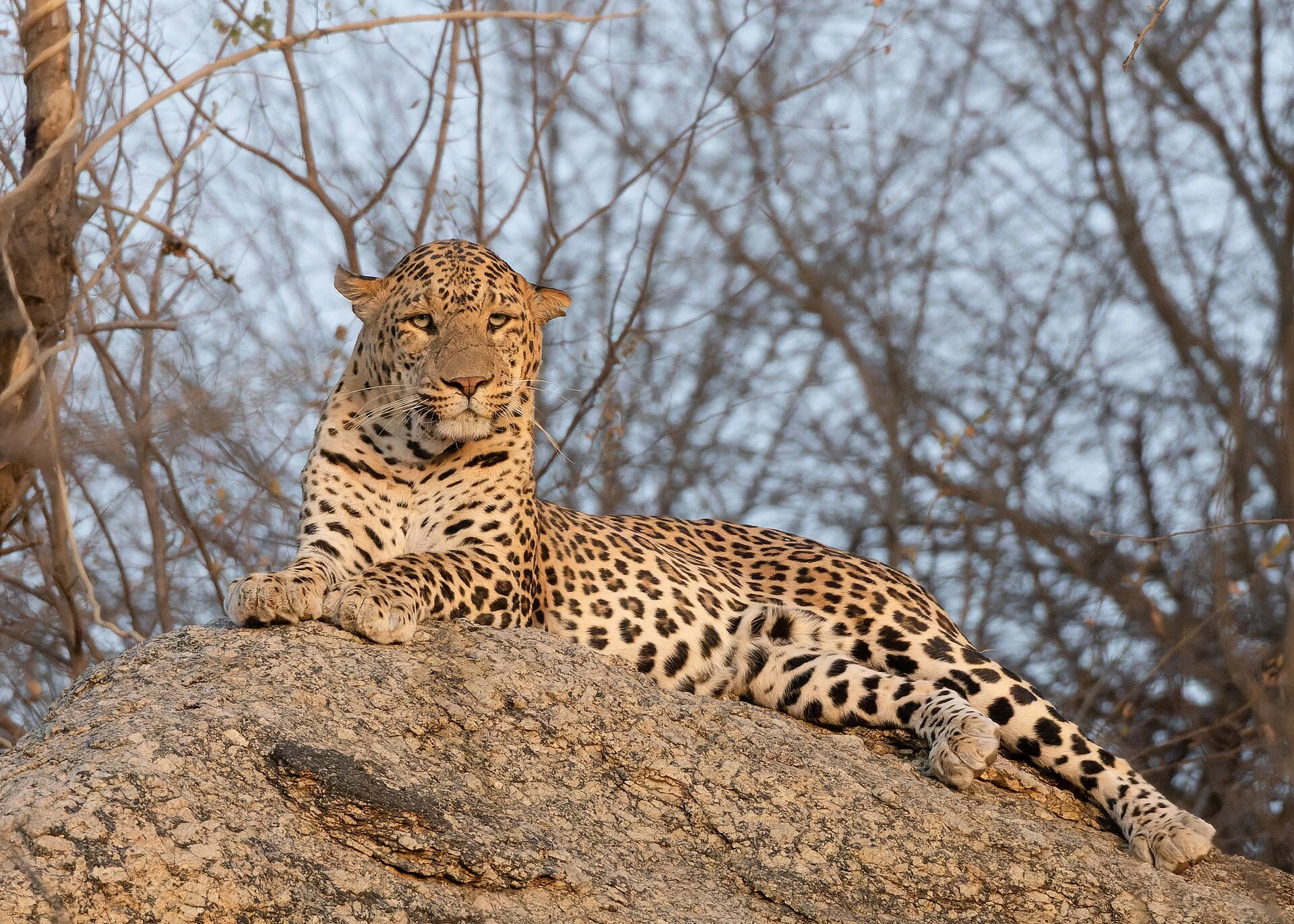
That pressure creates a different kind of public-safety challenge for towns like Todaraisingh. When a leopard slips into a market street or shop, the danger is not only to the person it attacks first, but to everyone nearby who is forced to improvise a response before trained wildlife staff arrive. In this case, the rescue ended with the leopard removed from the store and the worker able to leave with only minor injuries, but the five-hour operation showed how quickly a populated commercial block can turn into a conflict zone when habitat is squeezed and escape routes narrow.
Sources
- [1]bbc.co.uk
- [2]aol.com
- [3]metro.co.uk
- [4]facebook.com
- [5]nypost.com
- [6]cnn.com
- [7]edition.cnn.com