Business
Leopold Aschenbrenner’s AI fund surges, then stumbles after rapid growth
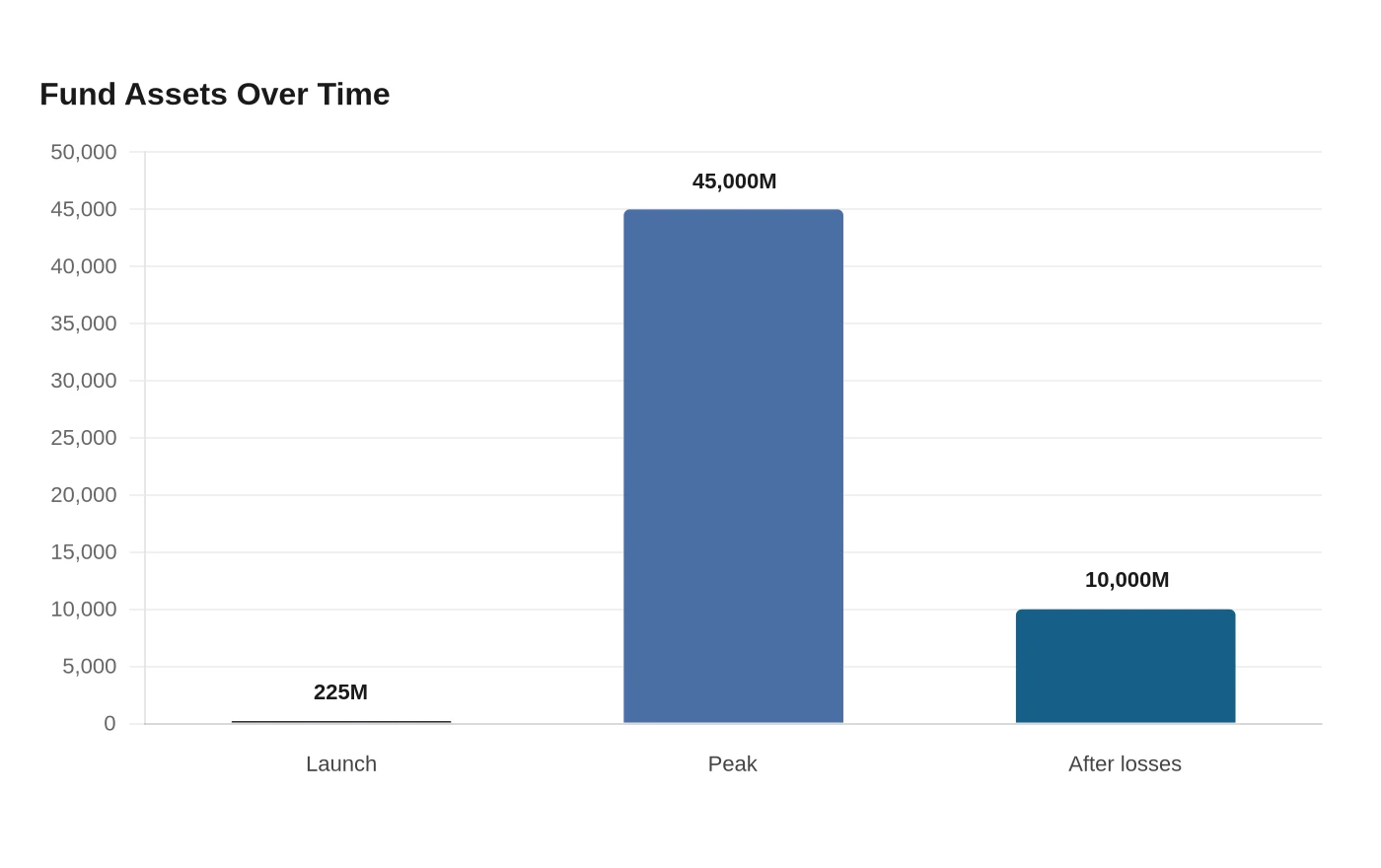
Situational Awareness unwound all of its public stock positions after steep losses, and assets fell to $10 billion as Leopold Aschenbrenner’s AI-focused hedge fund ran into a sharp reversal. The fund had sold most or all of its public equity holdings in a single block trade to Citadel after backing out of a planned $3.5 billion sale of Anthropic shares.
The setback hit a manager who had moved fast from AI commentator to market force. Aschenbrenner, 24, founded Situational Awareness around artificial general intelligence, and the firm lists Patrick Collison, John Collison, Nat Friedman and Daniel Gross as anchor investors. Before that, he worked on OpenAI’s Superalignment team and researched long-run economic growth at Oxford’s Global Priorities Institute. The firm says he originally hails from Germany and now lives in the San Francisco Bay Area, while a Stanford Digital Economy Lab fireside chat with Erik Brynjolfsson on Sept. 30, 2024, helped put his “Situational Awareness” thesis in front of a wider audience.

The fund’s climb was as fast as its fall. It launched in late 2024 with about $225 million, when Aschenbrenner was 22, and one account put it up 439% by the end of June before the reversal. Another estimate said the firm had peaked at about $45 billion before the selloff. A WhaleWisdom profile based on an April 27, 2026 Form ADV listed $9.278 billion in discretionary assets under management and two clients, underlining how quickly the operation had scaled from a niche AGI bet into a major Wall Street position.
The firm was operating with only four investment professionals and eight employees in total, a lean setup for a vehicle that became one of the most talked-about trades in the AI boom. In a letter to investors, Aschenbrenner wrote, “We let you down this month.” He has stopped using borrowed money, though he did not rule out using leverage again later. The Anthropic stake remained a major offset to the public-market losses, and the IPO he had pointed to as a catalyst was still weeks away.
The episode has already drawn comparisons with Long-Term Capital Management, Archegos and Amaranth Advisors, because the damage was not just about one bad stock call. It showed how quickly a compelling founder story, a crowded AI trade and concentrated leverage can turn a fast-growing niche fund into a cautionary tale for the broader market.
Sources
- [1]nytimes.com
- [2]situational-awareness.ai
- [3]digitaleconomy.stanford.edu
- [4]whalewisdom.com
- [5]cnbc.com
- [6]bloomberg.com
- [7]wsj.com
- [8]businessinsider.com
- [9]inc.com
- [10]techcrunch.com