Lifestyle
Lesotho’s snowy peaks draw skiers to sub-Saharan Africa
Lesotho’s winter pitch rests on altitude as much as novelty. The landlocked kingdom is surrounded by South Africa, but its terrain rises so sharply that BBC News says many villages can be reached only on horseback, by foot or light aircraft. The government calls Lesotho a high-altitude kingdom and places Thabana Ntlenyana at 3,482 meters, a height that helps explain why snow sports can exist in a country most travelers do not associate with skis.
A ski resort built on elevation
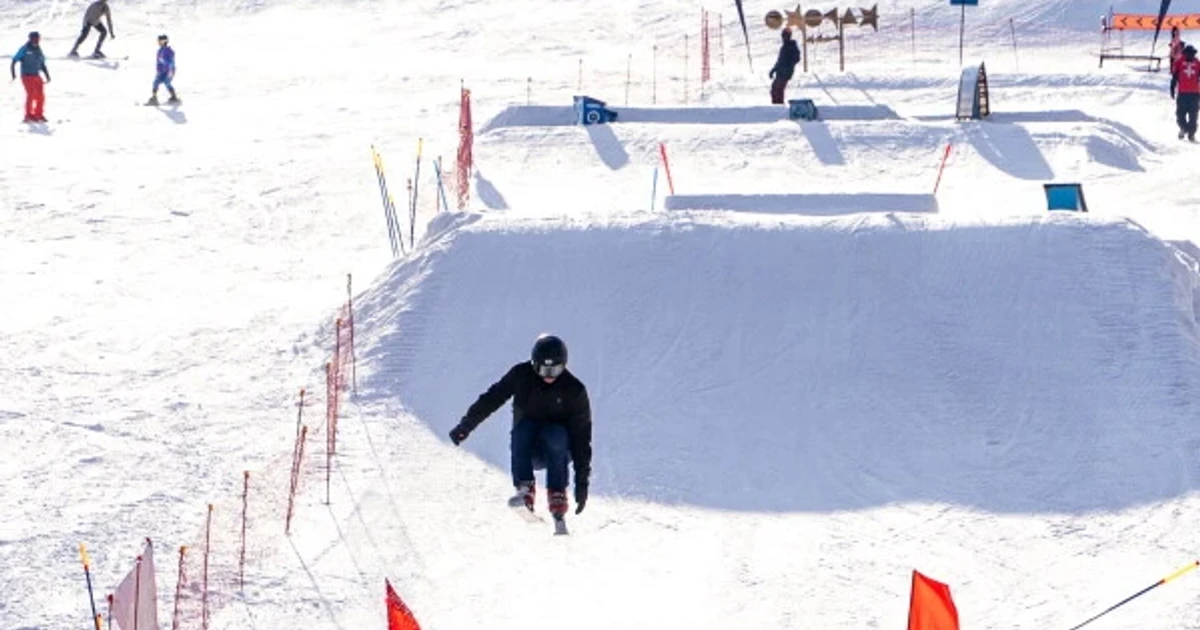
Afriski Mountain Resort sits in the Maluti Mountains and has become the center of this unusual tourism niche. It is the only fully operational ski resort in sub-Saharan Africa, and snow-forecast.com lists it at about 3,070 meters above sea level. Resort guides say it has four lifts, while outside reporting puts its ski terrain at about 17 hectares, a modest footprint by global standards but enough to make skiing possible in a region where the activity is rare.
The resort’s own site says it offers winter activities and summer adventures, a clear attempt to turn a seasonal curiosity into a year-round business. That matters in Lesotho, where a one-season attraction would struggle to justify the investment needed to maintain lifts, accommodation, and transport links in a country whose appeal depends on rugged geography and cold weather.
How the business reaches beyond novelty
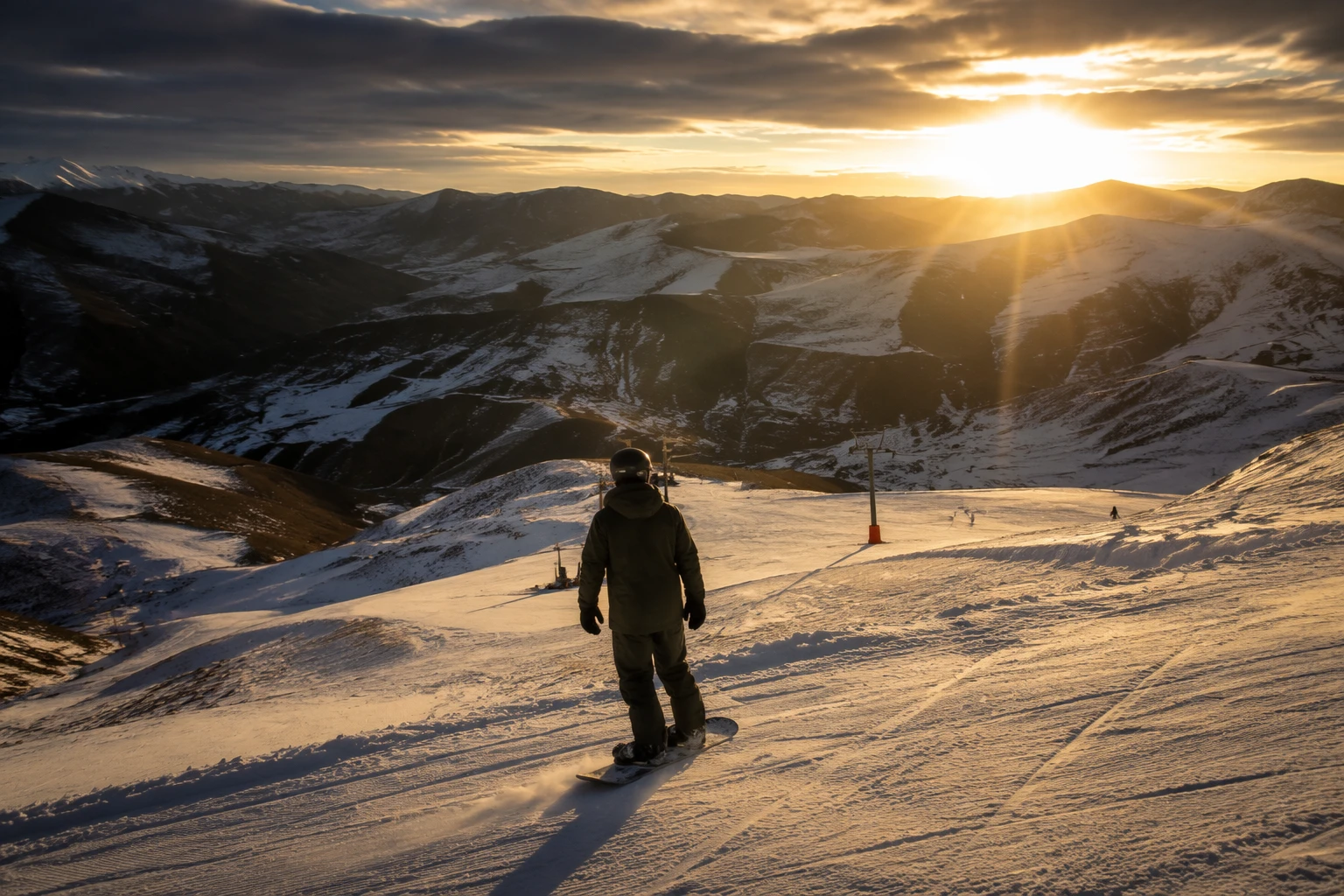
The appeal is not only scenic. AP-linked reporting says Afriski now employs 227 full-time and seasonal workers, nearly all of them Lesotho nationals, with about 30 South Africans working mainly as skiing staff. That staffing pattern shows a local employer trying to anchor an imported sport in a domestic economy, while still relying on some outside expertise for the technical side of skiing.
That balance has been part of the resort’s survival strategy for years. The Guardian reported in 2021 that Afriski had to adapt its business model to keep workers employed during the off-season. Year-round activities are therefore more than a marketing flourish. They are a way to smooth out income in a place where a short winter window would otherwise leave many employees exposed when the snow melts.
Why Lesotho is marketing snow at all
Visit Lesotho, the country’s tourism promotion site, now has a skiing category and promotes Afriski as a destination. That kind of branding matters because Lesotho is trying to sell a very specific story: not mass tourism, but a highland experience that is unusual enough to draw regional and international visitors looking for something they cannot find in the more familiar resort circuits of Europe or North America.
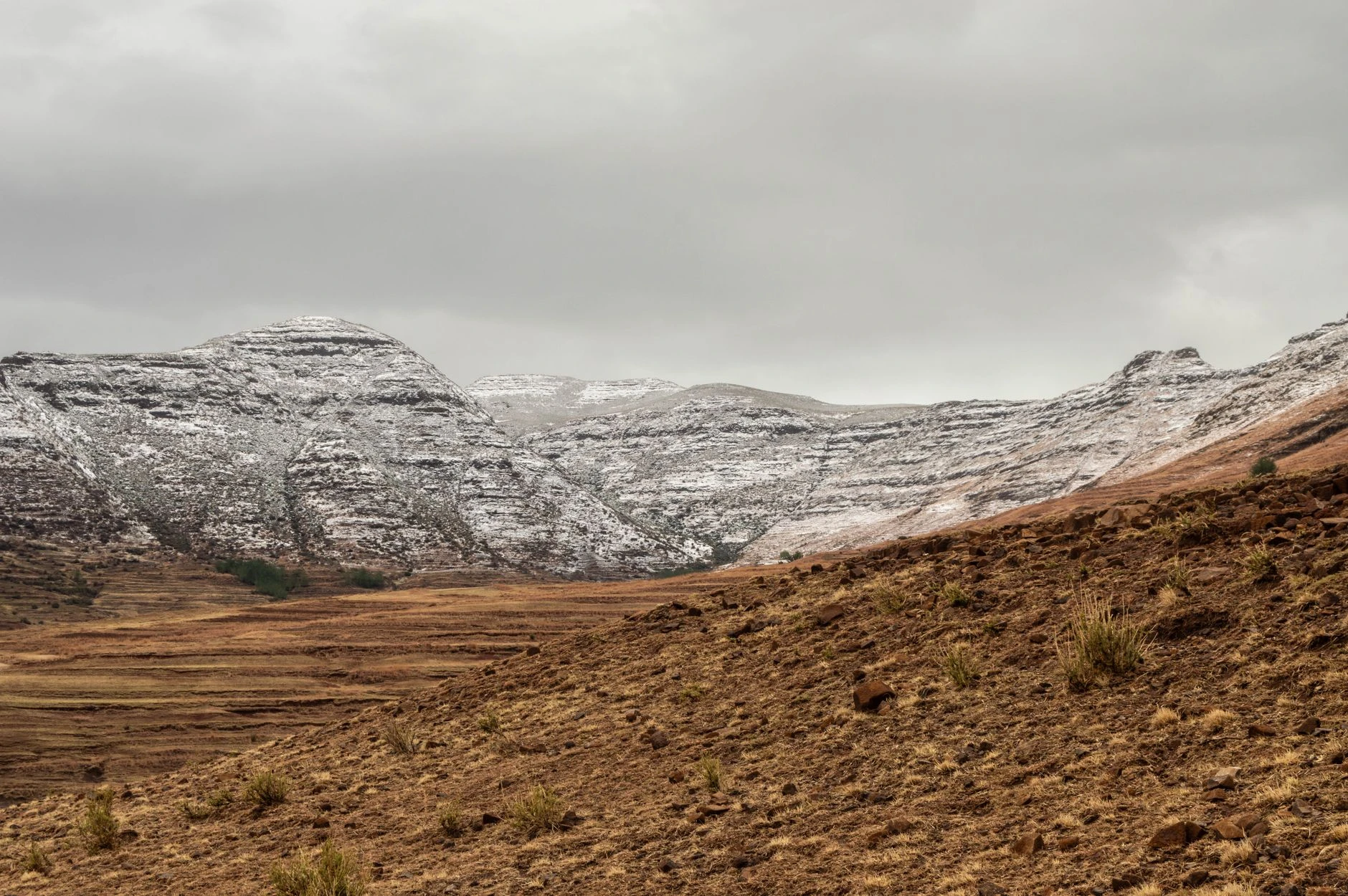
The country’s wider identity helps that pitch. Lesotho is often described as the “Kingdom in the Sky,” and its mountains give it a geographic advantage that few African destinations can match. Instead of competing on beaches or safaris, it is positioning itself around altitude, cold air, and a ski slope that exists where most people would not expect one.
The climate question sits underneath the attraction
That advantage is also the risk. A 2022 academic paper on snow-based tourism in Afriski examined the resort in the context of climate change and tourism suitability in the Eastern Lesotho Highlands. The implication is straightforward: ski tourism in Lesotho depends on a delicate combination of elevation, temperature, and seasonal snow, and that combination can shift quickly if winters warm or weather patterns become less reliable.
Infrastructure adds another layer of fragility. A country where many villages are still reached only by horseback, foot, or light aircraft is not an easy place to build a seamless ski economy. Roads, services, and emergency access all become part of the tourism story, especially when a destination is far from the standard transport networks that support larger winter resorts elsewhere.
What makes the model sustainable, and what does not
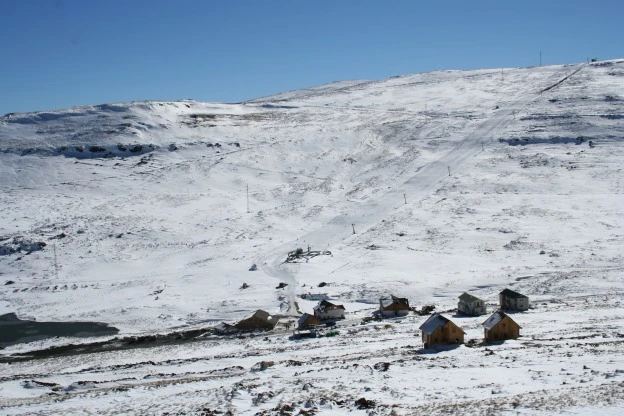
Afriski’s future looks most realistic as a niche industry, not a mass market. Its four lifts, 17 hectares of terrain, and 3,070-meter altitude give it a real mountain product, but not the scale to compete with major ski destinations. Its strength lies in being different enough to attract visitors, while its sustainability depends on using that difference across more than one season.
The strongest signs of durability are local employment, diversified activities, and official tourism backing. The weakest are the same features that make it special: a narrow climate window, remote access, and dependence on weather that snow-based tourism research already flags as vulnerable. For Lesotho, the ski slope is both a revenue stream and a test of whether a country can turn a rare geographic asset into lasting economic value without letting the novelty outrun the infrastructure that supports it.
Sources
- [1]apnews.com
- [2]bbc.com
- [3]gov.ls
- [4]fox59.com
- [5]theguardian.com
- [6]oulurepo.oulu.fi
- [7]visitlesotho.org.ls
- [8]afriski.africa
- [9]snow-forecast.com
- [10]usnews.com