World
Libya’s eastern government bans entry from four African countries

Libya’s eastern-based authorities barred nationals of Sudan, Eritrea, Ethiopia and Somalia from entering through land, sea and air ports, a sweeping restriction that immediately sharpened the country’s role as a migration gatekeeper on the central Mediterranean route. The decree, issued by the Benghazi-based administration on June 23, came with narrow exemptions for accredited diplomatic and consular personnel, their families, and some education and medical or allied health workers with approvals and valid contracts.
The move reflected more than a border decision. It underscored how Libya’s divided political order continues to shape who can move, work and seek safety inside the country. The eastern administration is aligned with military commander Khalifa Haftar, who controls eastern Libya and much of the south, while the internationally recognized Government of National Unity remains in Tripoli. That split, which hardened after the 2014 factional rupture following the uprising that ousted Muammar Gaddafi, has made migration policy a weapon of authority as much as an immigration rule.
The stakes are high because Libya remains a major transit and destination country. The International Organization for Migration estimated that 936,134 migrants were present in Libya in January and February 2026, a scale that keeps pressure on local authorities and on the routes leading north toward Europe. UNHCR has said the country continues to serve as both a destination and a transit point, while Sudan’s war has driven a growing influx of Sudanese refugees into Libya.
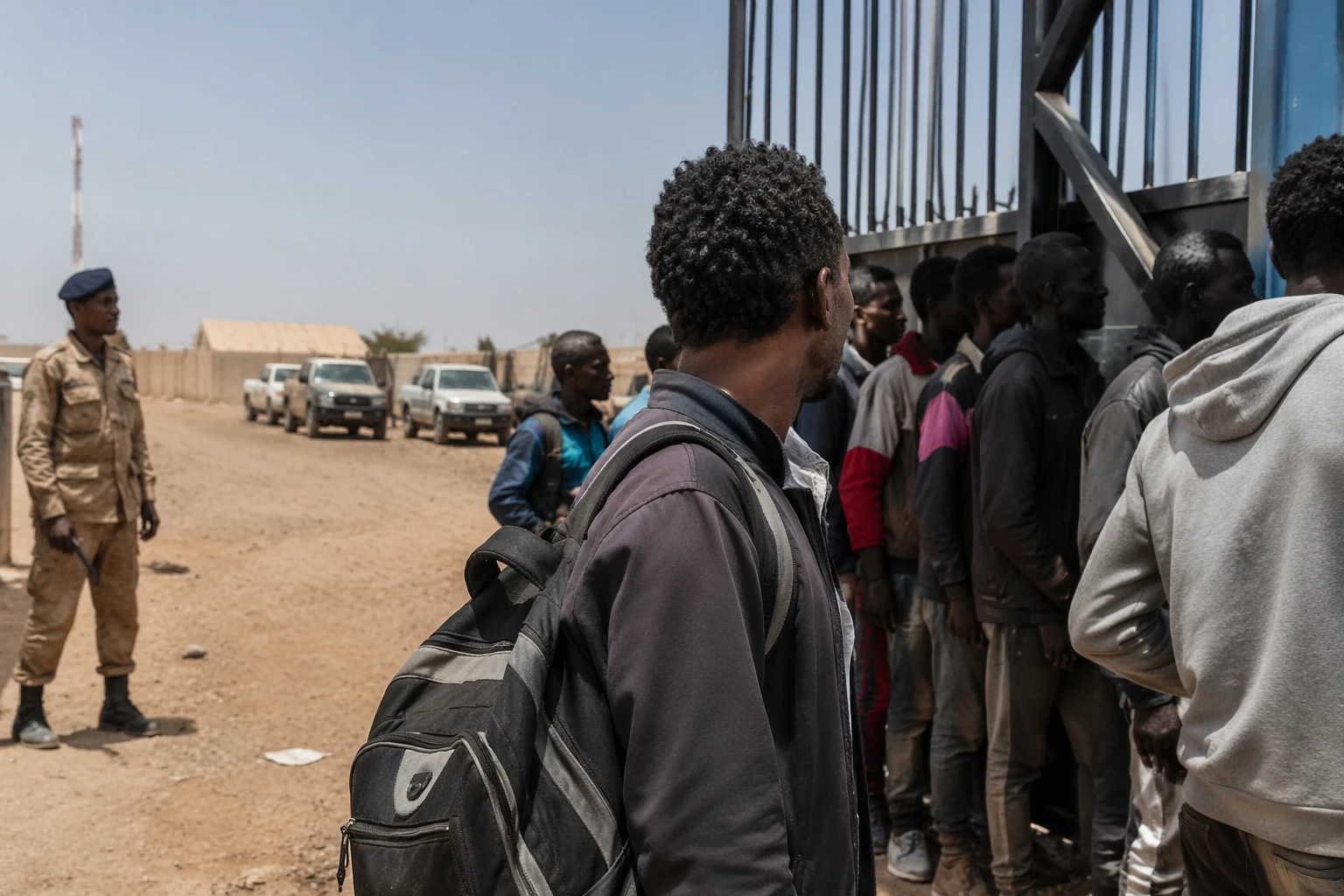
That influx is visible in the border data. IOM’s January-to-March 2026 trend figures showed that 36% of observed migrants at Libya’s borders came from Sudan, followed by other nationalities moving through the same corridors. The agency also found that 81% of land arrivals reported relying on migration facilitators, a sign that tighter restrictions can feed the market for smugglers and raise the cost and danger of the journey.
The human rights picture remains grim. In February, UN human rights investigators described migrants in Libya as trapped in a “violent business model” of abuse that includes slavery, torture, sexual violence, extortion and forced labour. UNHCR’s March and April updates recorded continued interceptions and rescues at sea, including many Sudanese nationals, while Amnesty International said on June 23 that authorities in both eastern and western Libya had intensified arrests, detentions and expulsions in the previous month.
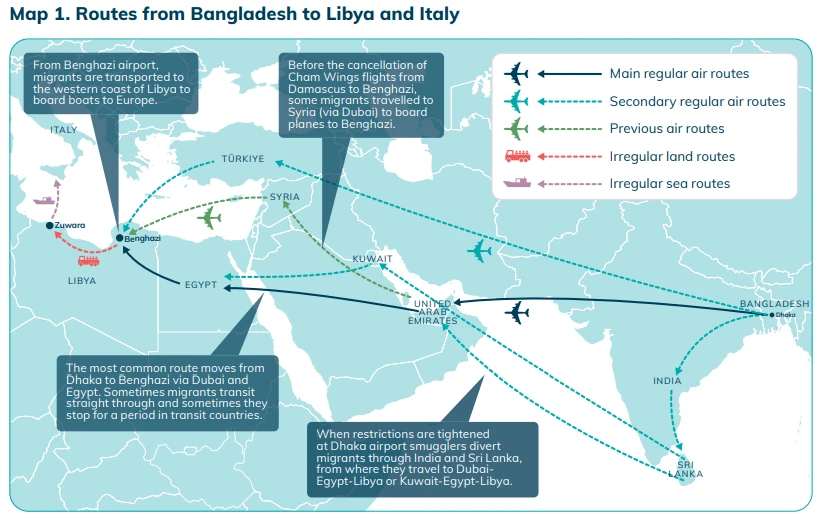
For Sudanese, Eritrean, Ethiopian and Somali nationals, the ban added another layer of uncertainty to an already perilous route. For Libya’s eastern rulers, it was also a signal that migration control remains one of the few levers of power they can still project across a fragmented country.
Sources
- [1]usnews.com
- [2]lana.gov.ly
- [3]dtm.iom.int
- [4]unhcr.org
- [5]ohchr.org