Health
Life After Leprosy: Why Survivors Remain in Colonies Even After a Cure
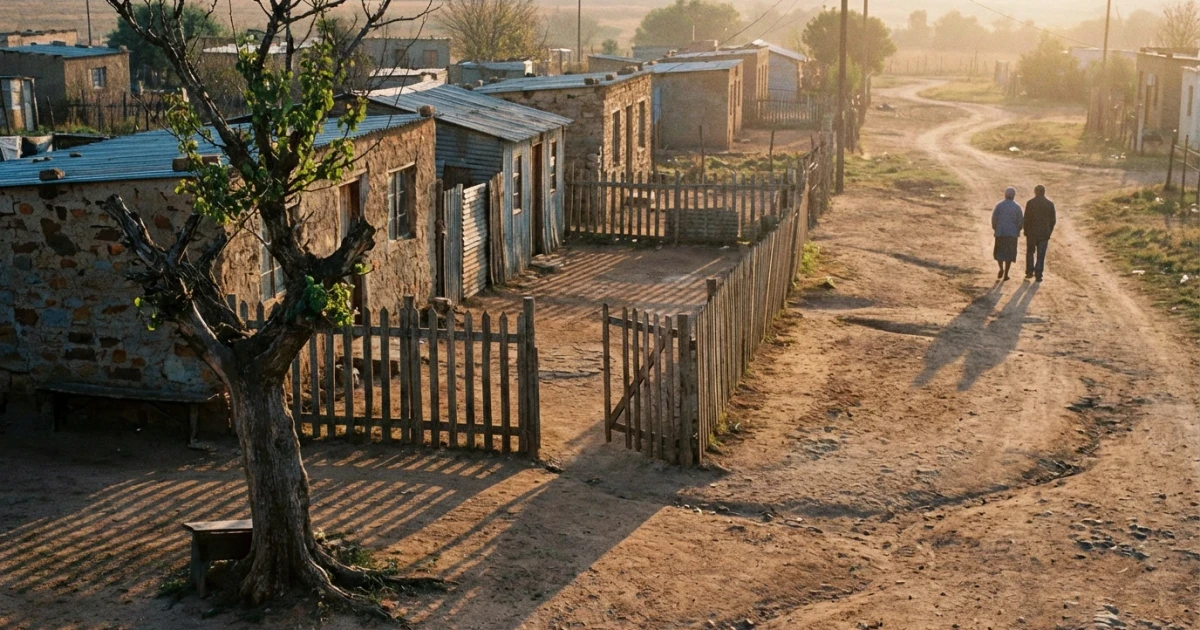
Despite medical advances rendering leprosy curable, thousands of survivors remain in isolated colonies, separated from mainstream society. The persistent question is: Why do so many cured individuals still live apart?
The Legacy of Leprosy Colonies
Leprosy, also known as Hansen’s disease, was once one of the world’s most feared infectious illnesses. Historically, individuals diagnosed with leprosy were often forcibly separated from their families and communities, sent to dedicated leprosy colonies where they could receive treatment—at a time when the disease was not well understood and effective therapies were unavailable.
Today, leprosy is entirely curable through multidrug therapy. According to the World Health Organization, more than 16 million people have been cured globally since the 1980s. Yet, for many, the colonies established generations ago remain home.
Stigma: The Barrier Beyond Cure
One of the main reasons cured individuals stay in leprosy colonies is enduring social stigma. Despite being medically cleared, leprosy survivors often encounter discrimination in employment, housing, and even within their own families. The fear that leprosy is highly contagious—despite scientific evidence to the contrary—persists in many communities, making reintegration difficult.
- Leprosy is no longer highly contagious once treatment begins.
- Visible disabilities caused by the disease can make survivors targets for prejudice.
- Many face legal and social barriers, including laws in some countries that restrict the rights of those affected by leprosy.
As a result, colonies have become safe havens where survivors live without fear of ostracism. These communities provide not just shelter, but social support, shared experience, and a sense of belonging that is often lacking outside their walls.
Economic and Practical Challenges
Beyond stigma, economic hardship plays a significant role in keeping survivors in colonies. Many leprosy survivors have disabilities that limit their ability to find work and support themselves. In the colonies, residents may receive food, shelter, and sometimes small stipends from local governments or NGOs. Outside, opportunities can be scarce, especially for those with limited education or work history due to long-term isolation.
Furthermore, decades of life in a colony can sever connections to home villages or families. Some survivors may have no family left to return to, or their families may not accept them back. The colonies, for all their challenges, offer a network of social relationships built over years.
Hope for Change and Integration
International health organizations and advocacy groups continue to push for the full social and economic integration of leprosy survivors. Efforts include public education campaigns to dispel myths, updating discriminatory laws, and providing vocational training for those affected. Success stories are emerging where survivors have been welcomed back into society, but change is slow and uneven.
Conclusion: A Call for Compassion and Inclusion
While the medical battle against leprosy has been largely won, the social struggle continues. Addressing stigma, discrimination, and economic marginalization is critical to ensuring that those cured of leprosy are not left behind. As society’s understanding deepens, the hope is that all survivors can find a place in the world beyond the boundaries of the colonies that once defined their lives.
Sources
- [1]NPR