Health
Life After the ICU: Challenges Facing Survivors
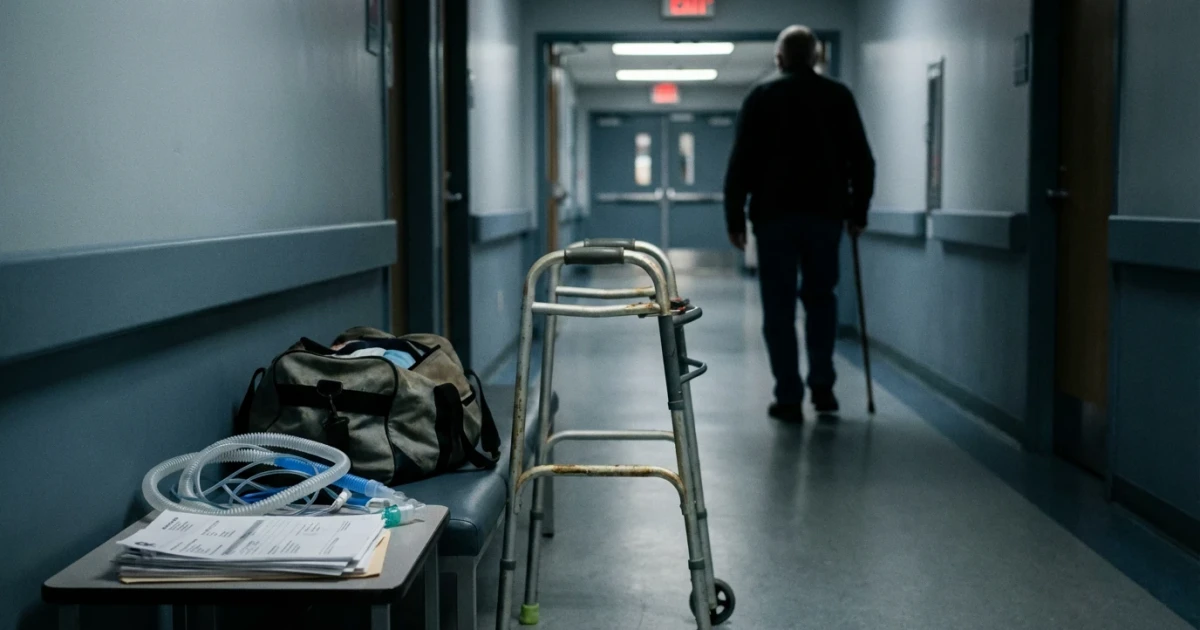
Leaving the intensive care unit (ICU) is often seen as a victory for critically ill patients, but for many, it marks the beginning of a new and difficult chapter. As highlighted by The New York Times, numerous survivors of critical illness face persistent health challenges long after discharge, a phenomenon drawing growing attention from the medical community.
Understanding the Aftereffects of Intensive Care
While ICU care saves lives, it can also lead to a condition known as post-intensive care syndrome (PICS). PICS refers to a range of physical, cognitive, and psychological issues that can persist for months or even years. According to peer-reviewed research, between 25% and 50% of ICU survivors experience significant physical weakness, while up to 60% may suffer new or worsened cognitive impairments.
- Physical challenges include muscle weakness, fatigue, and limited mobility due to prolonged bed rest and critical illness.
- Cognitive impairments often manifest as memory loss, reduced attention, and difficulty with problem-solving.
- Psychological effects can involve anxiety, depression, and post-traumatic stress disorder (PTSD), reported in 10-30% of survivors.
Statistics Highlight the Scope of the Problem
Data from the Centers for Disease Control and Prevention show that more than 5 million patients are admitted to U.S. ICUs each year. With advancements in critical care, more patients are surviving, but this has brought new focus to the quality of life after discharge. National surveys, such as the Society of Critical Care Medicine’s survey, reveal that long-term complications are common and can significantly affect daily functioning, employment, and independence.
What Recovery Looks Like
The journey after ICU discharge is rarely straightforward. Many patients require months of rehabilitation and ongoing medical support. A systematic review of long-term outcomes found that even one year after discharge, more than 25% of ICU survivors have not returned to work, and many continue to experience limitations in activities of daily living. Family members, too, often face emotional and practical burdens as they become caregivers during this challenging transition.
Growing Awareness and Support
Awareness of post-ICU challenges has led hospitals and health organizations to develop dedicated follow-up clinics and support programs. The Agency for Healthcare Research and Quality is among those promoting best practices to improve patient safety and outcomes in ICUs, while groups like the Post-Intensive Care Syndrome Resource Center offer information and guidance to patients and families navigating recovery.
Looking Forward
As critical care medicine continues to advance, the focus is expanding beyond survival to encompass the long-term well-being of ICU survivors. Ongoing research and patient-centered initiatives are essential to addressing the complex needs of this growing patient population. For many, leaving the ICU is just the beginning of a lengthy recovery journey—one that demands greater awareness, resources, and support to ensure the best possible outcomes.