World
Life in Banda shows how extreme heat reshapes daily survival
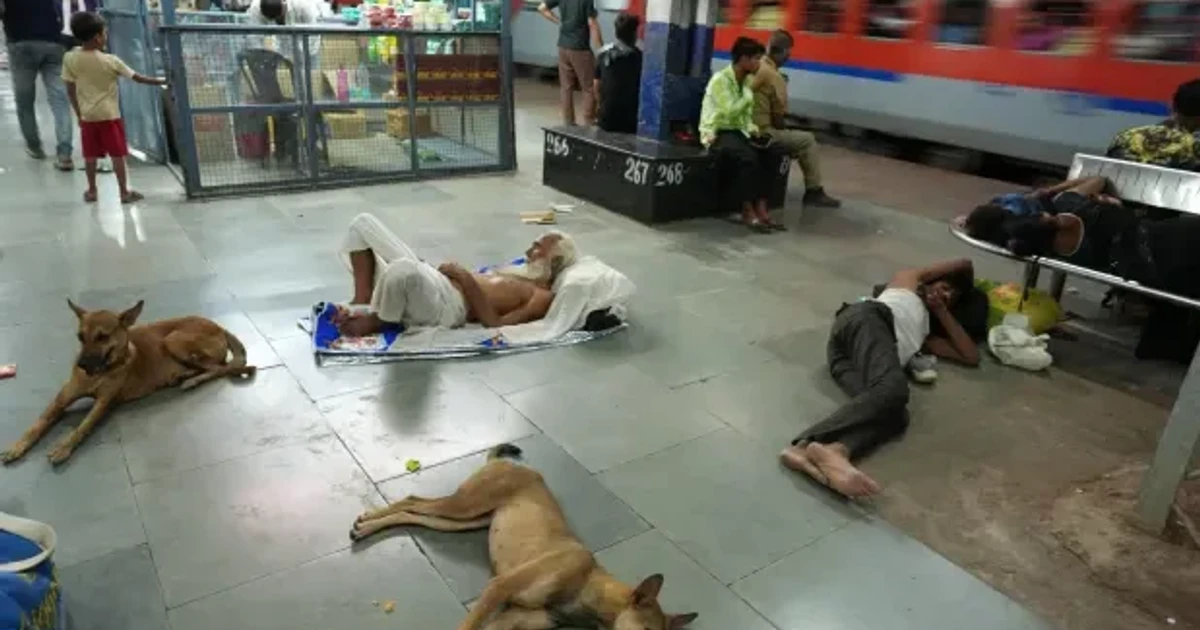
In Banda, the day begins before sunrise because waiting for the afternoon is no longer an option. Temperatures in the Uttar Pradesh district have climbed above 48C, including 48.2C on May 20, and the heat has pushed itself into school hours, work shifts, water use and sleep. For a district with 1,799,410 people in the 2011 census, extreme heat is no longer a forecast. It is the timetable.
Dawn becomes the safest hour
The clearest sign of how Banda is changing is how early the day now starts. In one account from the town, a railway worker, Ram Chandra, is shown working while the sun is already fierce by 6 a.m., a scene that captures why one resident put it bluntly: “Mornings and nights no longer exist.” That is not just a figure of speech. It describes a place where the window for errands, commuting and outdoor labor shrinks to a few hours before heat settles over roads, tracks and open yards.
The problem does not end when the sun goes down. Stifling nights keep bodies from cooling, which means people lose the recovery time that usually makes another day possible. In a town that has repeatedly been described as one of the world’s hottest, the lack of a cool night is as important as the daytime maximum because it leaves workers, children and older adults with no real break from exposure.
Work, school and basic services bend around heat
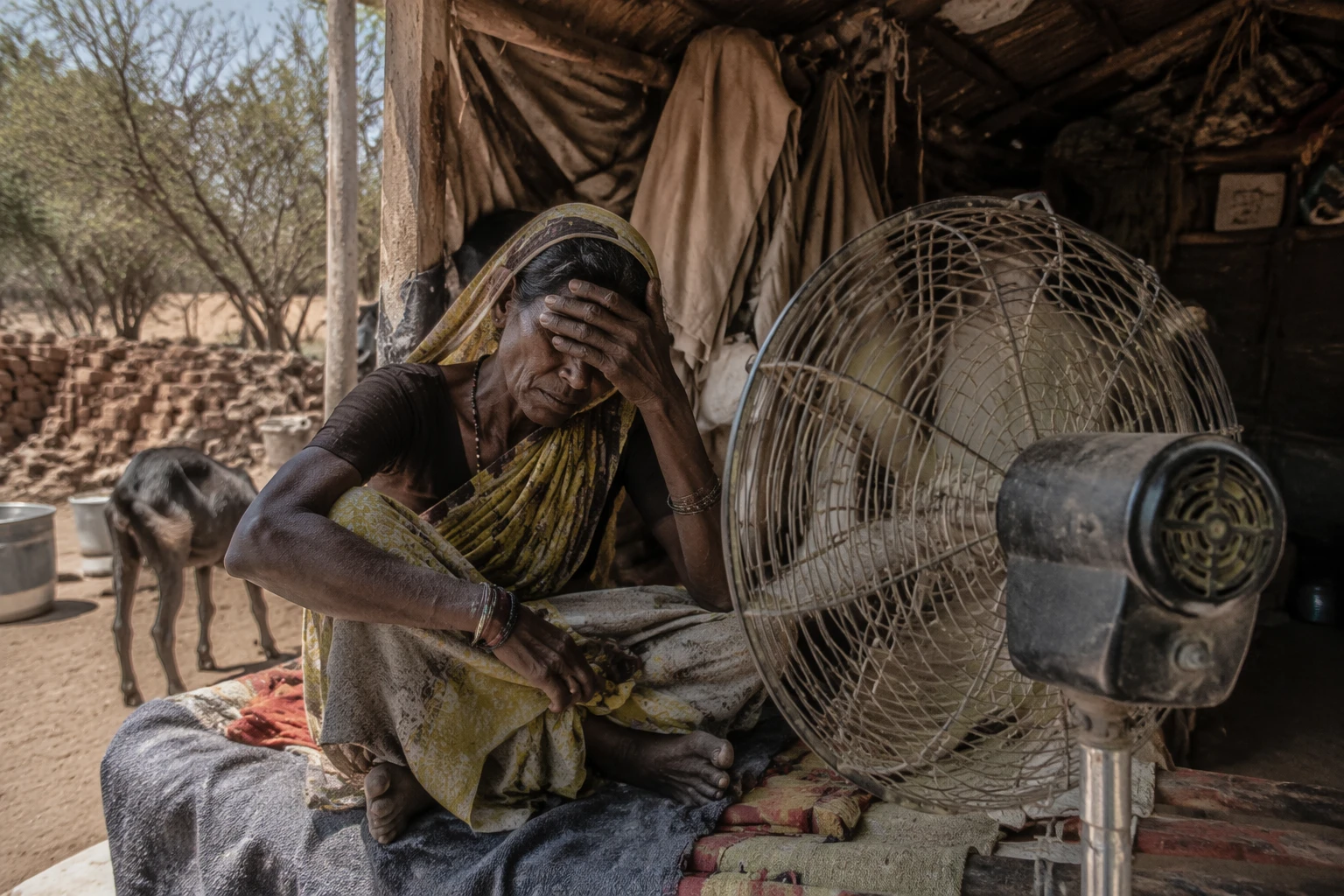
Heat in Banda reaches far beyond discomfort. Search results tied to the district point to early school closures, drinking-water shortages and electricity shortages, all of which make hot days harder to survive and harder to organize around. When school schedules shift because of temperature, families have to adjust child care, travel and work at the same time. When electricity falters, fans, pumps and other basic cooling tools become unreliable exactly when people need them most.
Outdoor workers are exposed first and longest. Laborers who cannot stop in the middle of the day have to carry on through the most dangerous hours, while anyone depending on daily wages can lose income the moment the heat becomes unbearable. That is why Banda’s heat is not simply a weather event. It changes who can earn, who can travel safely and who can stay indoors long enough to avoid collapse.
Health risk is built into the routine
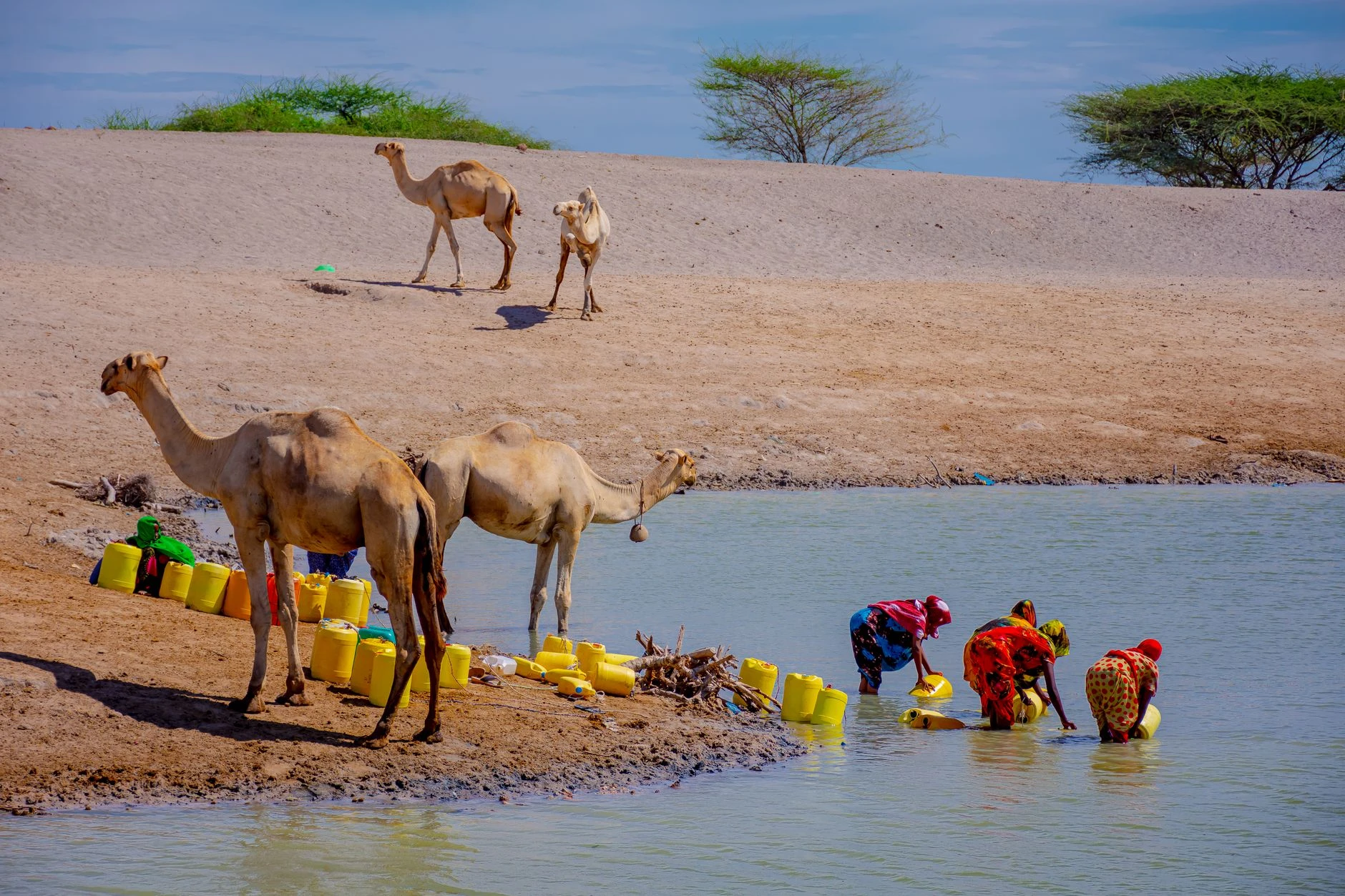
The health consequences are built into the routine of the town. Extreme heat raises the risk of dehydration and heat exhaustion, and the longer stifling nights go on, the harder it becomes for the body to recover. In Banda, that risk is magnified by limited access to cooling and by the stress placed on drinking water and electricity systems, both of which are part of the town’s daily survival calculus.
India has started to treat this as a public-health issue rather than a seasonal inconvenience. The 2024 heat-health preparedness and response report under the National Programme on Climate Change & Human Health puts heat squarely inside the country’s health planning. Uttar Pradesh State Disaster Management Authority district-level heat-threshold planning adds another layer, showing that local authorities are not only watching temperatures but trying to set triggers for response before conditions become dangerous. That matters in places like Banda, where an ordinary day can slide into medical risk without a dramatic disaster.
Adaptation starts with the smallest changes
What adaptation looks like in Banda is practical and immediate. People move work earlier, stay inside during the hottest part of the day, drink more water and use whatever shade or cooling they can find. Those habits sound simple, but they are the difference between getting through the afternoon and losing the day to heat stress. The town’s residents are not waiting for a distant climate solution. They are reorganizing their lives hour by hour around the temperature outside.
That reorganization reaches into the wider economy too. A district study by Krishi Vigyan Kendra, Banda examines the climatic vulnerability of farming systems to climate change, a reminder that the heat is not confined to streets and schoolyards. It also lands on fields, harvest timing and farm labor, where weather stress can cut into both yields and income. In a region where agriculture and outdoor work remain central, the line between climate pressure and livelihood pressure is thin.
Why Banda matters beyond one district
Banda keeps drawing attention because it shows how extreme heat becomes a governance problem as much as a meteorological one. The town’s record temperatures, the disruptions to schooling and labor, and the strain on water and power all point to the same challenge: survival depends on whether public systems can keep pace with a hotter baseline. That is true in Banda, and it will be true in more places as similar temperatures spread.
The lesson from Banda is not that people can adapt endlessly on their own. It is that adaptation only works when institutions, infrastructure and daily routines move together. In a town where afternoons can become unworkable and nights offer little relief, heat is already reshaping what normal life looks like.
Sources
- [1]apnews.com
- [2]chicoer.com
- [3]openthemagazine.com
- [4]bbc.com
- [5]datacommons.org
- [6]upsdma.up.nic.in
- [7]heathealth.info
- [8]journalijecc.com