Technology
LifePod unveils floating capsule designed to save families from tsunamis
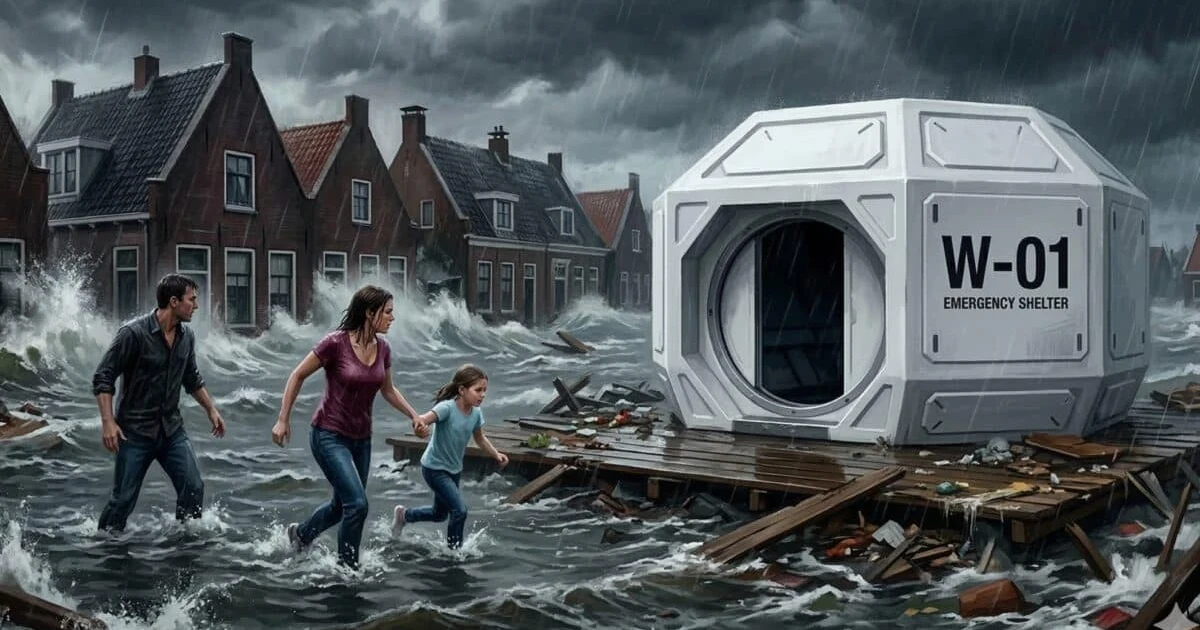
LifePods showed off its W-01 capsule in Paris as a floating refuge for up to four adults and four children, pitching it as a last-chance shelter when tsunami evacuation is no longer safe. The company is selling the idea as a disaster backup for families, but the device remains a prototype with no real-world testing completed.
Momentum Technologies, the French deeptech company behind LifePods, presented the capsule at VivaTech 2026 in Paris from June 17 to 20 and at Eurosatory 2026 from June 15 to 18. The company said the W-01 was unveiled at full scale for the first time at VivaTech, putting the product in front of a global tech audience before harbor trials or sea towing tests have begun.
LifePods describes the capsule as a passive hydrodynamic design, with no motors or steering systems. It is built from a marine-grade double-aluminum shell separated by a foam core meant to disperse impact from debris such as cars, trees and building materials. Inside, the W-01 includes harnesses, emergency distress signaling, storage for food, water and medicines, and can be fitted with a GPS tracker so rescuers can locate it after a disaster.
The company says the broader LifePods line is aimed at emergency refuge when conventional infrastructure fails, with the W-01 designed for flooding, marine submersion, tsunami and climate-disaster scenarios. It also says it is pursuing industrialization and certifications before any commercial deployment, a reminder that the capsule is still moving through the long gap between concept and approved emergency equipment.
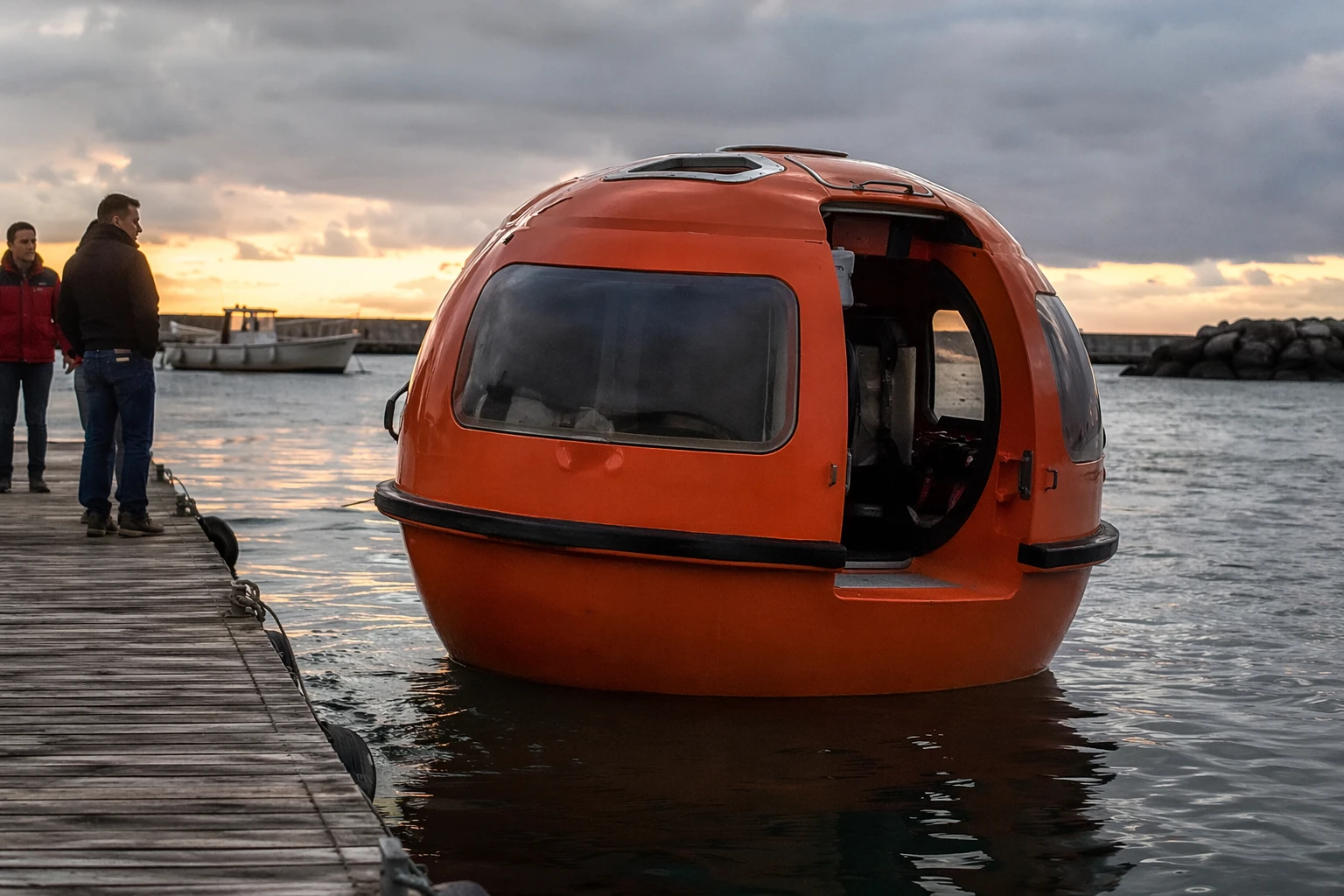
Cédric Choffat has said the idea was driven by images from the 2004 Indian Ocean tsunami and the 2011 Japan tsunami, two disasters that exposed the scale of the threat LifePods is trying to answer. The 2011 Japan earthquake and tsunami left about 18,500 people confirmed dead or missing, while the 2004 Indian Ocean tsunami killed roughly 228,000 people across 14 countries.
The warning signs remain blunt. Ready.gov says tsunamis can travel 20 to 30 miles per hour and rise to 10 to 100 feet, speeds and heights that make evacuation the only proven first line of defense. LifePods is betting there is still room for a sealed capsule after that point, but its usefulness will depend on testing, certification and whether it can survive the conditions it is designed to face.
Sources
- [1]cbsnews.com
- [2]finance.yahoo.com
- [3]newatlas.com
- [4]cnews.fr
- [5]earthquake.usgs.gov
- [6]britannica.com
- [7]vlab.noaa.gov
- [8]ready.gov