Health
Lifestyle Choices Sharply Impact Breast Cancer’s Global Toll
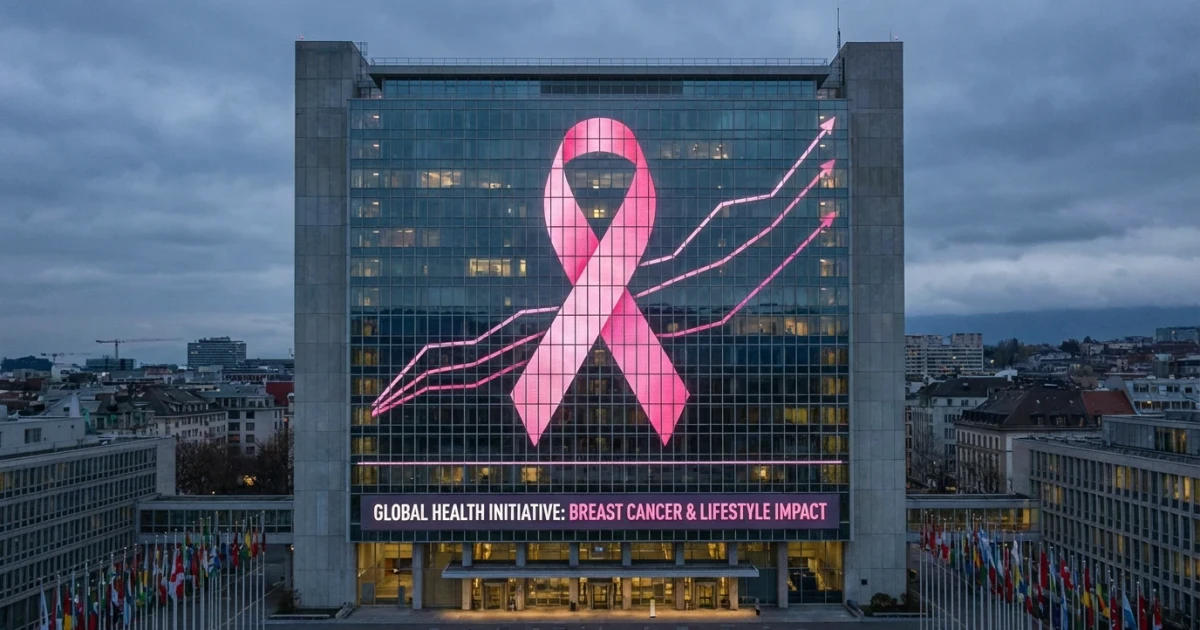
Breast cancer’s global burden is set to intensify in the coming decades, with new research revealing that lifestyle choices play a significant role in the years of healthy life lost to the disease. According to findings reported by The Guardian, approximately 25% of healthy years lost to breast cancer can be attributed to modifiable lifestyle factors, underscoring the potential for prevention and early intervention as the number of cases continues to rise worldwide.
Quarter of Healthy Years Lost Linked to Lifestyle
The Guardian highlighted research showing that one in four healthy years lost to breast cancer—a metric known as disability-adjusted life years (DALYs)—is closely tied to lifestyle elements such as diet, physical inactivity, alcohol consumption, and other preventable risks. These factors contribute not just to the likelihood of developing breast cancer but also to the severity and duration of illness for millions of women globally.
- Lifestyle-related DALYs: About 25% of healthy years lost to breast cancer are linked to modifiable risks.
- Non-modifiable risks: The remaining 75% are associated with genetics, age, and other factors beyond individual control.
Global Cases Projected to Surpass 3.5 Million by 2050
Alongside the alarming lifestyle connection, The Guardian referenced projections that global breast cancer cases are expected to exceed 3.5 million annually by 2050. This marks a substantial increase from current estimates and highlights the need for intensified prevention strategies and health system preparedness as the world’s population grows and ages.
- Rising incidence rates are driven by demographic shifts, longer life expectancy, and ongoing urbanization.
- Current breast cancer incidence is already among the highest of all cancers affecting women globally.
Prevention and Early Detection Remain Key
Health experts stress that, while some risk factors like genetics cannot be changed, targeted interventions to address known lifestyle risks could significantly reduce the disease’s overall impact. This includes public health campaigns that encourage:
- Regular physical activity
- Limiting alcohol intake
- Maintaining a healthy weight
- Breastfeeding where possible
- Participating in recommended screening programs for early detection
Efforts to reduce exposure to preventable risk factors, especially in low- and middle-income countries where diagnosis often occurs at later stages, are considered vital for controlling future disease burden.
Looking Ahead
As breast cancer cases are expected to rise sharply by 2050, the findings published by The Guardian highlight the importance of addressing lifestyle risks through education, policy, and individual action. With one quarter of healthy years lost tied to modifiable factors, there is significant potential to reduce the human and economic costs of the world’s most common cancer among women.