Science
Light Pollution Challenges Atacama’s Pristine Night Skies
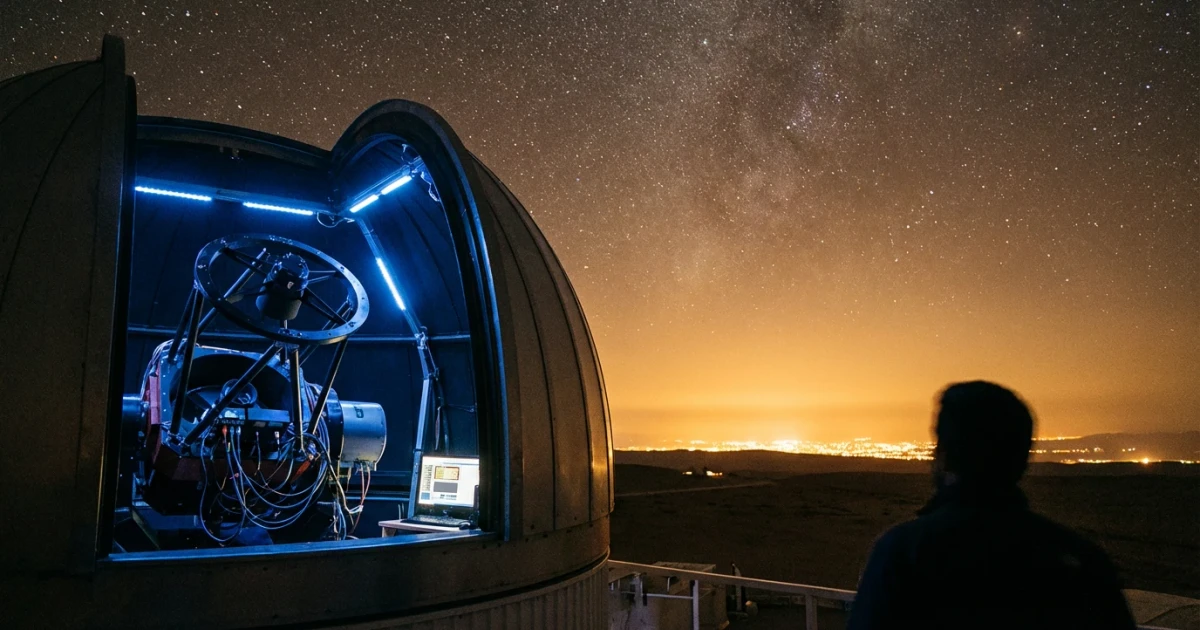
The Atacama Desert in northern Chile has long been celebrated as one of the world’s darkest regions, offering astronomers and stargazers unmatched views of the cosmos. However, increasing light pollution is now putting this unique environment at risk, prompting urgent calls for action from scientists, conservationists, and local authorities.
The Importance of the Atacama Desert for Astronomy
Located between the Pacific Ocean and the Andes Mountains, the Atacama boasts extremely dry conditions and minimal atmospheric interference, making it an ideal location for major observatories such as the European Southern Observatory’s Very Large Telescope and the Atacama Large Millimeter Array. The region’s exceptionally low sky brightness has allowed astronomers to observe faint celestial objects and conduct groundbreaking research.
Rising Light Pollution Threatens Scientific Discoveries
In recent years, rapid urbanization and industrial expansion near the Atacama have led to a steady increase in artificial lighting. According to interactive light pollution data, sky brightness levels in areas surrounding major observatories are now noticeably higher than a decade ago. The International Astronomical Union’s dark skies initiative has highlighted the Atacama as a critical zone requiring protection.
- Recent measurements show a rise in sky brightness that is impacting astronomical observations in key regions.
- Light pollution can disrupt sensitive instruments, limit the detection of faint objects, and reduce the scientific value of observatory data.
- Researchers warn that even small increases in light pollution can have outsized effects due to the area’s previously pristine conditions.
Peer-reviewed studies, such as the analysis of light pollution in the Atacama, confirm that urban growth and unregulated lighting are the primary drivers behind these changes.
Community and Government Responses
Local communities and Chilean authorities have begun to respond to these threats. The government’s 2019 light pollution report outlines regulatory measures, including restrictions on outdoor lighting and promotion of shielded fixtures. International organizations advocate for stricter enforcement and broader public education campaigns.
- Some towns in the Atacama region have adopted "dark sky" ordinances limiting public and commercial lighting.
- Observatories are working with local governments to develop lighting guidelines that protect scientific interests.
- Citizen science projects like Globe at Night engage residents in monitoring sky brightness and reporting changes.
Balancing Development and Conservation
Despite these efforts, balancing economic development with environmental conservation remains challenging. The Atacama hosts mining operations, tourism facilities, and growing urban centers, all of which contribute to rising light emissions. Conservationists urge that protecting the Atacama’s skies is not only essential for science but also for the region’s cultural heritage and ecotourism.
As the AP News coverage notes, the world’s interest in the Atacama’s dark skies has made the issue of light pollution especially pressing. Scientists warn that without decisive action, the Atacama could lose its status as a premier astronomical site, potentially affecting global research and Chile’s reputation as a leader in space science.
Looking Ahead
Experts agree that ongoing monitoring, stronger regulations, and community engagement are necessary to preserve the Atacama’s unique night skies. As light pollution trends continue to evolve, stakeholders are watching closely to ensure future generations can still experience and study the desert’s remarkable darkness.