Sports
Lightning delay pushes Mexico-Ecuador World Cup kickoff back one hour
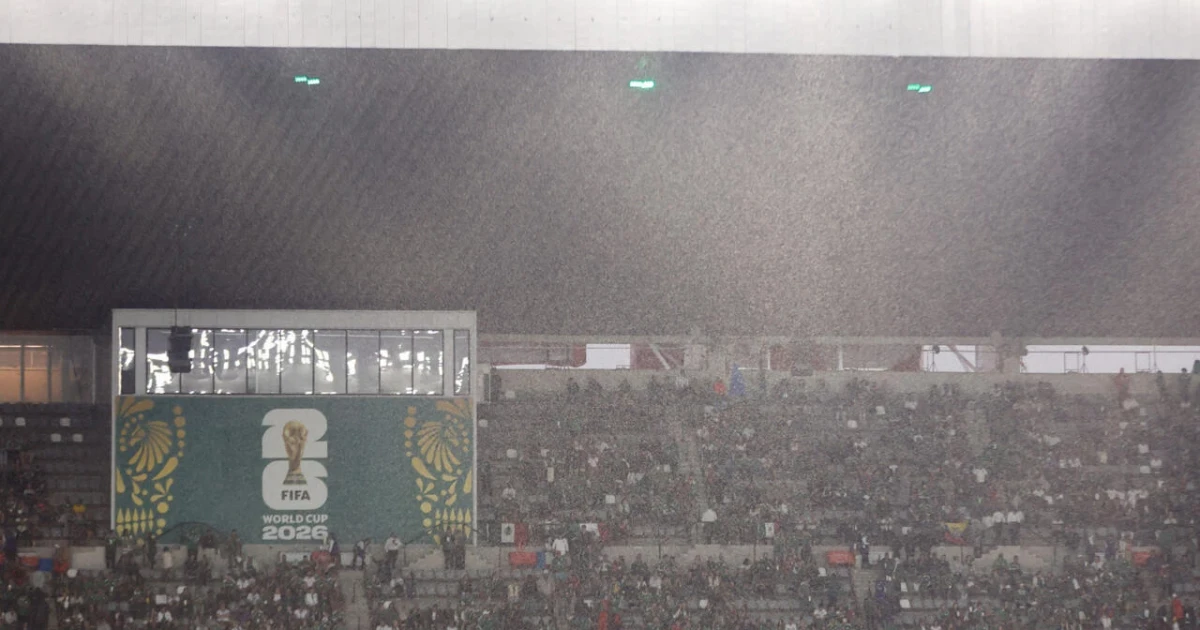
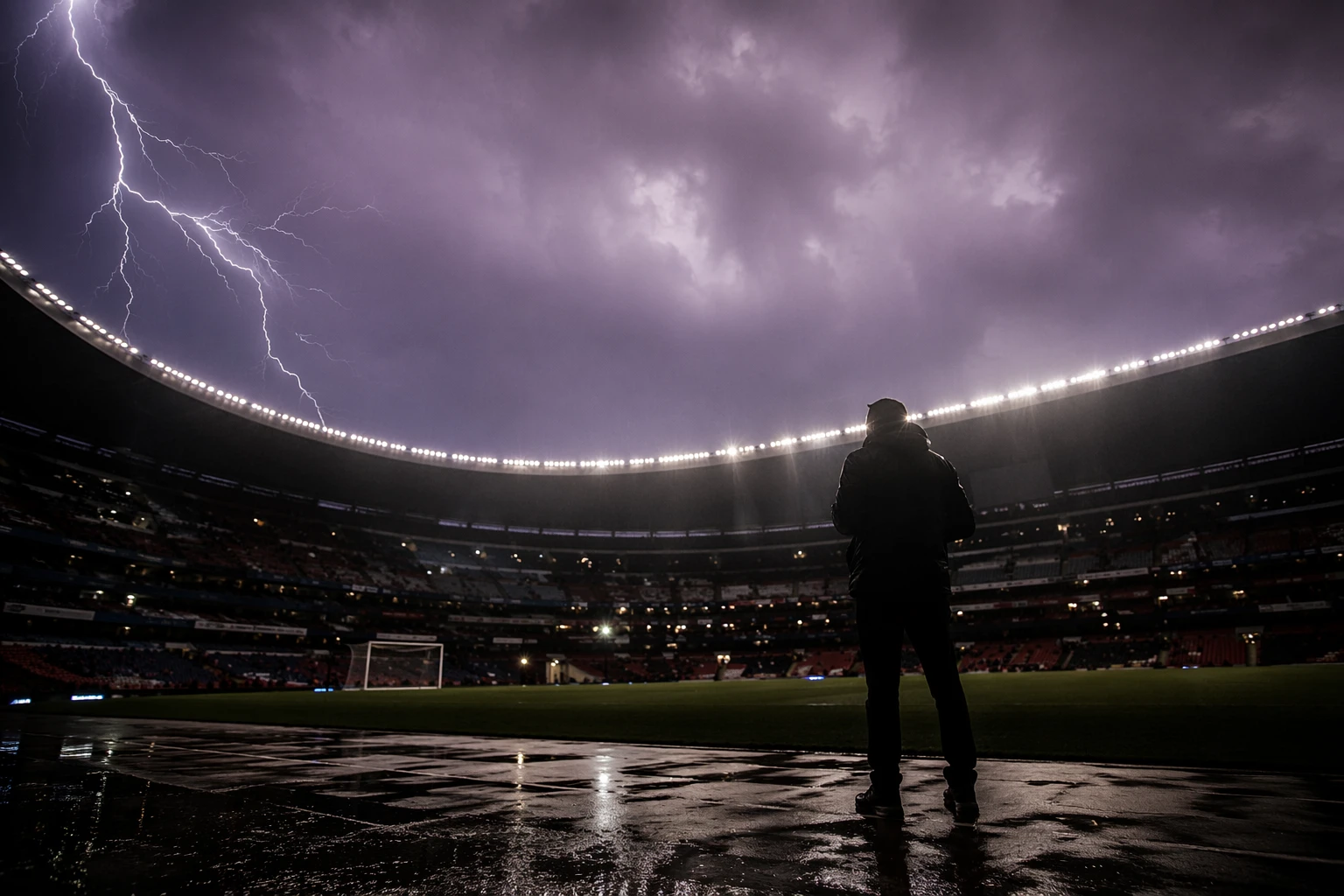
Lightning and heavy rain forced FIFA to push the Mexico-Ecuador World Cup round-of-32 kickoff back one hour at Estadio Azteca, moving the start to 20:00 local time, 8 p.m. in Mexico City and 2 a.m. GMT. The knockout match carried immediate stakes for Mexico, which was chasing a place in the round of 16, and Ecuador, which needed to stay alive in the tournament. It was the second weather-related disruption of the 2026 World Cup, after France-Iraq, and officials said the delay was driven by adverse conditions and lightning risk around the stadium as thunderstorms moved over the area.
The pause put a practical spotlight on how climate now sits inside match operations. The National Weather Service says organizers of outdoor sports events should monitor radar and lightning detection, move spectators and staff to shelter, and wait at least 30 minutes after the last thunder before resuming activity. CISA’s guidance for sports and special events frames lightning as a fast-moving threat that can require shelter-in-place, evacuation or suspension decisions in a matter of minutes, not hours. In a tournament built around fixed broadcast windows and tightly managed warmups, that kind of weather hold can ripple through kickoff timing, TV schedules and team routines long after the original start time has passed.
The buildup away from the stadium was tense as well. Mexican fans gathered outside Ecuador’s team hotel from midnight into the early hours, blasting horns, drums and chants in an apparent bid to keep the visitors awake before the match, and Ecuador’s federation filed a complaint over the disturbance. The episode added another layer of logistical strain on a night when both teams were already working around traffic, security and the altered kickoff.
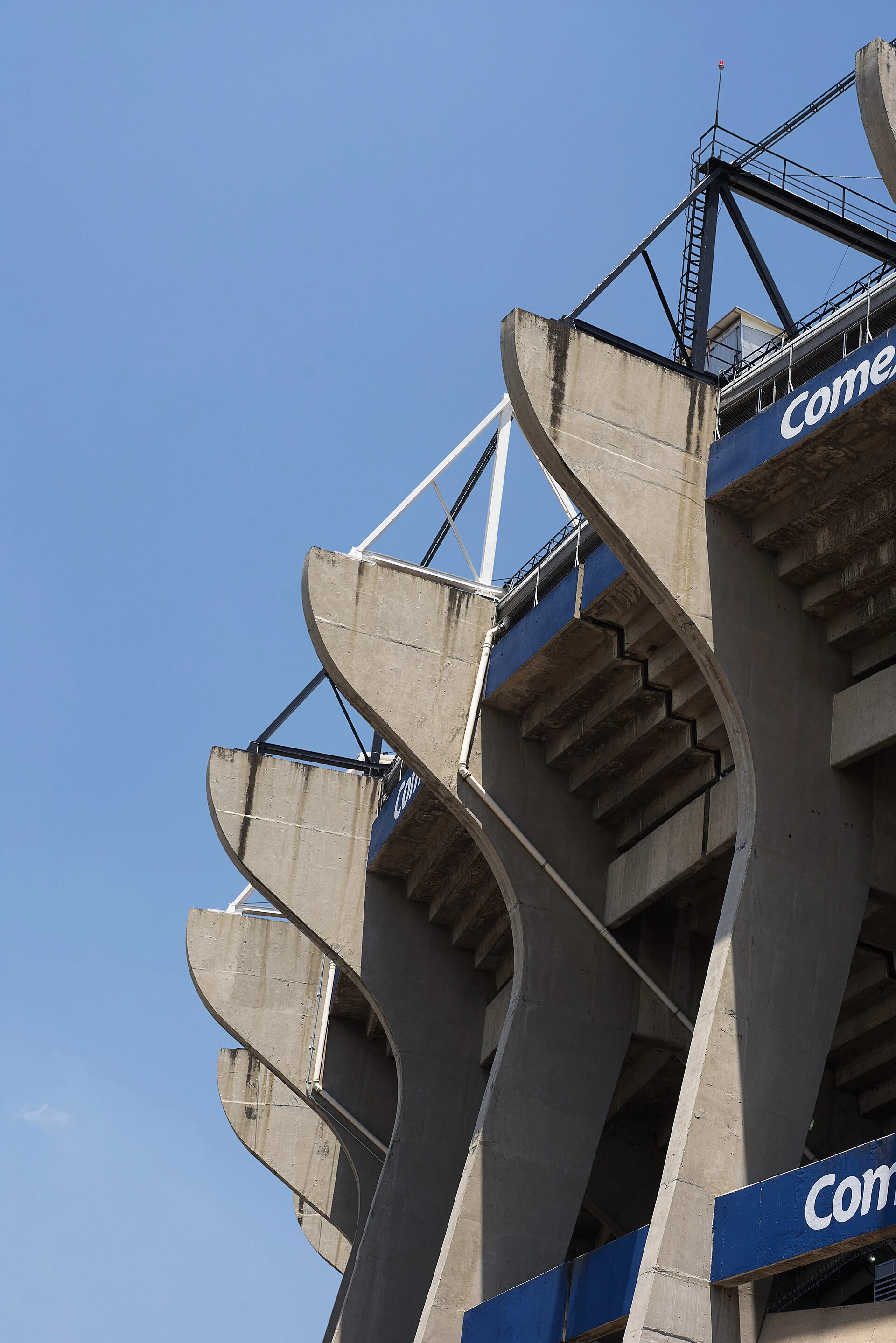
The venue made the interruption even more notable. Estadio Azteca is the only stadium to host two men’s World Cup finals, in 1970 and 1986, and Mexico reached the quarterfinals on home soil in both of those tournaments. A ground with that history is now also a climate-sensitive stage, where a storm cell can alter kickoff times, crowd movement and broadcast planning with little warning.
Sources
- [1]news.google.com
- [2]malaymail.com
- [3]sports.yahoo.com
- [4]sportsnet.ca
- [5]fifa.com
- [6]en.wikipedia.org