Business
Lilly's retatrutide boosts weight-loss hopes in booming obesity drug race

Eli Lilly is widening its lead in obesity drugs at a moment when the industry is becoming less about breakthrough science alone and more about who will control access, pricing and the next generation of treatment. New data on its experimental injection retatrutide, presented at the American Diabetes Association’s 86th Scientific Sessions in New Orleans from June 5 to June 8, showed results that investors and clinicians viewed as the strongest yet in a crowded field.
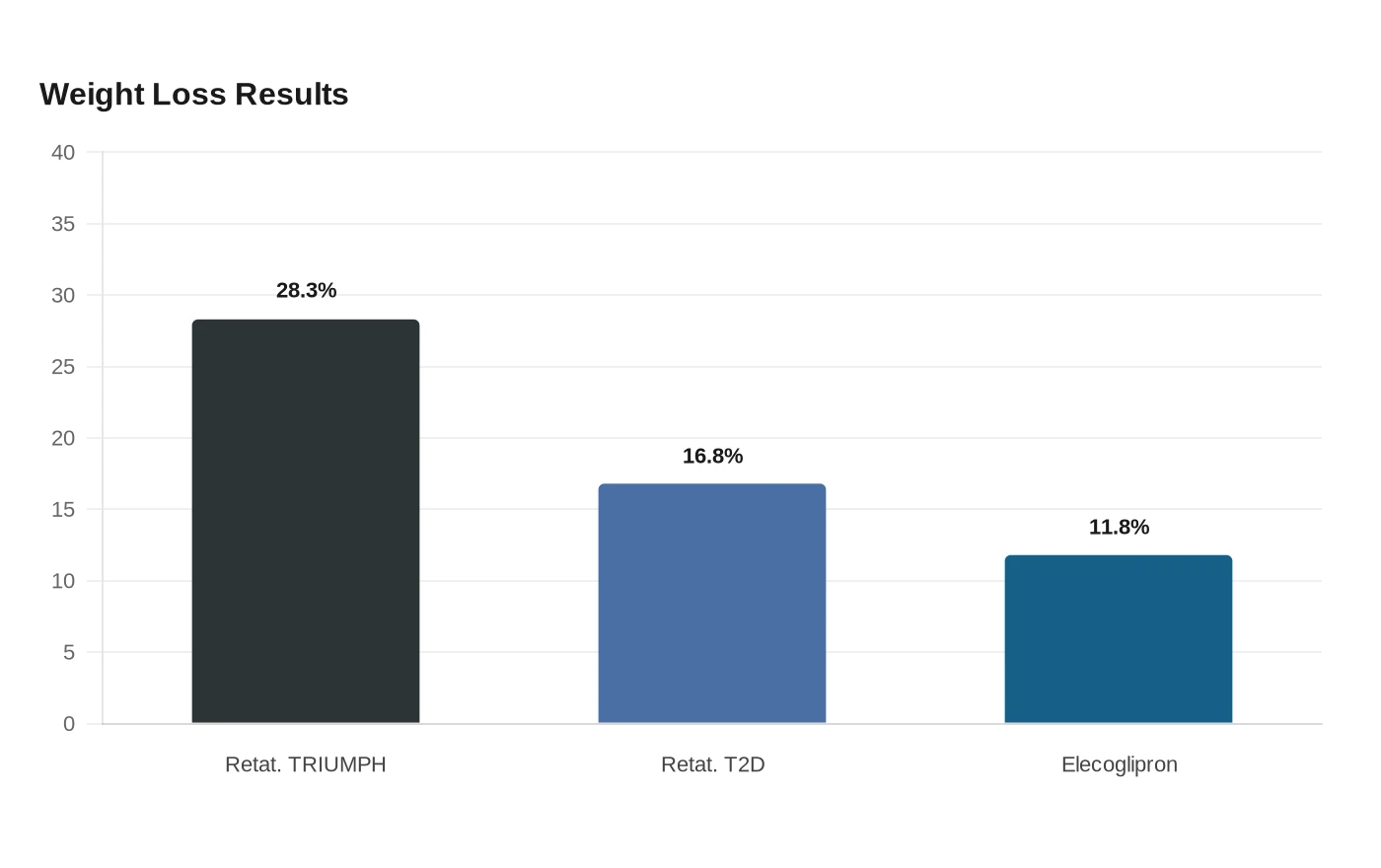
In the TRIUMPH-1 Phase 3 trial, Lilly said patients on the 12 mg dose lost an average of 70.3 pounds, or 28.3%, over 80 weeks. In TRANSCEND-T2D-1, retatrutide produced weight loss of up to 36.6 pounds, or 16.8%, at 40 weeks, while also reducing A1C by up to 2.0%. Lilly also said the drug lowered knee osteoarthritis pain by up to 4.3 points and cut obstructive sleep apnea severity by as much as 36.1 events per hour, broadening its potential beyond weight loss alone.

That matters because the obesity market is no longer a narrow race between two dominant names. Large drugmakers are flooding the field with new molecules, but many of the latest readouts still look more like evidence of a gold rush than proof of a close contest. Roche said it would present late-breaking Phase II data on enicepatide, also known as CT-388, and petrelintide, and plans to start a multi-arm fixed-dose-combination trial around mid-2026. AstraZeneca said elecoglipron produced 11.8% weight loss at 36 weeks in a Phase IIb study and is moving into an extensive Phase III program.
Pfizer added to the pressure with berobenatide, which delivered almost 16% non-placebo-adjusted weight loss at 32 weeks and showed low gastrointestinal adverse events and discontinuations, according to the company. Pfizer plans 10 Phase 3 studies in 2026 and more than 20 obesity trials overall. Novo Nordisk, meanwhile, said its REIMAGINE 1-3 Phase 3 trials of CagriSema met primary endpoints and confirmatory secondary endpoints, with results also published in The Lancet Diabetes & Endocrinology and The Lancet.
The market’s verdict was blunt. Lilly shares rose after the conference, while Novo Nordisk, Roche, Pfizer and Zealand Pharma fell. Zealand Pharma dropped as much as 23% on June 8 after new safety data added to investor worries about tolerability, a reminder that side effects can still move billions of dollars in market value.
An RBC analyst said the bar keeps moving higher and that rivals appear roughly on par with current medicines on weight loss and side effects, but still cannot match Lilly’s next-generation candidates. That gap may ultimately shape who gets treated, how much payers are willing to cover and whether the market fragments into tiers for patients seeking the most dramatic weight loss versus those willing to accept less efficacy for better tolerability.
Roche is leaning into that divide, arguing that some patients may prefer a more modest result if the drug is easier to stay on long term. That is the strategic shift now underway: obesity treatment is moving from proof of concept to commercial sorting, with persistence, side effects and pricing likely to matter as much as the number on the scale. For now, Lilly remains the benchmark, and everyone else is still trying to catch up.
Sources
- [1]usnews.com
- [2]investor.lilly.com
- [3]roche.com
- [4]pfizer.com
- [5]astrazeneca.com
- [6]prnewswire.com
- [7]cnbc.com