Business
Lime raises $167 million in IPO to tackle $1 billion debt load
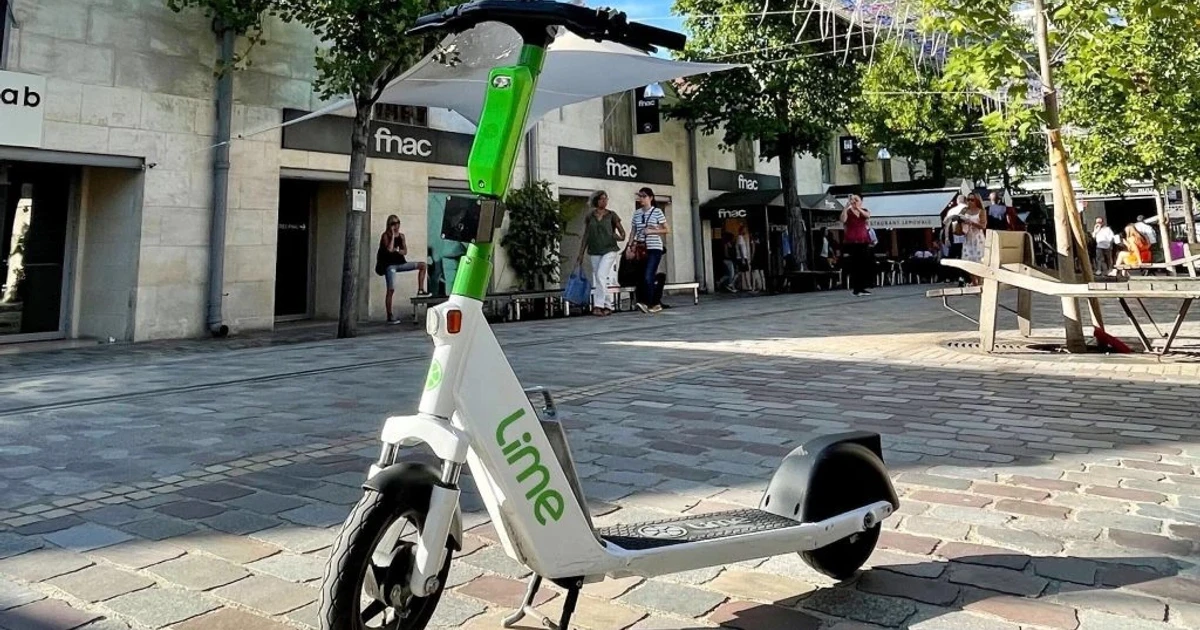
Lime raised $167 million in its initial public offering, selling 6.68 million shares at $25 each and landing at the midpoint of its marketed range. The scooter and bike-share company, formally known as Neutron Holdings, was valued at about $1.66 billion, and its shares were expected to begin trading on Nasdaq under the ticker LIME.
The listing came after Lime warned in its May filing of “substantial doubt” about its ability to continue as a going concern unless it could raise money. The company said it needed IPO proceeds to address roughly $1 billion in current liabilities, including about $675.8 million due by the end of 2026 and roughly $846 million due within 12 months of the filing. Lime had $261 million in cash and cash equivalents as of March 31, 2026.
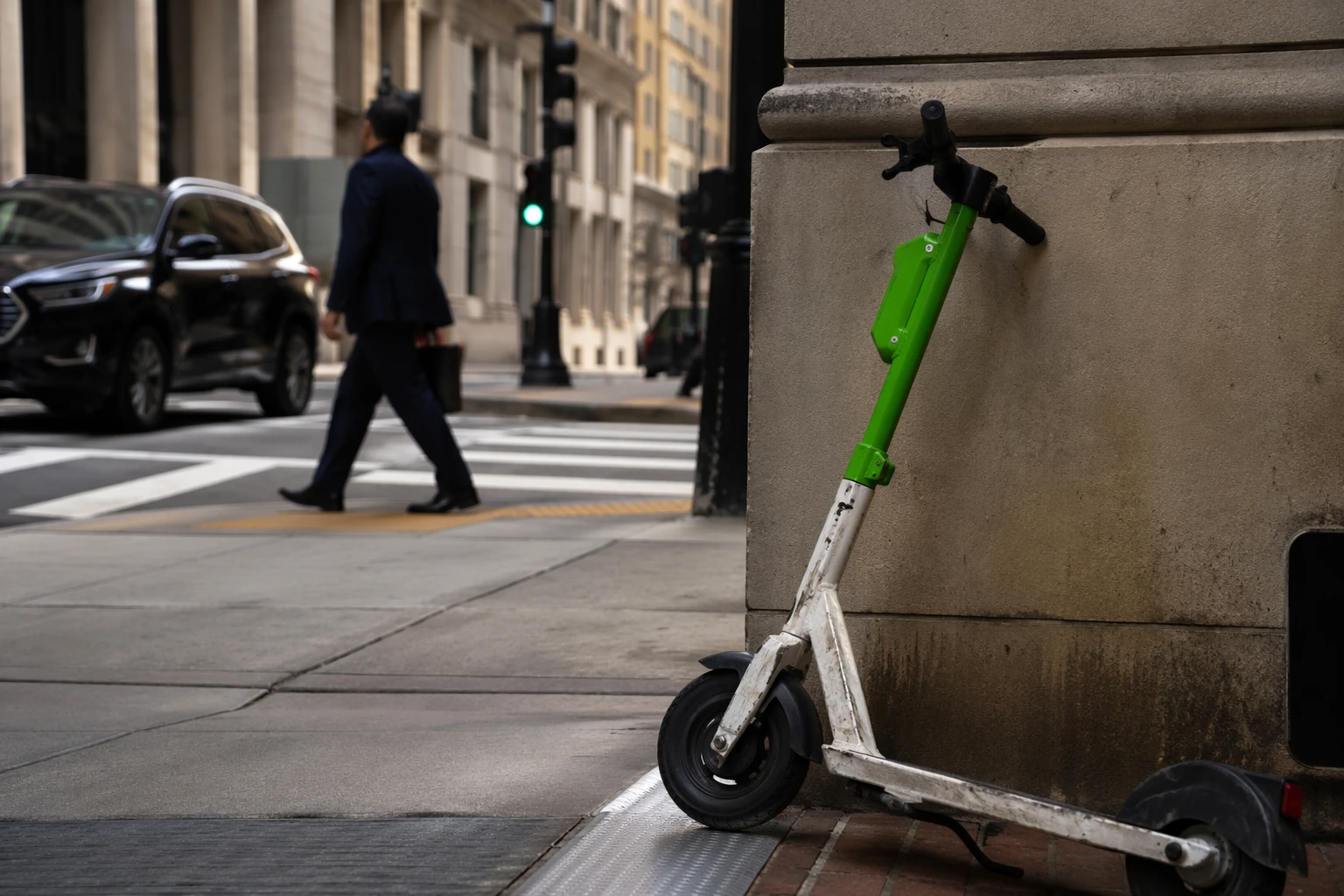
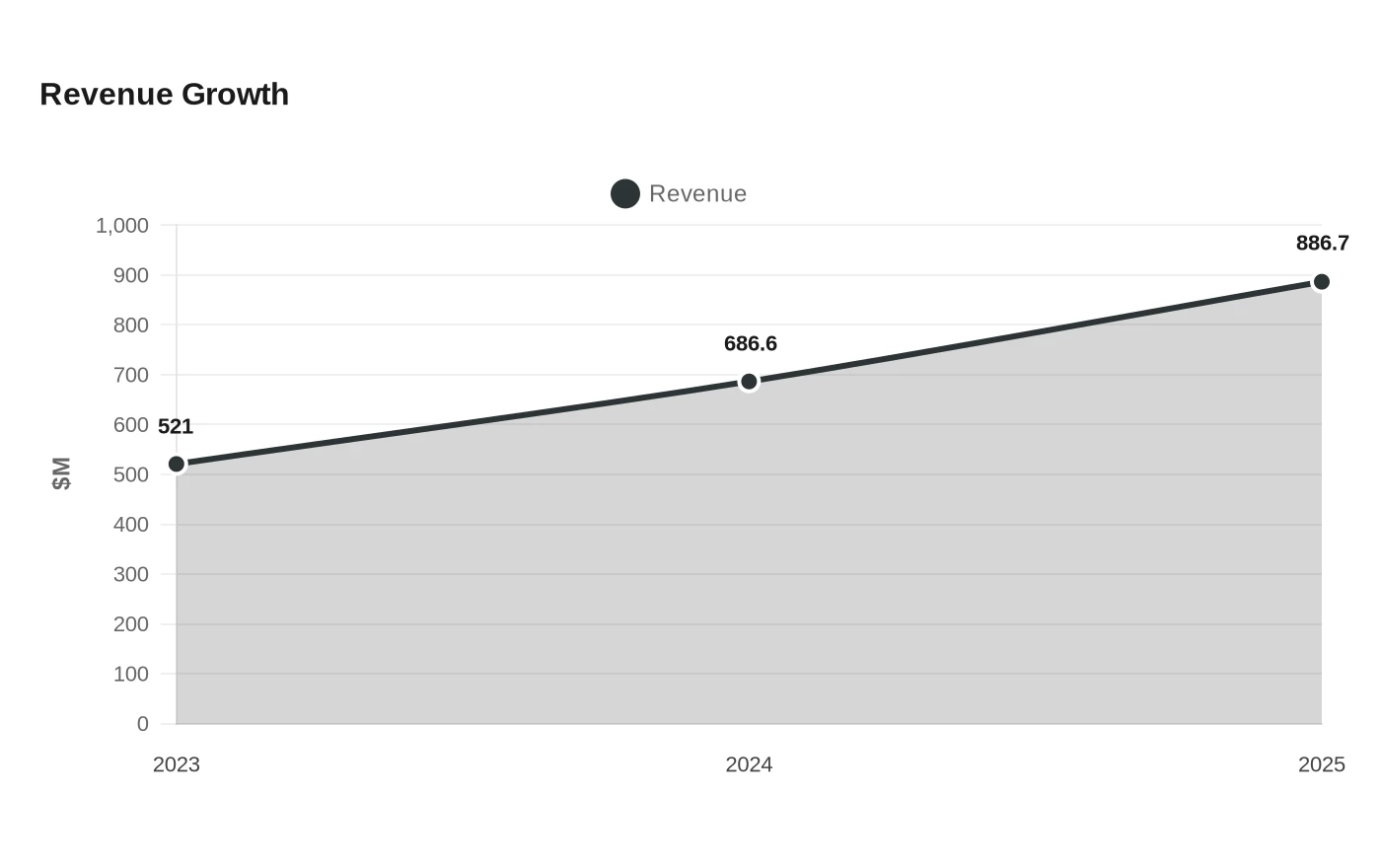
The numbers also showed a company that has grown sharply even as it remained unprofitable. Revenue climbed from $521 million in 2023 to $686.6 million in 2024 and $886.7 million in 2025. Net loss narrowed from $122.3 million in 2023 to $33.9 million in 2024, then widened again to $59.3 million in 2025. Lime said free cash flow reached nearly $103.8 million in 2025, up 119% from the prior year.
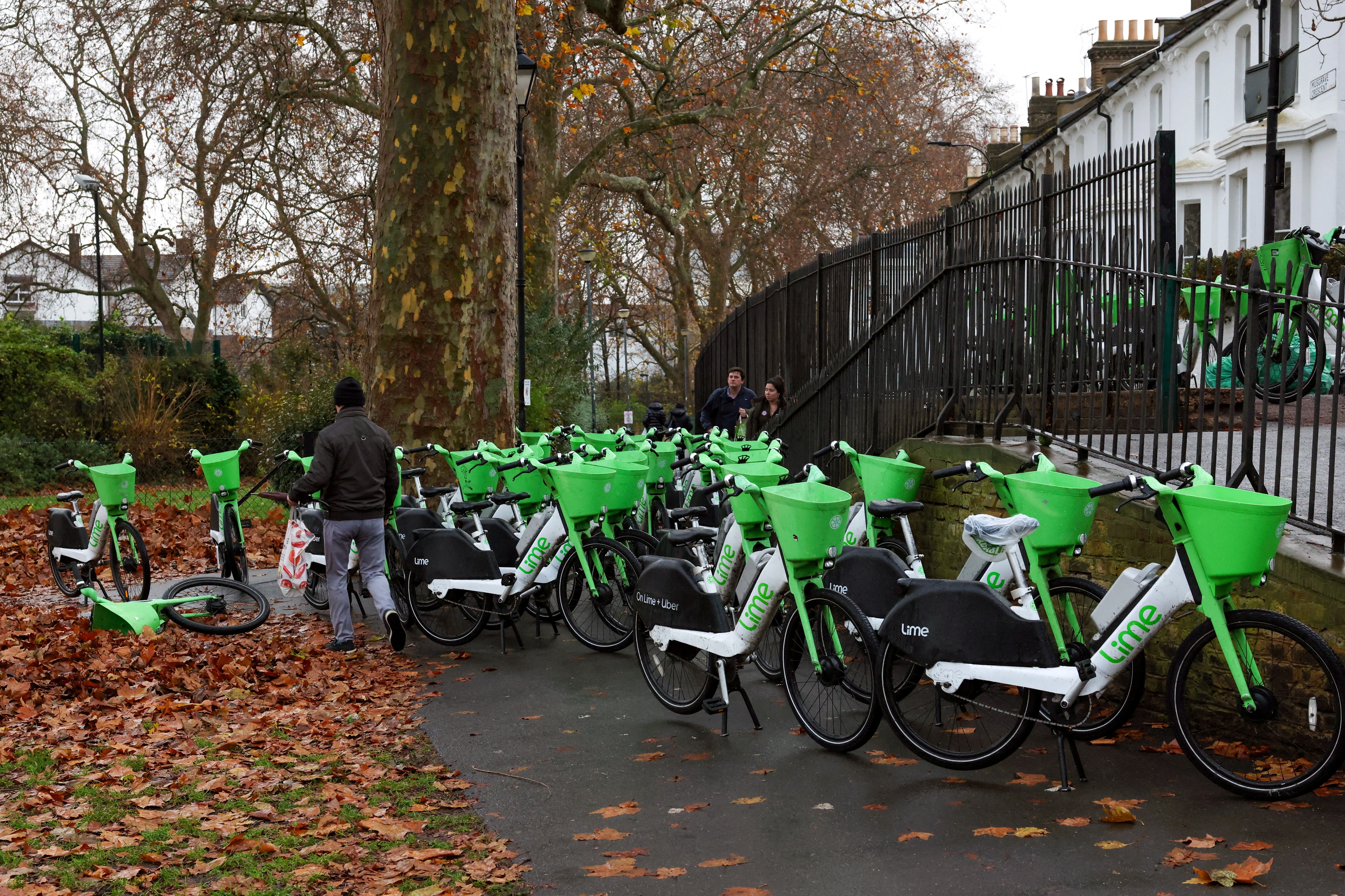
Lime now operates in 230 cities across 29 countries, but its business still depends on weather and seasonality. Scooters and bikes are less popular in rain and snow, a demand pattern that can make quarterly results uneven and harder for public investors to model. That volatility has long complicated micromobility’s path to the stock market.
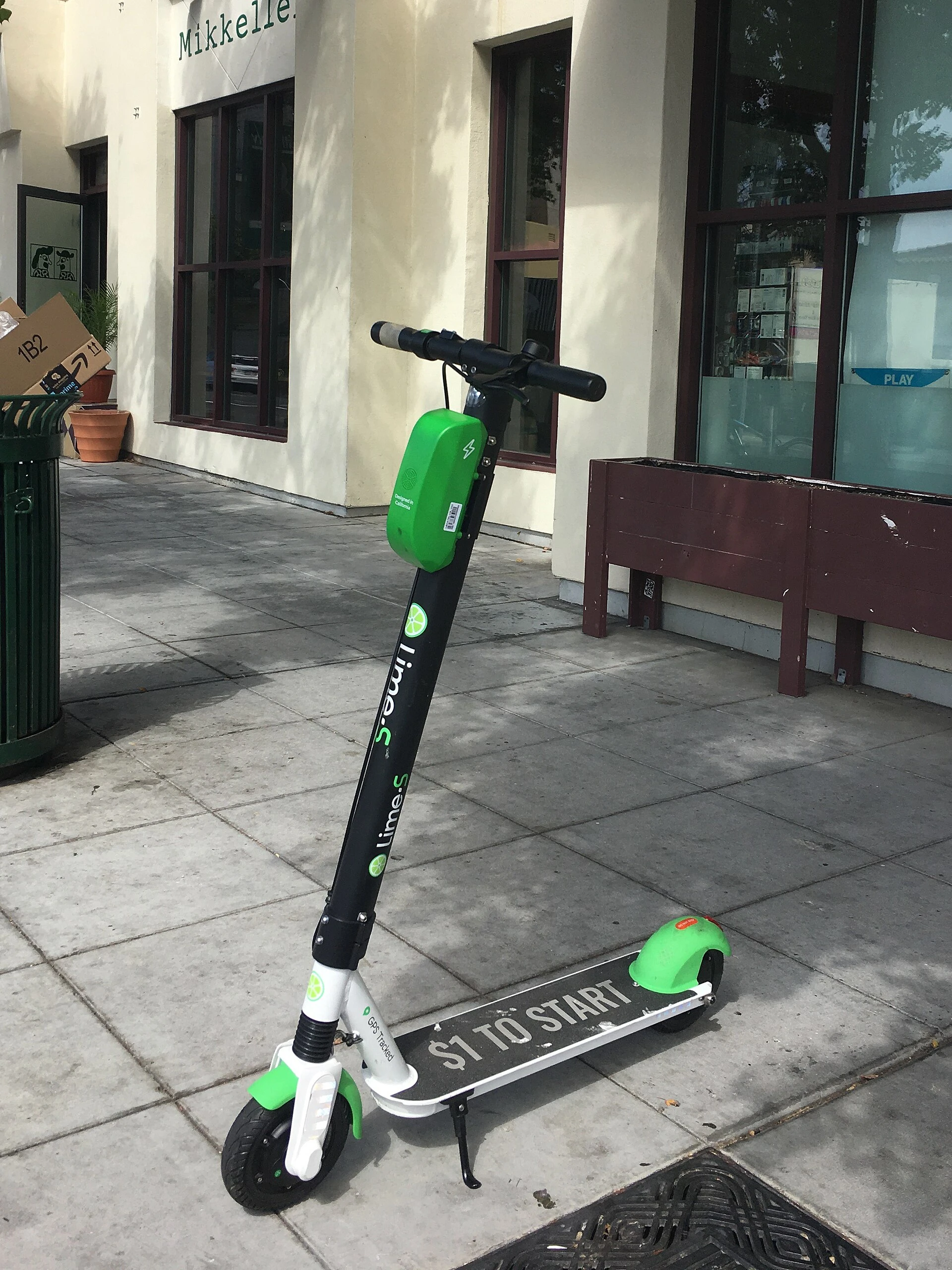
Uber remains central to that story. Uber owns about 24% of Lime, accounted for more than 14% of Lime’s revenue last year, and has indicated interest in buying up to $20 million of shares in the offering. Lime has been talking about a public debut for years: Chief executive Wayne Ting said in 2021 that the company was aiming for an IPO in 2022, then said in 2023 that market conditions still needed to improve.
The sector’s record has given investors reason to be cautious. Bird went public through a SPAC, later filed for bankruptcy protection and restructured, while other micromobility competitors merged, were delisted or shut down. Lime’s offering gives it fresh capital, but the market will judge the company on whether those proceeds are enough to make a business with large liabilities and uneven demand look durable.