US News
Lincoln Memorial Reflecting Pool turns green after costly renovation
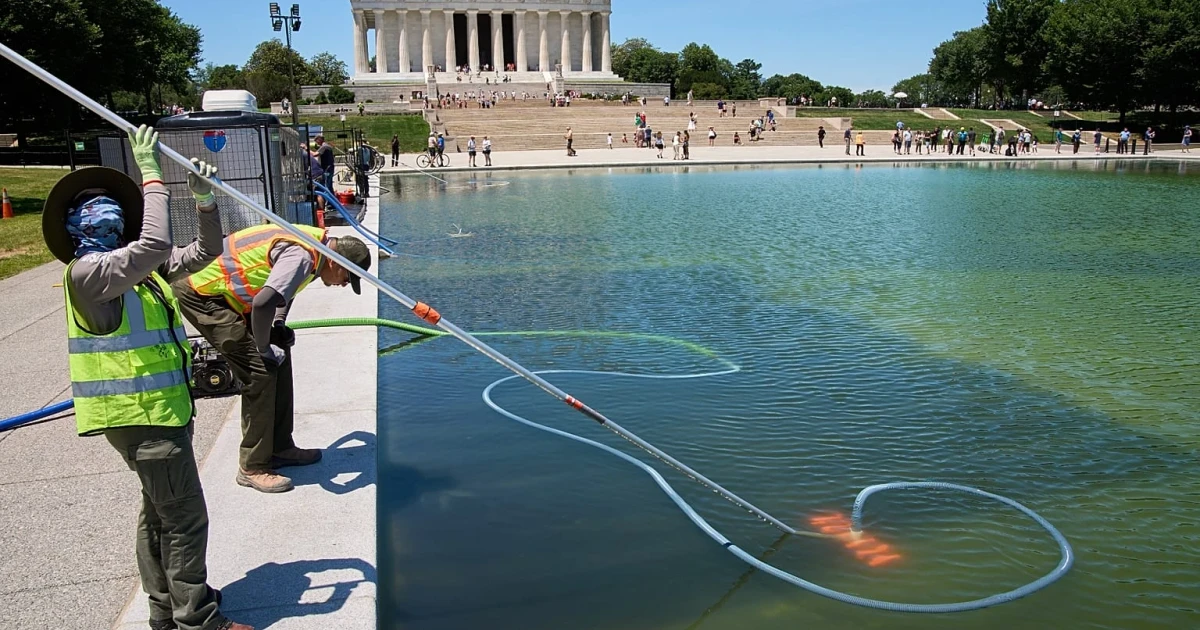
The Lincoln Memorial Reflecting Pool turned green days after a costly renovation, prompting Josh Johnson to joke, “Hey, kids, remember you wanted to go to Disneyland? Instead, we’re going to go see the world’s largest kombucha!” The punch line landed because the pool sits at one of the country’s most recognizable civic backdrops, where visitors expect polish, not peeling paint and algae.
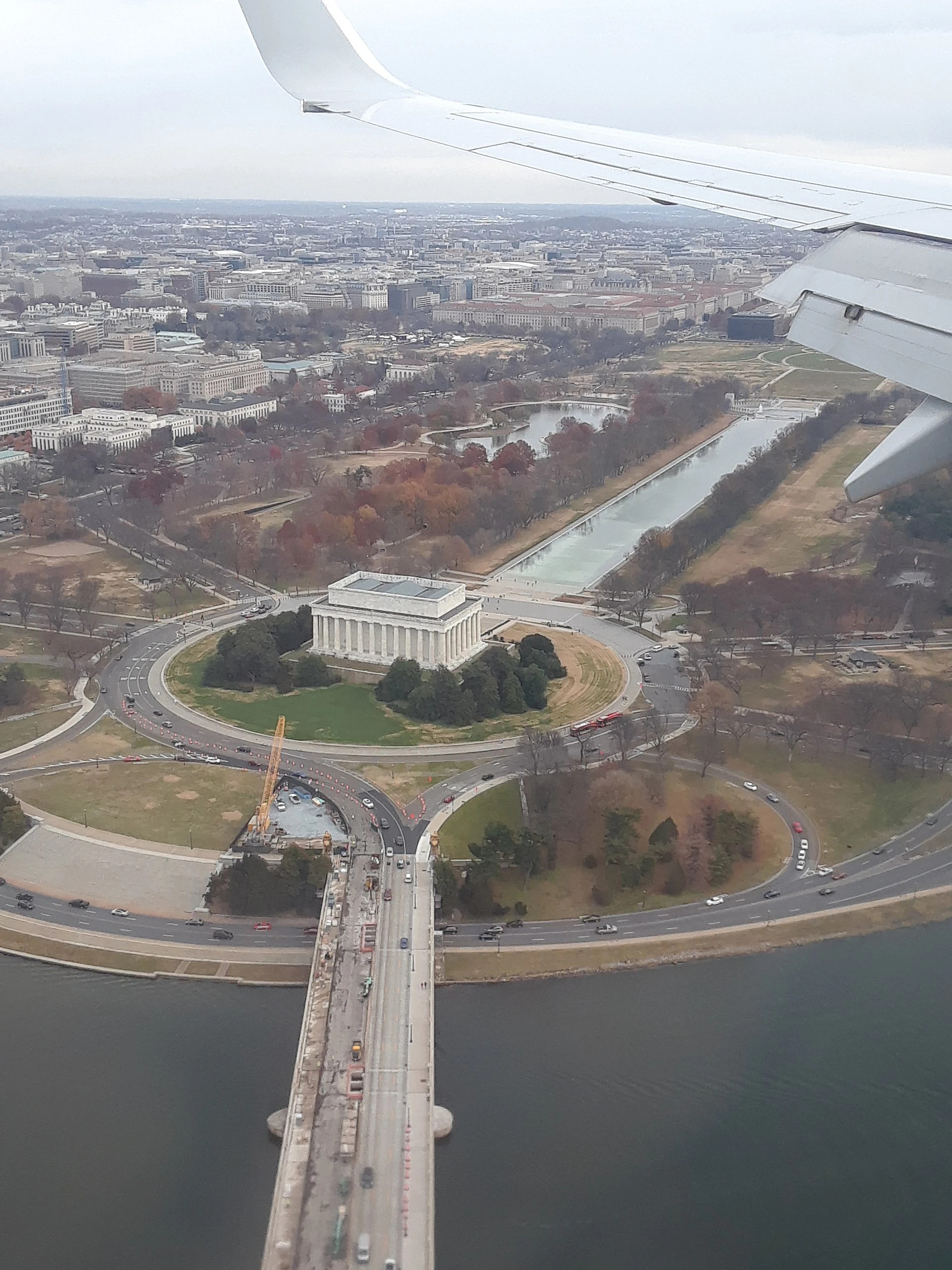
The National Park Service has long described the reflecting pool and the adjacent elm-tree promenade as key parts of the Lincoln Memorial landscape. The pool was not completed in time for the memorial’s 1922 dedication, but it later became one of the most filmed and recognizable sites in Washington, D.C., a place where national symbolism depends on public maintenance as much as ceremony.
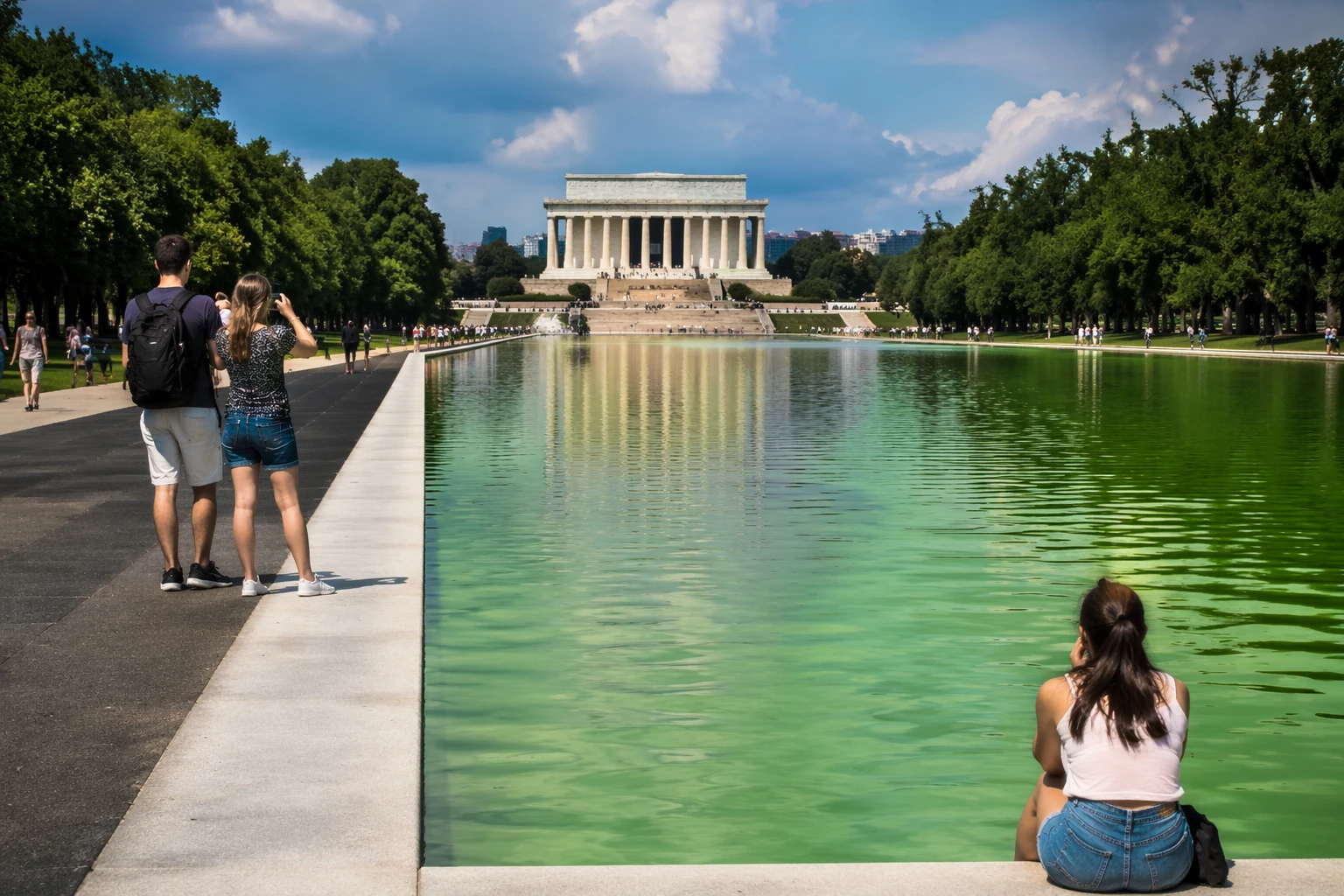
That maintenance became visible this spring. The National Mall and Memorial Parks closed the pool on April 10 for lining and repair work, a shutdown scheduled to run through June 10 at 7 p.m. Crews were sent in to clean the pool, repair joints and install lining material, work the Park Service said was meant to protect the resource and reduce future repairs.
Instead, the project became a public relations headache. By mid-June, the repainting bill had climbed past $14.65 million, with another $1.74 million spent on a nano-bubble algae-control system, pushing the total above $16 million. The Interior Department said hydrogen peroxide and nanobubble ozone technology were being used to treat the algae that appeared soon after the renovation and the paint began peeling.
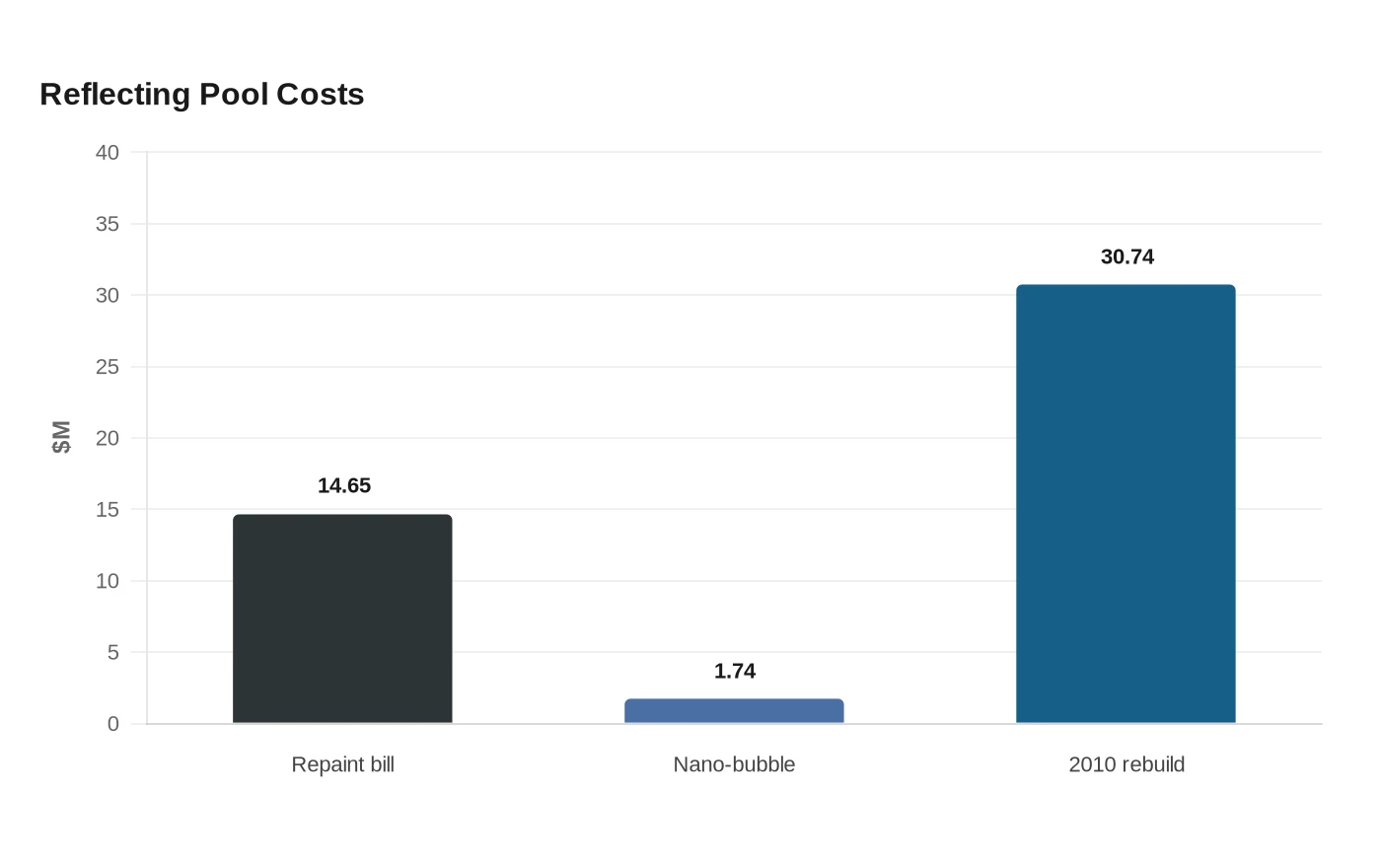
The reflecting pool has been here before. A major reconstruction that began in November 2010 stretched 18 months and cost $30.74 million, underscoring how often one of the capital’s most famous sightlines has required expensive work to stay presentable. This time, the reaction from tourists and locals turned the pool itself into the attraction, a reminder that on the National Mall, even the most iconic spaces can become stories about upkeep, infrastructure and what the public expects a monument to look like.
Sources
- [1]nytimes.com
- [2]nps.gov
- [3]abcnews.com