US News
Lindsay Clancy trial begins in Massachusetts triple murder case
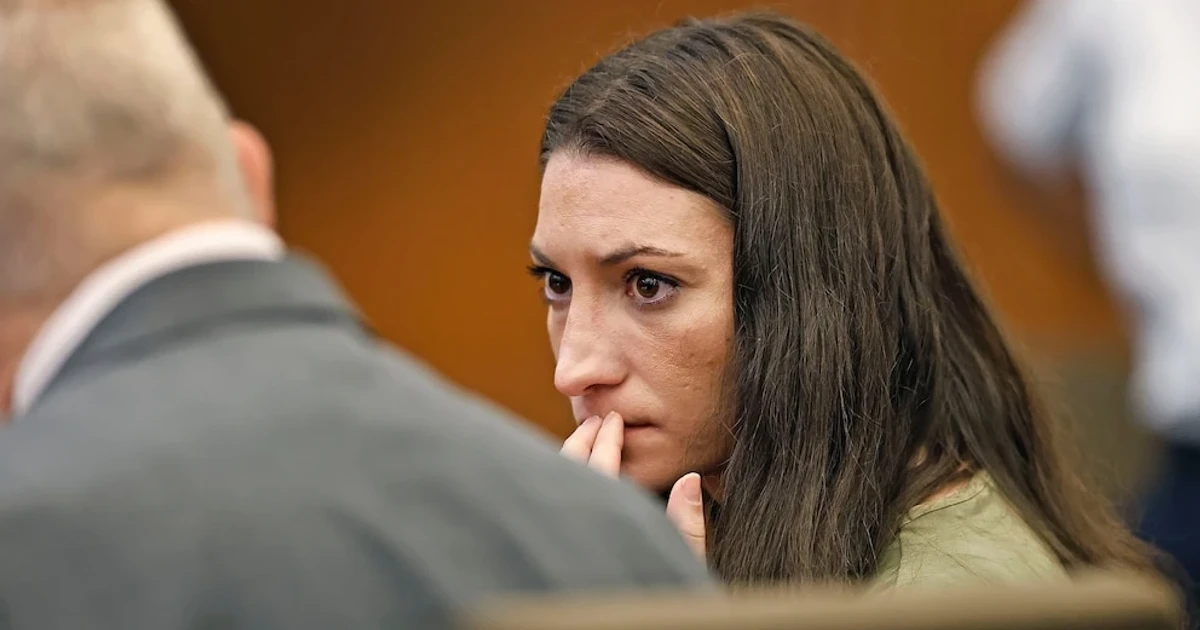
A full jury of 12 women and six men was seated in Plymouth Superior Court by July 23 in the murder trial of Lindsay Clancy, the 34-year-old Duxbury woman accused in the deaths of her three children. Opening statements were expected to begin July 27, with prosecutors having already dropped the three strangulation charges that had been filed alongside the murder counts.
The case returned to court after Clancy’s arraignment on October 26, 2023, at Tewksbury State Hospital, where she faced three counts each of murder and strangulation. The charges that remain put the jury at the center of a dispute over intent, impairment and criminal responsibility, with Clancy’s lawyers expected to argue that postpartum mental illness, including postpartum psychosis or postpartum depression, left her unable to be held fully responsible under the law.

The trial is expected to turn on Clancy’s mental state in the months after the birth of her third child, when her condition worsened sharply. She was manic, unable to sleep and had thoughts of harming herself. She sought help from specialists in postpregnancy mood disorders, was placed on multiple psychiatric medications and later checked into a psychiatric hospital. Prosecutors are expected to argue that the killings were deliberate and planned, while the defense will try to persuade jurors that severe postpartum illness distorted her judgment and severed the link between intent and accountability.
Judicial restrictions have already limited public posting of some of the most graphic material tied to the case, including audio of Patrick Clancy’s 911 call and autopsy photos of the children. That decision has underscored how closely the court is balancing public access against the risk of turning a mental-health driven case into spectacle.
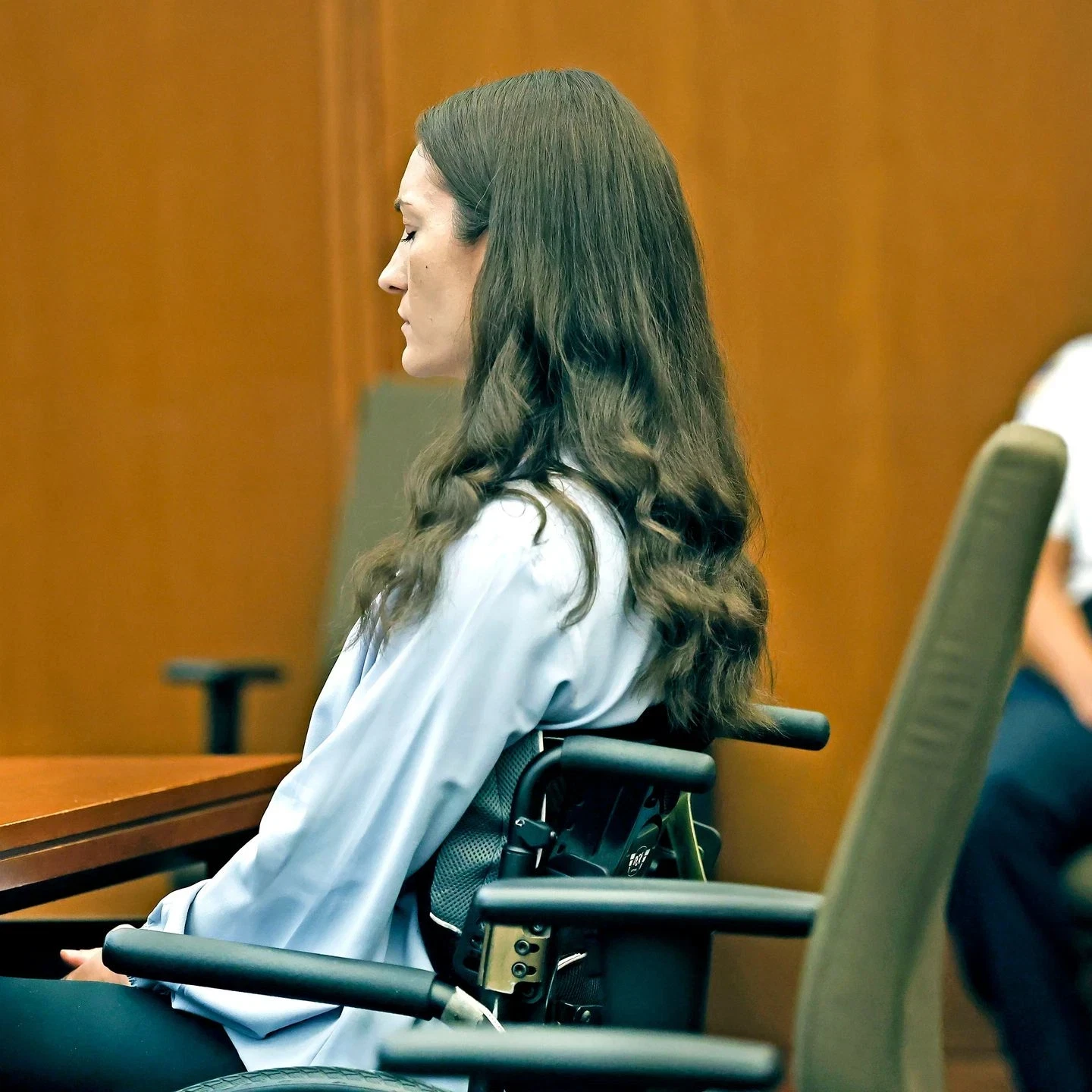
Patrick Clancy forgave his wife four days after the killings, writing that the "real Lindsay" was loving and caring and that he was not married to a monster. That message has shaped how advocates, clinicians and families talk about the case, because it forces a national conversation about whether courts recognize the difference between severe perinatal psychiatric crisis and calculated violence. The verdict in Plymouth is likely to be watched well beyond Massachusetts as hospitals, judges and juries confront how postpartum illness is identified, treated and judged when tragedy follows.
Sources
- [1]abcnews.com
- [2]newsday.com
- [3]wbur.org
- [4]plymouthda.com
- [5]bostonglobe.com
- [6]harvardstreet.org
- [7]postpartumva.org
- [8]newyorker.com
- [9]postpartum.net
- [10]cnn.com