Health
Lindsey Graham and Grant Wahl deaths highlight hidden aortic risks

Lindsey Graham’s death at 71 has put a common, age-linked aortic emergency back in the spotlight, while Grant Wahl’s death at 49 showed how a silent inherited aneurysm can strike much younger. Graham died Saturday, July 11, 2026, and a preliminary medical examiner finding attributed his death to an aortic dissection due to arteriosclerotic cardiovascular disease. The final death certificate is still pending.
An aortic dissection is a medical emergency in which a tear in the inner layer of the aorta lets blood split the artery wall. It can turn deadly quickly if blood escapes outside the artery. The condition is uncommon and is seen more often in men in their 60s and 70s, with high blood pressure among the leading risk factors.

Wahl’s death pointed to a different danger. He collapsed on December 9, 2022, while covering the World Cup in Qatar, and an autopsy later found that he died from a ruptured, undetected ascending aortic aneurysm with hemopericardium. That kind of rupture can stay silent until the moment it becomes an emergency, which is why family history matters so much.
The public health toll is not small. The Centers for Disease Control and Prevention says aortic aneurysms or aortic dissections caused 9,904 deaths in the United States in 2019, and about 59% of those deaths were among men. Smoking accounts for about 75% of abdominal aortic aneurysms, one reason screening targets older men with a smoking history.
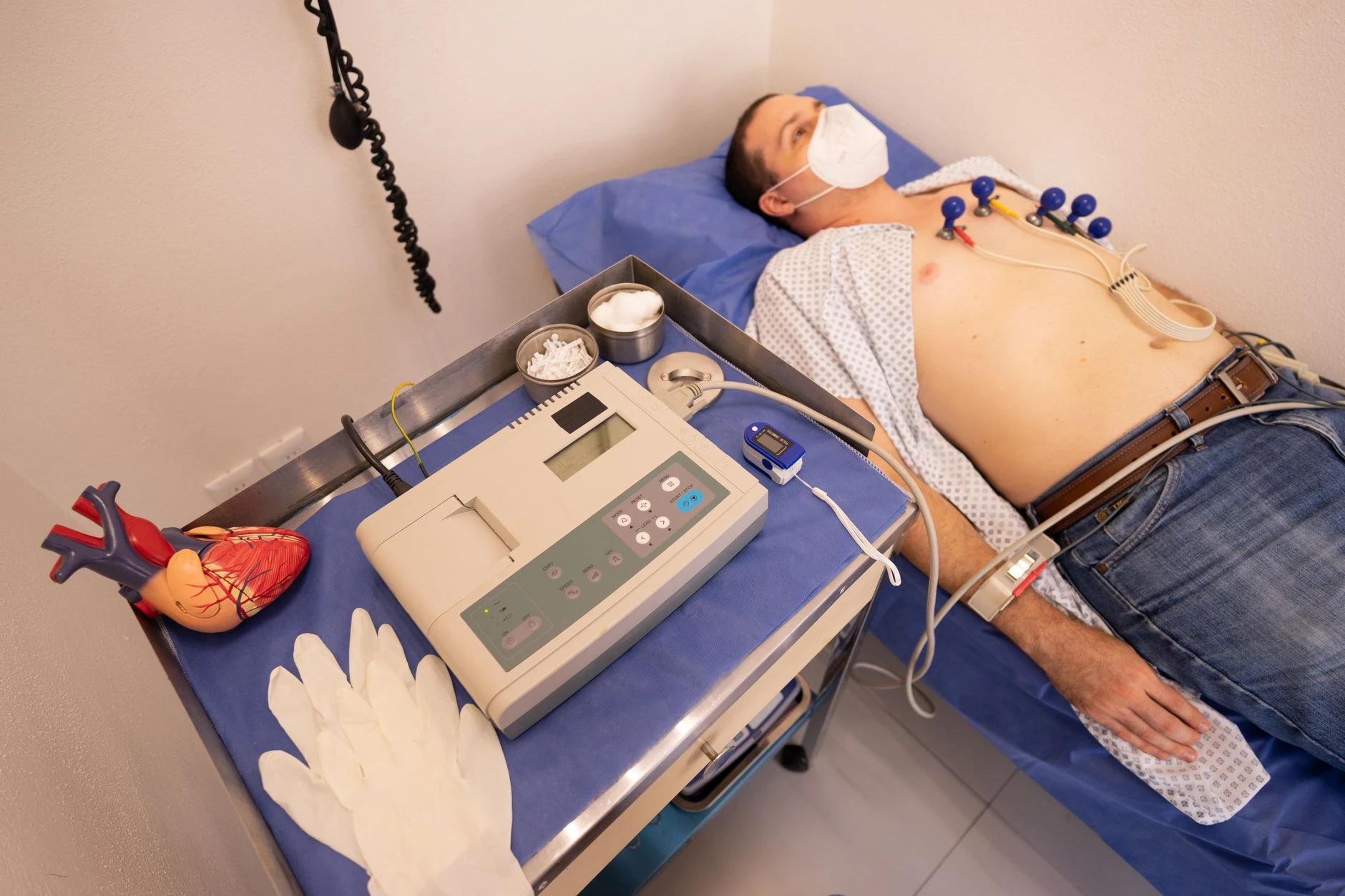
The U.S. Preventive Services Task Force recommends ultrasound screening for abdominal aortic aneurysm in men ages 65 to 75 who have ever smoked, even if they have no symptoms. That guidance is aimed at catching disease before rupture, when treatment can prevent a fatal bleed.
For thoracic aortic disease, the 2022 ACC/AHA aortic disease guideline goes further: it recommends genetic evaluation and family screening. When a disease-causing variant is not identified, the guideline recommends imaging at-risk biological relatives. That approach matters in cases like Wahl’s, where an aneurysm rupture at 49 is unusual enough to raise the possibility of inherited risk.

Taken together, the two deaths show the divide clinicians watch for: one aortic catastrophe that often tracks with age, hypertension, and atherosclerotic disease, and another that may run in families and remain hidden until a scan or a sudden collapse exposes it.
Sources
- [1]cbsnews.com
- [2]nbcnews.com
- [3]mayoclinic.org
- [4]abcnews.go.com
- [5]cdc.gov
- [6]heart.org
- [7]nhlbi.nih.gov
- [8]pmc.ncbi.nlm.nih.gov
- [9]jacc.org
- [10]thechristhospital.com