Politics
Lindsey Graham dies suddenly, leaving South Carolina Senate race in turmoil
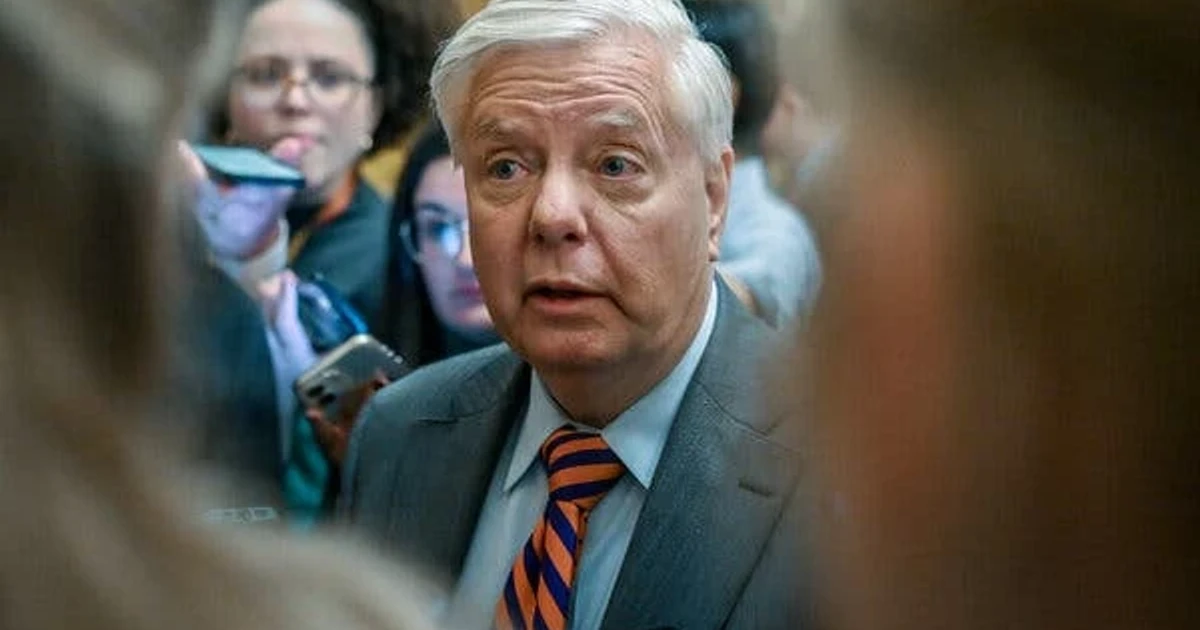
Lindsey Graham died Saturday, July 11, at 71 after what his office called a “brief and sudden illness,” leaving South Carolina with both a vacant U.S. Senate seat and a race that now has to be rebuilt before November 3. Graham had already won the Republican primary on June 9 and was set to face Democratic nominee Annie Andrews, a pediatrician, in the general election.
South Carolina law gives Gov. Henry McMaster the power to fill a Senate vacancy by appointment under Section 7-19-10 of the state code. The U.S. Senate says the Seventeenth Amendment lets states authorize governors to appoint replacements until a special election can be held or for the rest of the term, and South Carolina limits an appointee to serving only until January 3 after the next succeeding general election. McMaster now controls the first move, and the appointment will determine who occupies the seat while the ballot process catches up.
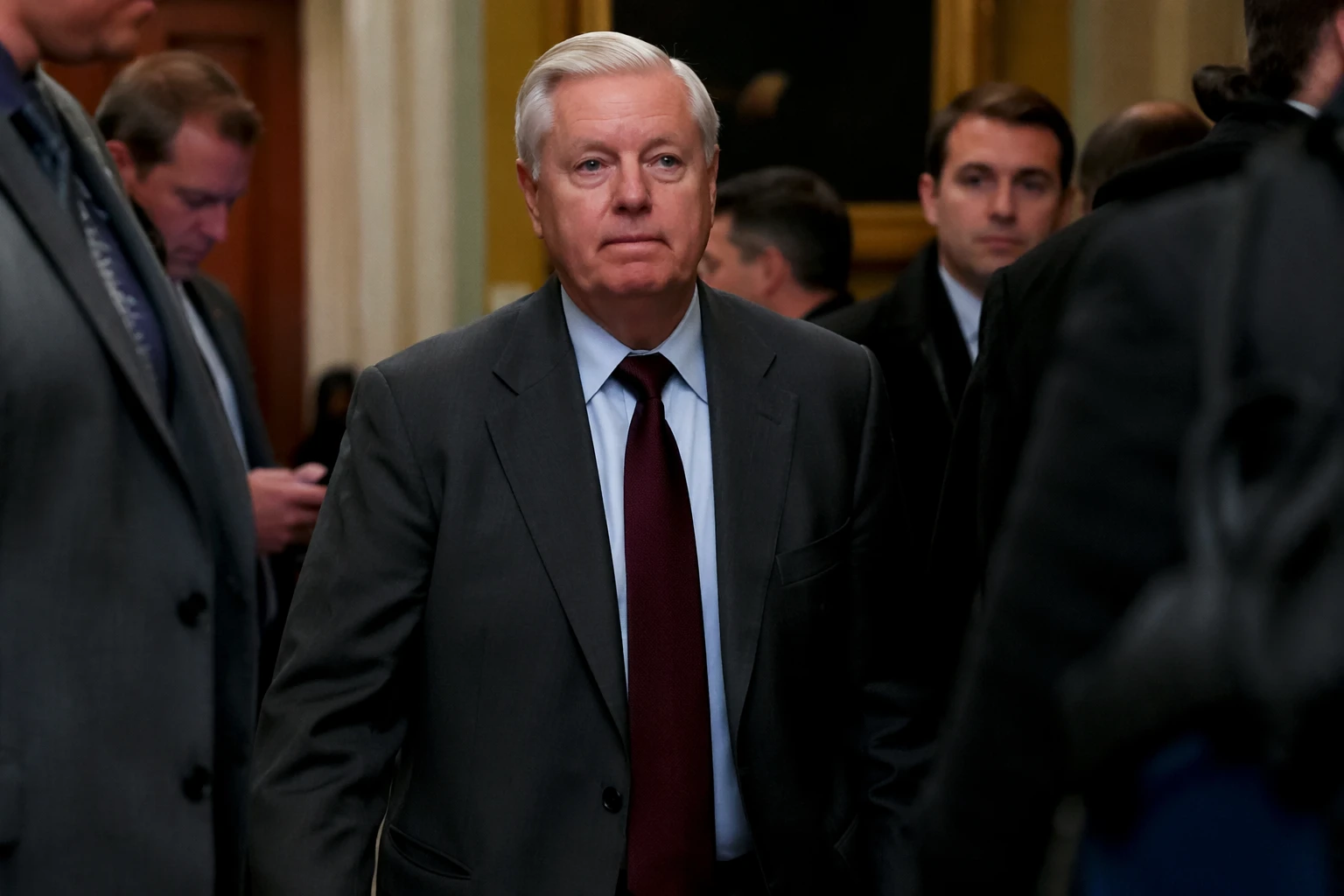
Because Graham had already secured the GOP nomination, his death also triggered a separate special-primary process to choose a replacement Republican nominee for the November ballot. South Carolina election law opens filing for a partisan vacancy at noon on the third Friday after the vacancy occurs and closes it seven days later, then sets the special primary for the second Tuesday after filing closes. That schedule points to filing in late July and a special primary in August, with a runoff if no candidate wins outright.
Names circulating in South Carolina included U.S. Rep. Nancy Mace and McMaster himself, although no appointment had been announced. The seat is considered safely Republican, so the party is not expected to lose control of it, but the vacancy still reshapes the 2026 calendar and forces candidates, party leaders and election officials into a compressed timeline.

The stakes extend beyond Columbia. South Carolina will be choosing its first new U.S. senator in 14 years, and the temporary appointee will step into a chamber where every seat affects the Senate’s balance and its internal power structure.
Sources
- [1]cbsnews.com
- [2]scstatehouse.gov
- [3]senate.gov
- [4]cnbc.com
- [5]wric.com
- [6]rollcall.com