Politics
Lindsey Graham wins South Carolina GOP primary, avoids runoff
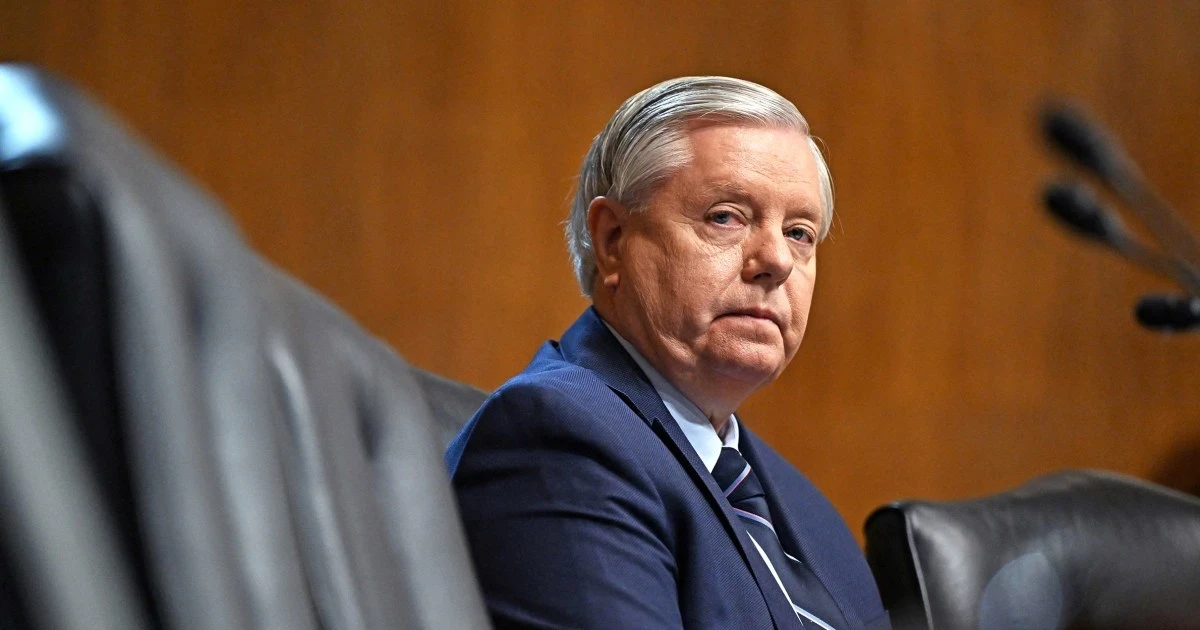
Lindsey Graham kept his Senate seat in the Republican primary Tuesday, finishing with enough support to avoid a runoff and giving South Carolina’s established GOP hierarchy another win in an era defined by internal party tests. Decision Desk HQ projected Graham at about 59.1% of the vote, a margin that cleared the majority threshold and ended the race before the June 23 runoff date.
The result was more than a personal victory. It was a measure of how much name recognition, donor support and late Republican endorsement still matter when an incumbent is forced to defend himself inside his own party. Graham, who first won the South Carolina Senate seat in 2002 and is seeking a fifth term, spent millions to secure the nomination and faced multiple challengers, with Greenville businessman Mark Lynch emerging as the strongest threat.

Lynch entered the contest as the leading self-funding conservative challenger and loaned his campaign $5 million, turning the race into a direct test of whether money alone could overcome a long-entrenched incumbent. Federal Election Commission records showed the Lynch committee carrying $5.05 million in debts and loans owed, underscoring the scale of the personal financial commitment behind the challenge.
Trump’s endorsement of Graham shortly before election day also shaped the race. South Carolina Republicans were voting in a broader primary season that included contests for governor and other high-profile offices, and the Senate race was one of the clearest gauges of President Donald Trump’s continued sway over the party’s voters in the state. Graham’s victory suggested that Trump’s backing, combined with established campaign infrastructure, still carries real weight even in a primary environment that has often punished party regulars.

NBC News projected Graham as the winner after a contest that drew sustained attention because of the senator’s long record of surviving intraparty opposition. Annie Andrews won the Democratic Senate primary and will face Graham in the general election set for November 3, 2026.

For Graham, the primary result preserved a candidacy built on longevity and tactical resilience. For South Carolina Republicans, it offered another reminder that in the Trump era, an incumbent can still beat back a well-financed challenge if the campaign can hold together donor muscle, institutional support and enough ideological loyalty to cross 50 percent.
Sources
- [1]nbcnews.com
- [2]votes.decisiondeskhq.com
- [3]fec.gov
- [4]usatoday.com
- [5]apnews.com
- [6]nytimes.com
- [7]scdailygazette.com
- [8]newsnationnow.com
- [9]ballotpedia.org