Politics
Lindsey Graham’s death highlights Senate age and succession concerns

Lindsey Graham died at 71 on July 11 after a “brief and sudden illness,” leaving South Carolina with an immediate Senate vacancy and putting fresh attention on an aging chamber that still had a 64.7-year median age at the start of the 119th Congress. Graham had just returned from a trip to Ukraine and was scheduled for a television appearance the next day, a sequence that made the loss especially abrupt for colleagues in Washington.
Graham’s office gave no public cause beyond the short statement on his illness. The suddenness matters because the Senate’s age profile remains unusually high even after a recent retreat from the upward trend that had characterized earlier Congresses. Pew Research Center found that the chamber’s median age fell to 64.7 at the start of the 119th Congress from 65.3 at the start of the previous one, but it is still a body in which longevity and continuity can quickly turn into fragility.
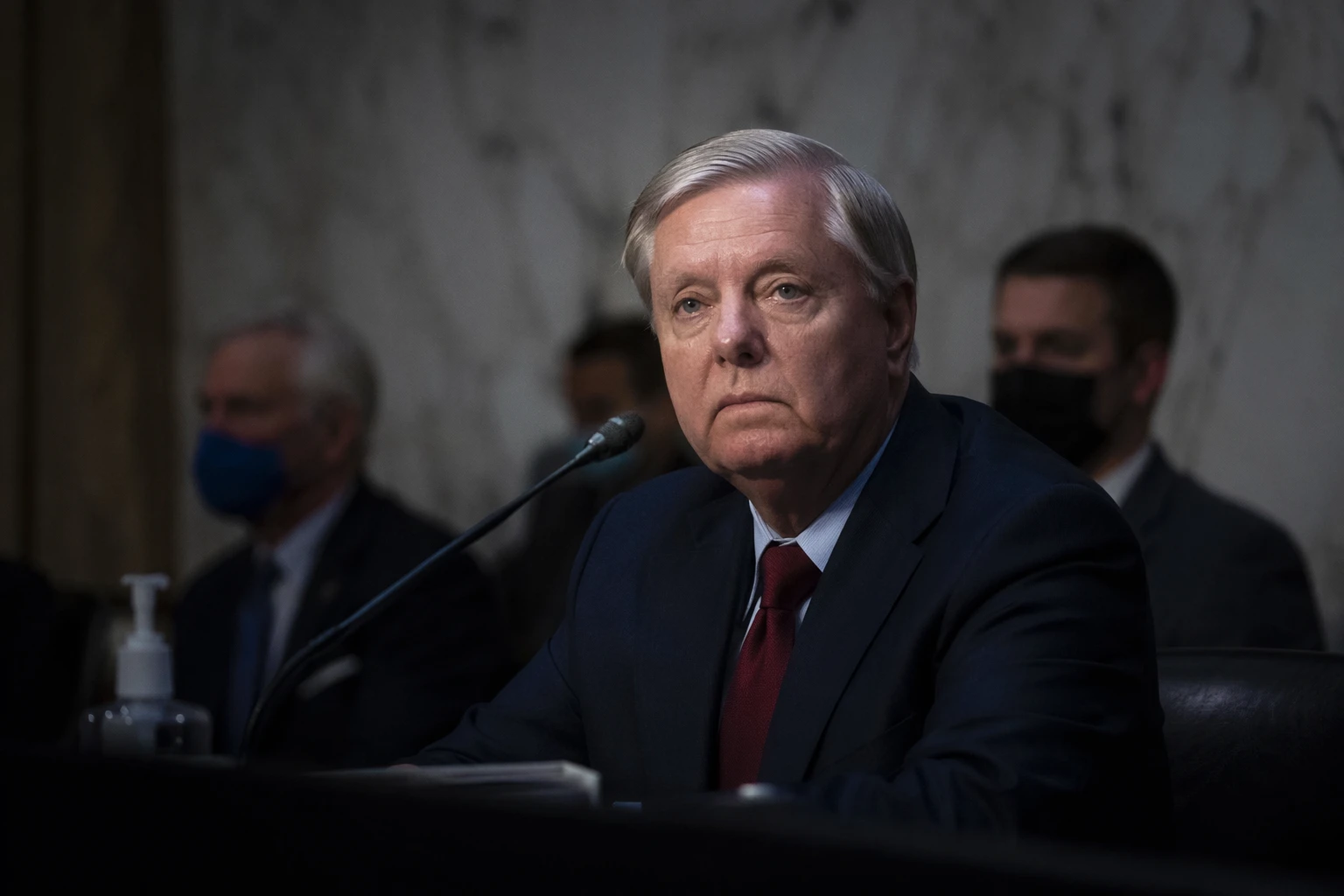
The extremes in the current Senate show how wide the spread remains. The Congressional Research Service identified Chuck Grassley of Iowa as the oldest senator in the 119th Congress at 91, while Jon Ossoff of Georgia was the youngest at 37. Graham, first elected to the House in 1994 and to the Senate in 2002, sat closer to the chamber’s center than to its edge on age alone. His death nonetheless exposed how dependent Congress remains on long-serving members whose seats carry procedural weight, seniority and institutional memory.
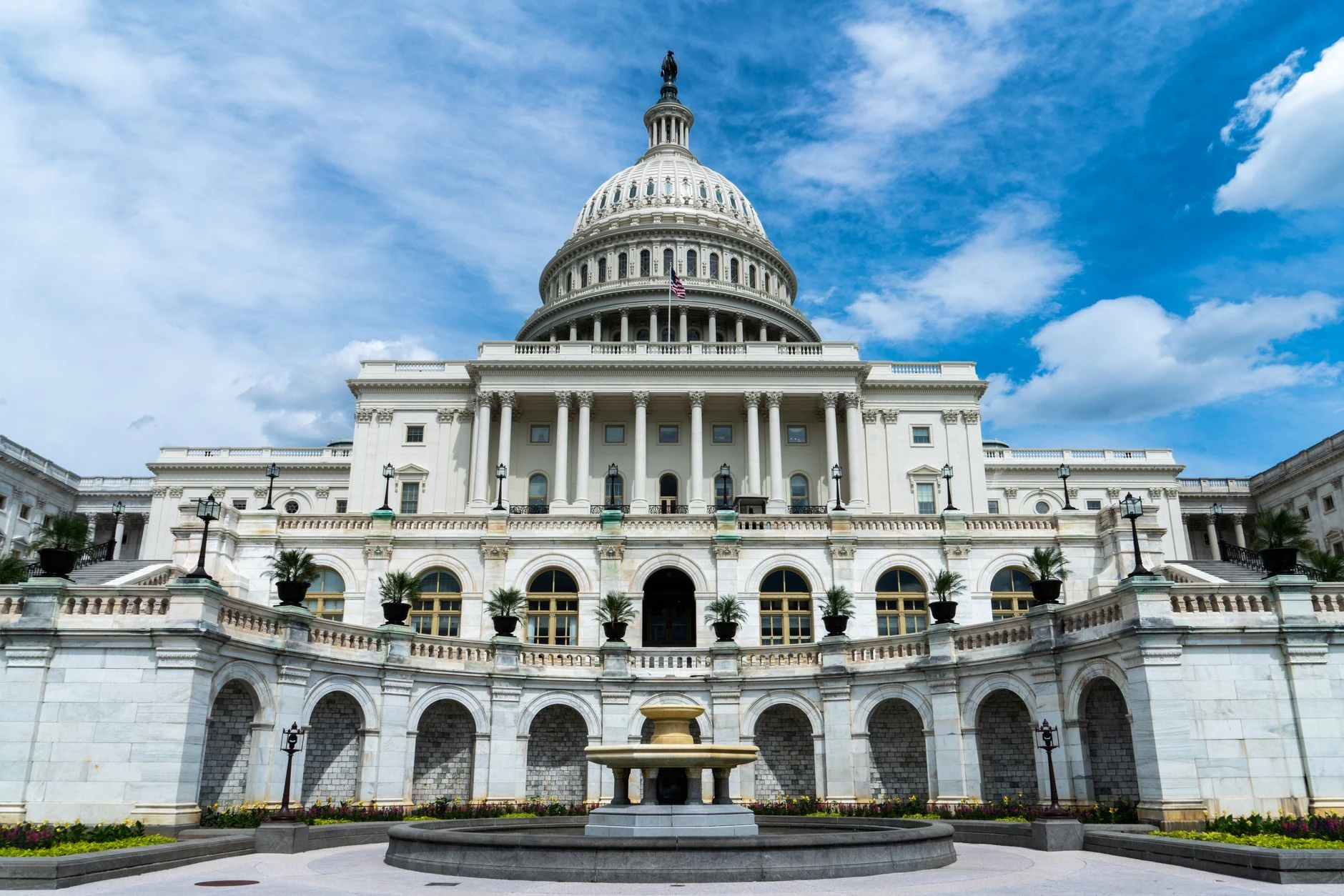
South Carolina now must move quickly to fill the seat. State law provides for a temporary gubernatorial appointment and then a special election process, giving Gov. Henry McMaster a central role in the first phase of succession and setting up a campaign to decide who will serve the remainder of Graham’s term. That sequence can preserve representation, but it also leaves a period in which committee assignments, regional advocacy and legislative continuity can shift with little warning.

Graham’s death prompted tributes from Republicans and other leaders, but the immediate political consequence is more concrete: another reminder that the Senate’s governing capacity depends not just on ideology or election results, but on the health and durability of the men and women who hold its seats.
Sources
- [1]nytimes.com
- [2]cnbc.com
- [3]pewresearch.org
- [4]congress.gov
- [5]ballotpedia.org
- [6]usatoday.com
- [7]usnews.com