Politics
Lindsey Graham’s struggle to win Black voters shaped South Carolina politics
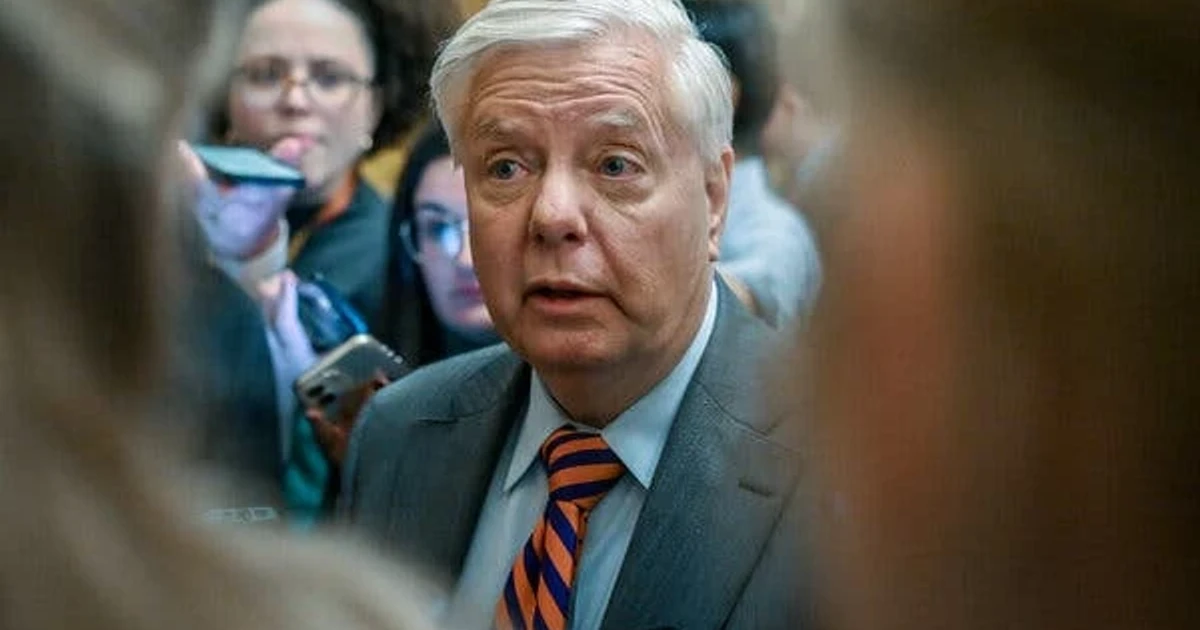
Lindsey Graham won the Republican primary for South Carolina’s U.S. Senate race on June 9, 2026, extending a political career that began when he first took office on January 3, 2003. His hold on the seat has long rested on a rare ability to keep personal ties even with political foes, yet Black voters never formed a durable base for him in a state where roughly 30% of residents are Black.
That gap became most visible in Graham’s 2020 reelection fight against Jaime Harrison, a Black Democrat who mounted one of the most closely watched Senate campaigns in modern South Carolina politics. Graham ultimately won, but the contest exposed the limits of a political style built on access, pragmatism and individual relationships. In October 2020, he drew backlash after saying Black people and other people of color could go anywhere in South Carolina if they were “conservative, not liberal,” a line that became a defining flashpoint in the race.
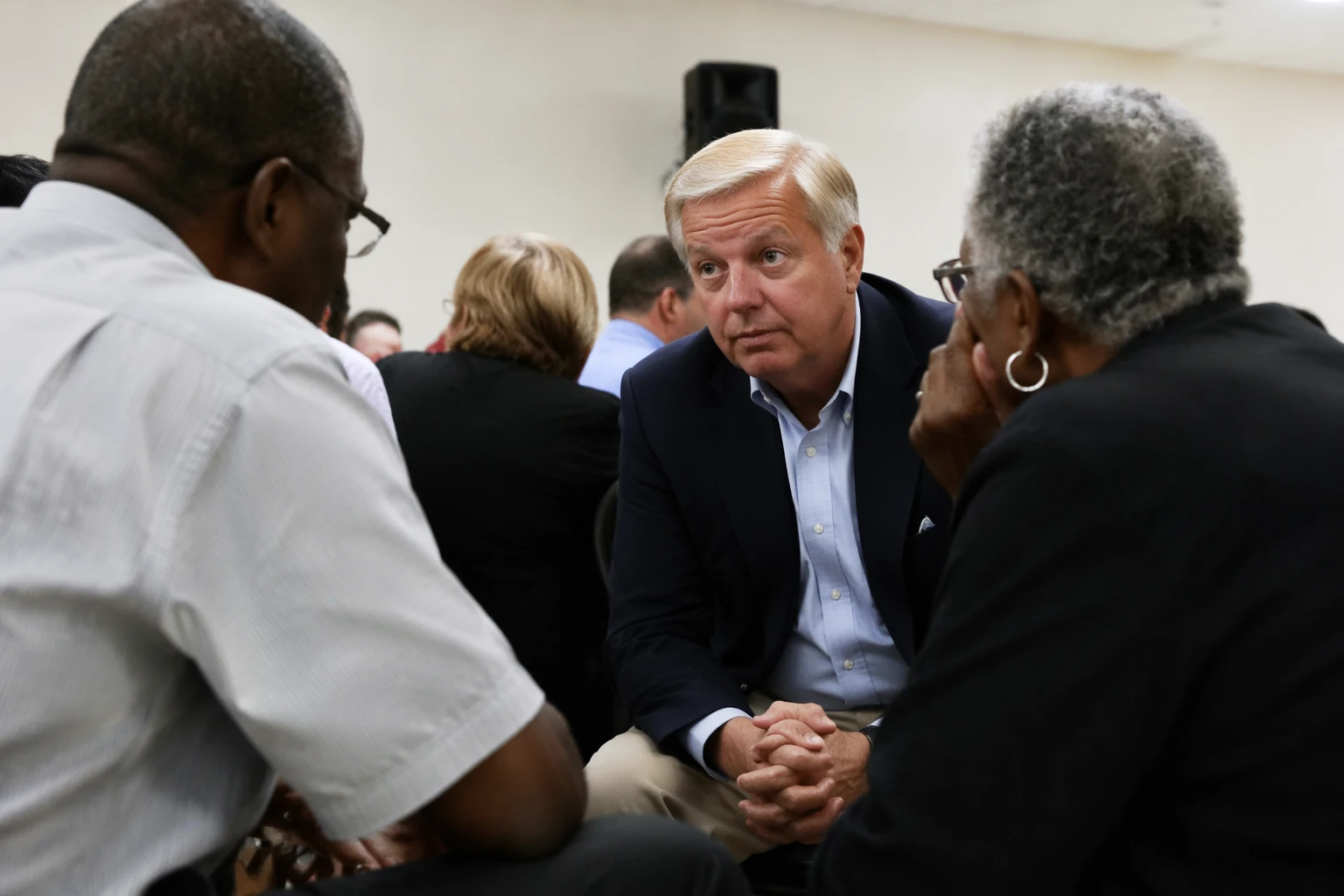
The remark landed during a campaign already framed by questions about policing, systemic racism and civil unrest, issues that forced Graham to defend his record before a state electorate still divided sharply by race. Even as Graham cultivated cross-party relationships over years in Washington, that form of transactional outreach did not translate into broad Black support at home. The result was a familiar pattern in South Carolina politics: a white Republican incumbent with deep institutional power, and a Black electorate that remained politically cohesive and largely outside his coalition.
South Carolina’s election records show how deeply rooted those divisions are. The South Carolina Election Commission’s database tracks election results and turnout statistics from 2008 through 2025, while voter-history records reach back to 1984 with county-level and precinct-level participation data for major elections. That long paper trail has made the state a useful measure of how race and partisanship have interacted across generations, not just in one campaign.

Graham’s struggle also sat inside a broader shift in the state’s political story. Black leaders such as Tim Scott and Jaime Harrison have brought renewed attention to the possibility, and the limits, of Black statewide power in a Republican-dominated state. Graham’s career shows how personal rapport can cross ideological and racial lines in private, while still falling short of building the kind of sustained Black support needed to reshape South Carolina’s coalition politics.
Sources
- [1]nytimes.com
- [2]thehill.com
- [3]usatoday.com
- [4]electionhistory.scvotes.gov
- [5]vrems.scvotes.sc.gov
- [6]apnews.com