Business
Lingering Power Outages After Ice Storm Pose Challenge for Virginia Communities
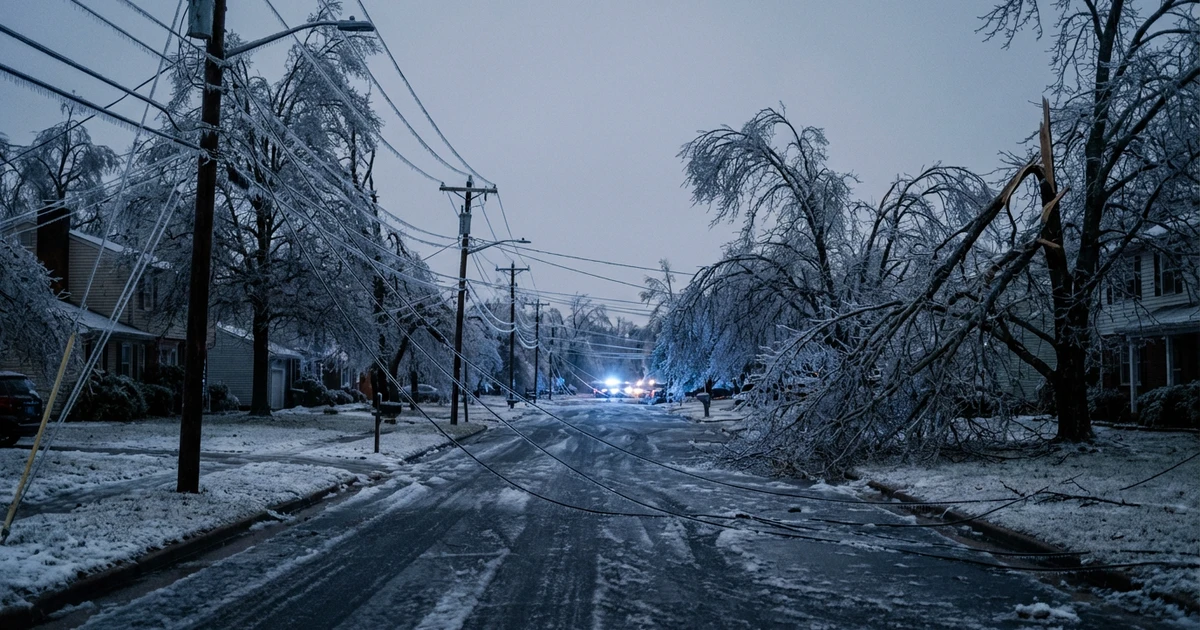
Virginia is bracing for a major ice storm that threatens not only widespread disruption but also the potential for long-lasting power outages—a scenario that could have far-reaching impacts on local communities, infrastructure, and emergency services. As utilities shift into storm preparation mode, residents are urged to understand the unique challenges that make power restoration after ice storms particularly complex.
Why Ice Storms Cause Prolonged Outages
Unlike thunderstorms or hurricanes, ice storms bring a distinctive set of hazards. When freezing rain accumulates on trees, power lines, and equipment, the added weight can lead to:
- Downed power lines from ice-laden tree branches snapping
- Damage to transformers and substations due to ice accumulation
- Blocked roadways from fallen trees, delaying repair crews
These factors combine to make restoration efforts more complicated and time-consuming. Crews must first ensure roads are passable before reaching and repairing damaged infrastructure, often in hazardous conditions.
Utilities Prepare for Prolonged Response
According to reports, Virginia power companies are now in storm prep mode, mobilizing personnel, staging equipment, and coordinating with state emergency agencies. The scale and duration of outages will depend on the storm’s severity and the extent of ice accumulation. Utilities warn that even with rapid deployment, restoration could take several days or more in hard-hit areas, especially rural or heavily wooded regions where access can be limited.
Community and Economic Impact
Long-lasting outages carry risks beyond the immediate discomfort of lost heat and lighting. Extended disruptions can:
- Jeopardize the safety of vulnerable populations, including the elderly and medically dependent
- Shut down businesses, impact local economies, and disrupt supply chains
- Increase demand on emergency shelters and first responders
- Complicate communication if cell towers lose backup power
Residents are urged to prepare by stocking up on essentials, charging devices, and having backup heating plans.
Restoration: Why It Takes Time
Experts note that the restoration process after an ice storm is often slower than after other weather events. Each repair site may require tree removal or specialized equipment. Utilities must prioritize critical infrastructure such as hospitals and water treatment plants, which means some neighborhoods may wait longer for service to return. Safety protocols also dictate that crews work methodically, especially when dealing with live wires and unstable trees.
Looking Ahead: Building Resilience
The increased frequency of severe weather events underscores the need for ongoing investment in grid resilience. Strategies such as undergrounding power lines, expanding tree-trimming programs, and upgrading equipment can help mitigate future outage risks. For now, both utilities and residents are urged to stay informed, heed official advisories, and prepare for the possibility of extended power loss.
For updates and outage maps, visit your local power company’s website or the Virginia Department of Emergency Management portal.