Business
Lingering Power Outages Loom Large After Major Storm: What’s at Stake
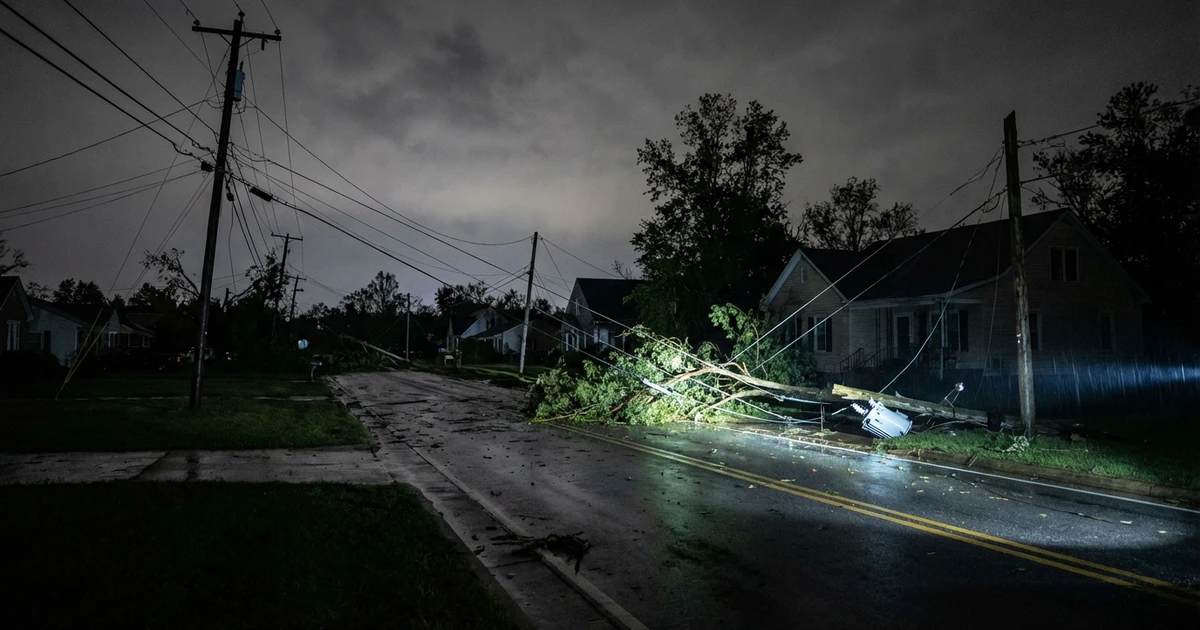
As a powerful ice storm threatens Virginia and surrounding areas, the risk of long-lasting power outages is raising alarms among residents, officials, and utility companies. Preparations are underway, but the potential consequences for communities could be significant if the grid is down for days or even weeks.
The Coming Storm: Ice, Wind, and Widespread Risk
Forecasters warn that the incoming storm system brings a dangerous mix of freezing rain, sleet, and strong winds—conditions that are notorious for toppling trees and damaging above-ground power lines. According to utility providers and emergency services, the potential for widespread outages is high, especially in regions with older infrastructure and dense tree coverage. With ice accumulation, even a quarter-inch on power lines or branches can lead to catastrophic failures.
Why Extended Outages Matter
Short-term blackouts are an inconvenience, but experts say that outages persisting for multiple days can escalate into major public safety and health emergencies. The Washington Post notes several key concerns:
- Heating: Many homes rely on electric heating. In sub-freezing temperatures, prolonged outages can lead to dangerously cold indoor conditions, increasing the risk of hypothermia, especially among vulnerable populations like the elderly and infants.
- Food and Water: Without electricity, refrigerators and freezers stop working, risking food spoilage. Well pumps may also fail, cutting off access to clean water in rural communities.
- Medical Needs: Those who depend on powered medical devices or refrigerated medications face life-threatening challenges during extended outages.
- Communication and Emergency Response: With cell towers and internet infrastructure reliant on backup power, communications can break down if outages persist, hampering emergency response efforts.
Power Companies Prepare, but Challenges Persist
Utility providers in Virginia are acutely aware of the threat. The Washington Post reports that companies are in “storm prep mode,” staging extra repair crews, pre-positioning equipment, and coordinating with state and local emergency agencies. They are urging residents to charge devices, prepare emergency kits, and have backup heating sources ready.
Despite these efforts, restoring power after a major ice storm can be slow. Linemen often must wait for roads to be cleared of fallen trees and ice, and repairs to snapped lines or damaged transformers can take days—especially if infrastructure is severely impacted across wide areas.
Community and Individual Readiness
Officials stress the importance of personal preparedness. Residents are encouraged to:
- Stock up on non-perishable food and bottled water
- Ensure flashlights and batteries are accessible
- Refill necessary prescriptions
- Establish check-in plans with neighbors and family, especially for those with special needs
Community centers and shelters are also preparing to serve as warming locations if outages persist, but capacity may be limited in widespread events.
Long-Term Implications and Resilience
The increasing frequency of severe storms has sparked debate about the resilience of the power grid. While utilities are investing in tree trimming, underground lines, and smart grid technology, experts say much of the region remains vulnerable to weather-driven outages. The Washington Post highlights the importance of modernizing infrastructure and improving emergency response protocols to mitigate future risks.
Looking Ahead
As Virginia braces for the storm, both utility crews and residents are on high alert. The next few days will test not only the physical infrastructure but the preparedness and resilience of entire communities. For now, officials urge vigilance, caution, and readiness for what could be a challenging aftermath.