Business
LIRR Strike Brings Systemwide Service to a Standstill
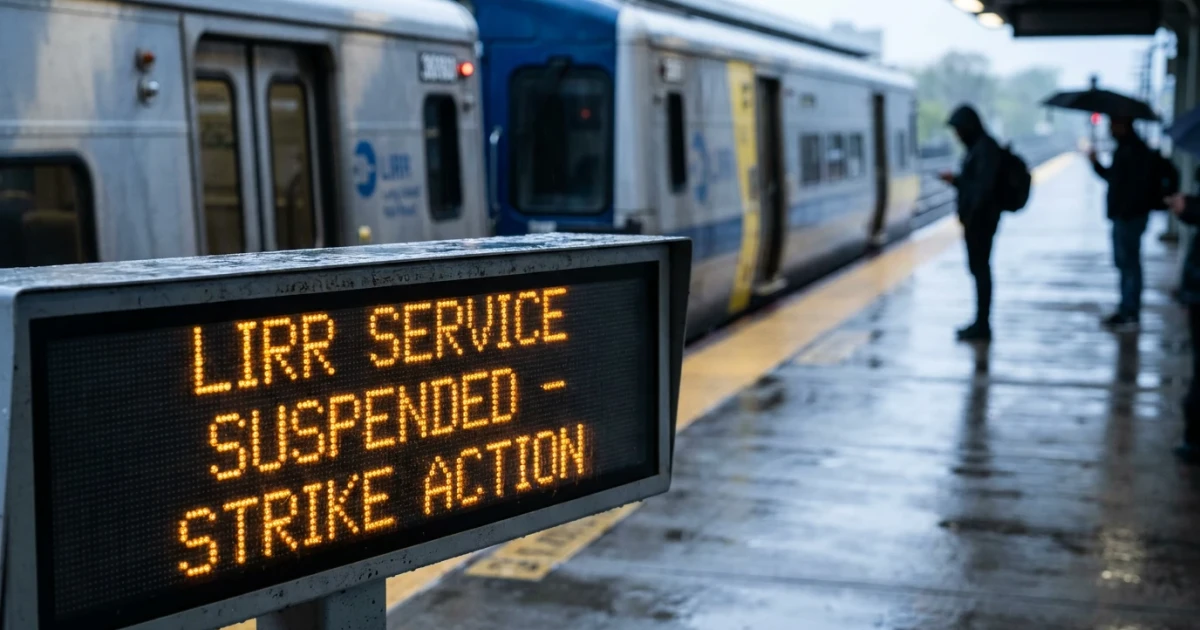
Long Island Rail Road (LIRR) service has ground to a halt across the region as a major strike by rail workers entered its first day, leaving hundreds of thousands of commuters searching for alternatives and highlighting the critical role the railroad plays in the New York City metropolitan area.
Negotiations Reach a Stalemate
According to News12 Long Island, both the Metropolitan Transportation Authority (MTA) and union representatives confirmed that contract talks have stalled, with no immediate breakthrough in sight. The impasse has resulted in a complete shutdown of LIRR service, impacting all lines and stations.
The LIRR, the nation’s busiest commuter railroad, serves roughly 200,000 daily riders during the workweek. With no trains running, the disruption is being felt by workers, students, and businesses throughout the region.
Commuter Impact and Alternative Options
The timing of the strike leaves many commuters with limited options. The MTA’s official service advisories page offers updates on the situation and lists alternative transportation options, but these services are expected to be stretched thin due to the volume of displaced riders.
- Bus lines, ride-shares, and carpooling are being promoted as stopgap measures.
- Traffic congestion is expected to spike on major highways into New York City.
- Some ferry routes are adding extra departures to accommodate demand.
For many, however, these alternatives cannot match the capacity or convenience of the LIRR. Past analyses by the NYC Department of City Planning have shown that even short-term rail disruptions lead to increased travel times, higher transportation costs, and lost productivity for the region’s workforce.
Economic and Regional Ramifications
The disruption is not just a logistical headache for commuters. Data from the Bureau of Labor Statistics highlights that major transit work stoppages can have ripple effects on local businesses, especially those dependent on regular commuter traffic. Retailers, restaurants, and service providers in Manhattan and across Long Island are bracing for reduced foot traffic and potential revenue losses as the strike continues.
Historically, strikes involving the LIRR have been rare but impactful. According to NYSDOT passenger rail reports, the railroad’s reliability is a cornerstone of the region’s economy, supporting not just daily commutes but also special events, tourism, and freight operations.
What Comes Next?
With negotiations at a standstill and no clear timeline for resolution, the region remains in limbo. The MTA has urged riders to stay informed via official channels and prepare for extended disruptions. Commuters and businesses alike are hoping for a swift agreement that will restore service and minimize the ongoing impact.
As the situation develops, all eyes will remain on the bargaining table, where the outcome will shape not only the immediate fate of LIRR riders but also set the tone for future labor relations and transit resilience in the New York area.