Business
LIRR Strike Highlights MTA’s High Compensation
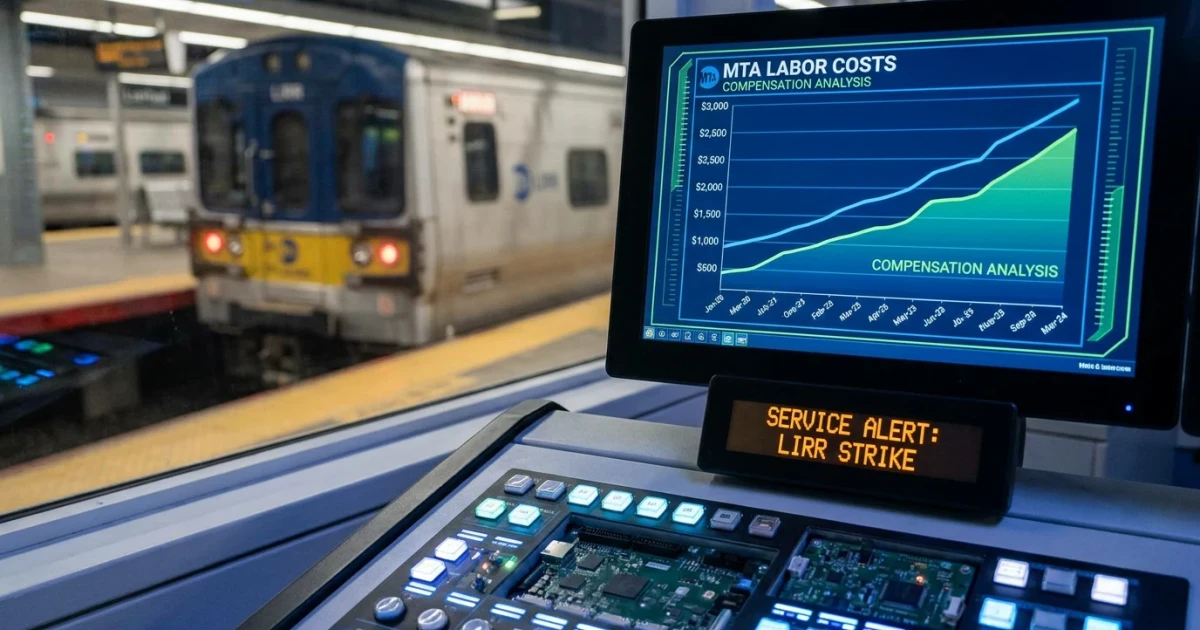
Long Island Rail Road (LIRR) workers’ recent strike has reignited public debate over the high compensation packages and labor costs at the Metropolitan Transportation Authority (MTA). The event, covered by Gothamist, underscores both the financial rewards of working for the agency and the broader implications for New York’s transit system and budget.
Striking for Raises and Better Terms
LIRR employees staged a walkout demanding higher wages and improved benefits, a move that put a spotlight on labor negotiations at one of the nation’s busiest commuter railroads. The strike disrupted service for thousands of daily riders and brought attention to the ongoing struggle between MTA management and its workforce over compensation and contract terms.
High Pay and Overtime: A Closer Look
- LIRR workers are among the best-compensated transit employees in the country, with many earning substantial base salaries plus overtime.
- According to New York Open Data, numerous LIRR employees receive total annual compensation well above six figures, with overtime often surpassing base pay.
- Analysis from SeeThroughNY shows that MTA payrolls for 2023 again placed LIRR staff near the top in terms of total earnings, reflecting both contractual raises and persistent overtime costs.
- The MTA’s labor expenses are detailed in official financial reports, which show that wage costs and benefits constitute a significant portion of the agency’s budget.
Labor Agreements and Negotiations
The strike coincided with contract negotiations between the MTA and LIRR unions. Workers advocated for raises, citing rising living costs and demanding improved work conditions. The MTA, meanwhile, sought to balance these demands against mounting fiscal pressures and the need to maintain affordable service for commuters.
As reported by Gothamist, the deal reached after the strike includes scheduled pay increases, but the exact terms and projected financial impact are yet to be finalized. The agency’s labor agreements document these ongoing negotiations and detail the wage schedules and benefits secured by LIRR unions.
Comparing Industry Compensation
- Data from the Bureau of Labor Statistics confirms that rail transportation workers, including LIRR staff, consistently earn higher average wages compared to other transit sectors.
- National analysis, such as the GAO report on commuter rail labor costs, highlights the role of strong union bargaining and overtime provisions in driving up compensation.
Implications for Riders and Taxpayers
The cost of maintaining high compensation levels for LIRR employees remains a contentious issue. While workers argue these wages are justified by the demands and risks of the job, critics point to rising fares and budget deficits as evidence of unsustainable labor expenses. The strike, and the subsequent deal, serve as reminders of the delicate balance between supporting transit workers and managing public resources.
Key Takeaways for New York
- LIRR employee compensation continues to outpace most public sector jobs, putting pressure on MTA finances.
- Labor actions, such as strikes, regularly lead to wage increases and renewed scrutiny of overtime practices.
- Future contract negotiations will likely focus on controlling costs while maintaining service quality.
As New York’s transit system faces ongoing challenges—from budget shortfalls to infrastructure demands—the conversation around MTA compensation and labor relations remains central. The LIRR strike is a reminder that the agency’s workforce is both its greatest asset and a significant financial responsibility.