Business
LIRR Strike Resolution Delivers Raises Without Work Rule Changes
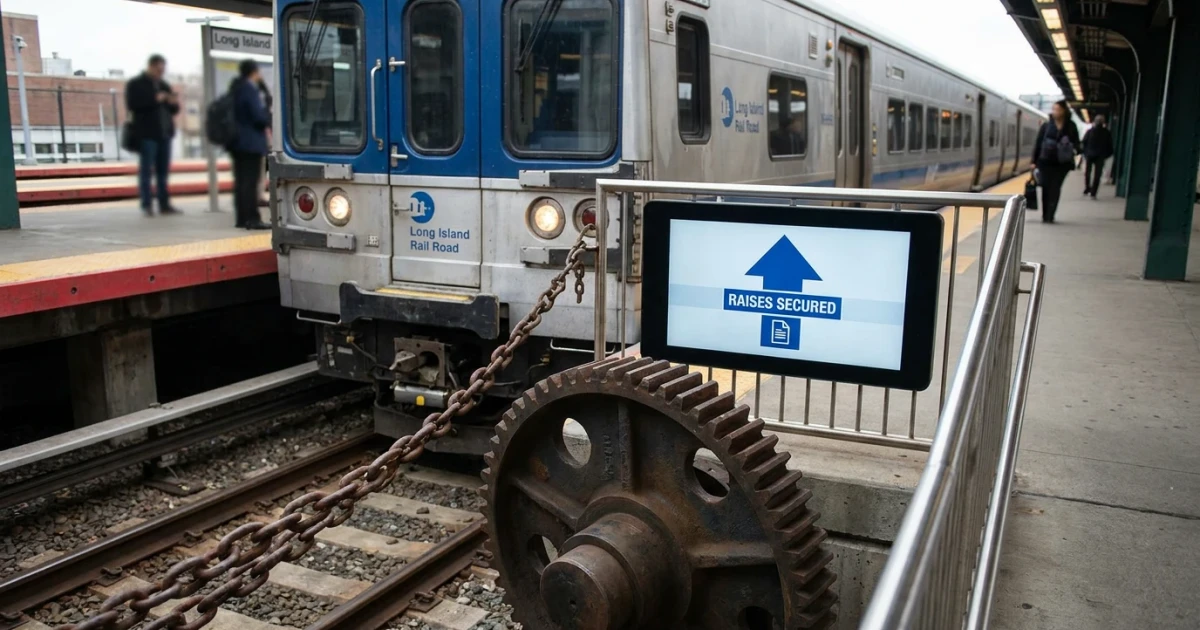
Long Island Rail Road (LIRR) service has resumed after a disruptive strike ended with a new labor agreement granting workers substantial wage increases but failing to address longstanding work rules that many experts say drive up costs. The deal, reached late Thursday, brings an end to days of halted train service and commuter frustration but leaves unresolved some of the most contested issues in LIRR operations.
Agreement Ends Strike and Restores Service
The strike, which disrupted commutes for thousands across the region, concluded after LIRR management and union leaders reached a new contract. According to Gothamist, the agreement includes solid raises for workers, reflecting union demands for higher pay after years of negotiations and work stoppages. Photos of picket lines and halted trains made clear the strike’s impact on daily life in the New York metropolitan area.
The settlement quickly restored service, much to the relief of riders dependent on the hundreds of thousands who rely on LIRR annually. However, the underlying structure of LIRR's workforce and operating rules remains unchanged.
Wage Increases Secured for Workers
The newly ratified contract grants LIRR employees a series of wage increases over the coming years. While exact percentage gains were not detailed in the initial reporting, the raises are described as significant compared to previous agreements. These increases follow a national trend of rising compensation in the rail transportation industry, where workers have sought to keep pace with inflation and the cost of living.
- The new deal was reached after days of halted service and public pressure to resolve the dispute.
- Wages for LIRR workers will rise in line with, or above, recent MTA collective bargaining agreements.
- LIRR labor costs already comprise a substantial portion of the railroad’s annual expenses, as detailed in MTA financial reports.
While the raises were welcomed by union members and ended the service disruption, they also drew attention to the broader issue of labor spending at the LIRR. Recent analyses, such as the Empire Center’s LIRR Overtime 2022 report, have highlighted the railroad’s high personnel costs—driven by both base pay and overtime—relative to other commuter systems nationwide.
Costly Work Rules Remain Unchanged
Despite hopes from some policymakers and watchdog organizations, the new contract does not include reforms to LIRR’s costly work rules. These rules, which govern everything from crew assignments to overtime eligibility, have long been criticized for inflating costs and reducing operational flexibility.
Gothamist reports that union resistance and the need to quickly restore service meant negotiations focused on pay, not structural reforms. This mirrors longstanding challenges documented in the 2021 LIRR Work Rules Report, which found that the railroad’s labor framework leads to higher staffing levels and overtime compared to peer agencies.
- LIRR’s work rules have been linked to above-average labor costs, as detailed in a Government Accountability Office report on commuter rail expenses.
- Calls for reform have persisted for years, with little movement despite mounting budget pressures.
Commuter Impact and Ongoing Challenges
For the region’s commuters, the strike exposed the fragility of the system—and the complex dynamics between labor, management, and public interest. While most riders welcomed the return of normal service, questions remain about the long-term sustainability of LIRR’s cost structure. With rising labor costs and no changes to work rules, the railroad faces continued fiscal challenges and potential budget shortfalls.
Looking Ahead
The conclusion of the strike marks a short-term victory for LIRR workers and a reprieve for passengers, but the underlying drivers of high costs remain. As the MTA and LIRR plan for the future, attention is likely to return to the unresolved issue of work rule reform—and whether meaningful changes can be achieved without further labor unrest.