Business
LIRR Strike Threatens Major Disruptions for New York Commuters
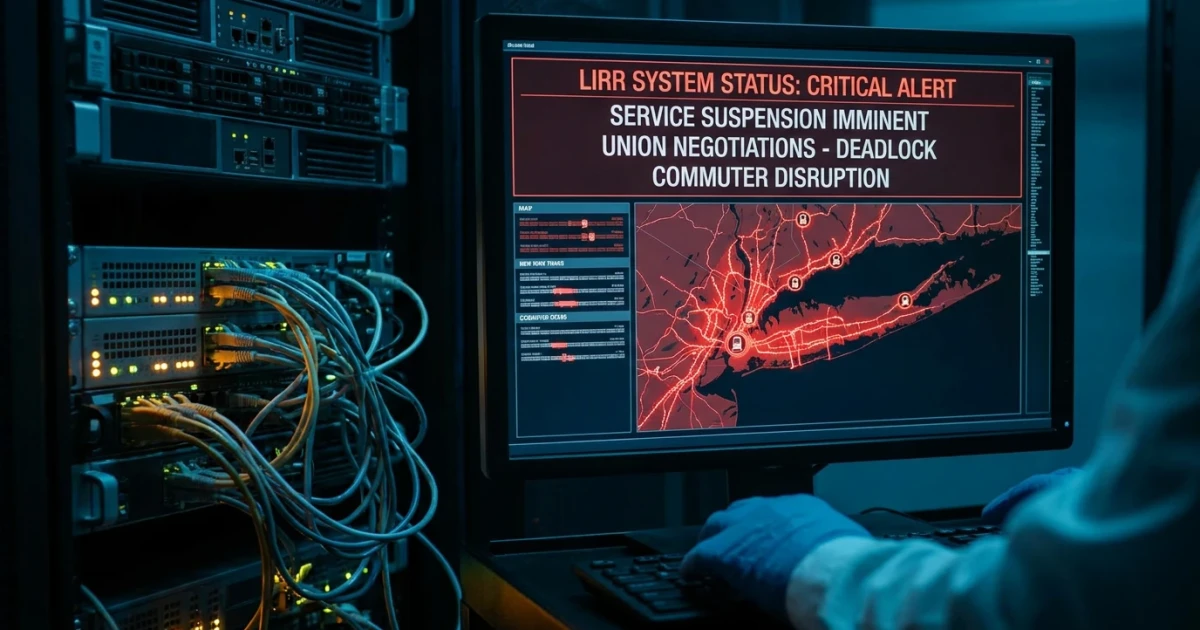
New York commuters are bracing for widespread disruptions as the Long Island Rail Road (LIRR) unions and the Metropolitan Transportation Authority (MTA) prepare to resume critical negotiations on Monday morning. The potential strike, reported by The New York Times, could halt a lifeline for tens of thousands traveling daily between Long Island and Manhattan, threatening to upend routines and strain the city’s transit infrastructure.
Commuters Prepare for a Difficult Week
According to official MTA ridership statistics, the LIRR serves nearly 200,000 passengers on a typical weekday, making it the nation’s busiest commuter rail line. A strike could force many riders to seek alternative ways into the city, including crowded subway lines, buses, or highways, potentially leading to longer commute times and increased congestion.
- LIRR transports over 70 million passengers annually, according to MTA data.
- The majority of LIRR riders commute to Manhattan for work, with Bureau of Labor Statistics data showing over 60% rely on public transit for daily travel.
- Alternate transit routes, including express buses and carpooling, are expected to see a surge if the strike proceeds.
Negotiations Resume Amid Tensions
The New York Times reported that union leaders and MTA officials are set to meet Monday morning in a renewed effort to resolve disputes over pay, benefits, and scheduling. Talks have stalled in recent weeks, with union representatives citing stagnant wages and demanding improved working conditions. MTA officials, meanwhile, have emphasized budget constraints and the need to maintain service reliability.
While both sides have expressed a desire to avoid a work stoppage, no agreement has been reached. The looming deadline has sparked anxiety among commuters, local businesses, and city officials, who warn of cascading effects across the region if trains stop running.
Potential Impact on New York City
A strike would not only inconvenience individual riders but could have broader economic repercussions. According to a NYC Office of Management and Budget report, a prolonged LIRR shutdown could cost the city tens of millions of dollars in lost productivity and increased transportation expenses. The ripple effects could extend to:
- Reduced access to jobs and services for Long Island and Queens residents
- Greater demand on subway lines, potentially causing overcrowding and delays
- Increased road congestion and longer travel times, as commuters turn to personal vehicles
- Potential negative impact on tourism and retail activity in Manhattan
Legal and Regulatory Context
The LIRR strike threat comes amid complex labor negotiations governed by federal regulations. The National Labor Relations Board has previously overseen disputes between unions and MTA, with case files documenting the history of labor actions and resolutions. The LIRR’s status as a vital public utility further complicates matters, as state and federal officials weigh the balance between workers’ rights and essential service continuity.
Alternate Transportation Plans
In anticipation of a possible strike, the MTA and city agencies are urging commuters to plan ahead. Emergency measures include increased bus service, carpool incentives, and expanded park-and-ride options. The New York State Department of Transportation is coordinating with local governments to monitor traffic and ensure public safety.
Looking Ahead
As negotiations resume, New Yorkers remain on edge, hoping for a resolution that avoids widespread disruption. The outcome will hinge on whether union and MTA leaders can bridge their differences and keep trains moving. For now, city officials and transit agencies are preparing contingency plans, while commuters weigh their options and await updates on the fate of the LIRR.
With the stakes high and the city’s transit network under pressure, the coming days will prove critical for the region’s mobility and economic stability.